

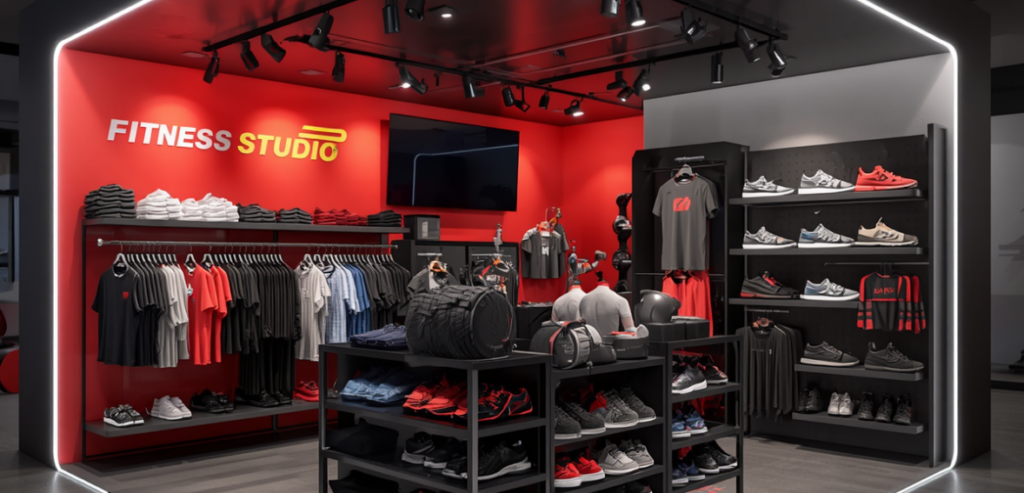
Today, running a successful fitness center involves more than booking classes and greeting clients. A modern studio integrates brand experience during and after workouts. Grip socks, yoga mats, branded apparel, water bottles, resistance bands, supplements, and recovery products. Boutique studios can profit from retail. While retail drives revenue and brand loyalty, it can cause operational issues due to mismanaged inventory. Many fitness studios have uneven stock counts, unlogged manual updates, lost inventory, misplaced merchandise, and staff difficulty during busy times. This explains why retail management systems integrated with studio merchandise POS systems help streamline everyday studio operations.
The demand for streamlined retail operations continues to grow because clients now expect convenience. They want to purchase products immediately after class without waiting for manual checkout processes or discovering later that the item they purchased was actually out of stock. A disconnected inventory system damages trust, creates unnecessary administrative work, and limits growth potential. Studios that learn to manage retail sales strategically are positioning themselves for long-term profitability while improving the client experience.
Why Studio Retail Sales Matter More Than Ever

Boutique studios have become retailers by integrating into the client journey. Examples include the yoga client who forgot grip socks, the Pilates client who wants to purchase branded apparel, and the spin client who is looking for a new water bottle. These clients represent high value because they are the studio’s customers. Unlike traditional retailers, who are constantly looking for and courting new customers, fitness studios build a reliable, trusting client base. They create a valuable opportunity to increase customer value because of their relatively passive, self-selling nature.
Strategic retailing creates an additional income stream for studios to balance the seasonal nature of client memberships. Merchandise sales can sustain revenue in off-peak times. Branding is critical to retail strategy. Products create an outside-of-studio marketing platform to increase brand awareness. Hoodies and water bottles create retail revenue and a passive marketing opportunity that makes sales to new customers.
The challenge, however, is maintaining operational clarity while managing these sales. Many studios begin with simple spreadsheets or manual tracking methods that eventually become impossible to maintain accurately. As product offerings grow, confusion spreads among staff members regarding inventory counts, reorder timing, and product availability. This operational friction often discourages studios from expanding their retail strategy even when demand exists.
The Hidden Costs of Inventory Confusion
Inventory confusion affects far more than product organization. It directly impacts profitability, customer satisfaction, and staff efficiency. When studios operate without an integrated studio merchandise POS system, errors become increasingly common. A front desk employee may accidentally sell the last available item without realizing it was already reserved online. Another staff member may reorder products too late because the current inventory count was inaccurate. Over time, these small mistakes compound into larger operational problems that reduce revenue opportunities.
Inventory discrepancies create avoidable additional stress during peak studio hours. There is already a huge strain on staff members from managing and checking in clients, answering questions, handling schedules, and managing inventory processes. This balance places a huge burden on staff members, resulting in lengthy wait times, inconvenient and inaccurate transactions, and reduced satisfaction. Customers who repeatedly run into purchasing roadblocks eventually stop purchasing entirely. This risk especially impacts the studio’s potential for retail growth.
Another issue that arises from unintegrated inventory is the strain on financial reporting. Studio owners need accurate reporting to understand the complete picture, e.g., the highest-margin products, slow movers, and purchases influenced by seasonal trends. Without proper financial reporting, purchases are made by guesswork, resulting in strained cash flow from slow-moving inventory and frustrated customers due to insufficient inventory to support the studio.
How a Studio Merchandise POS Simplifies Retail Operations
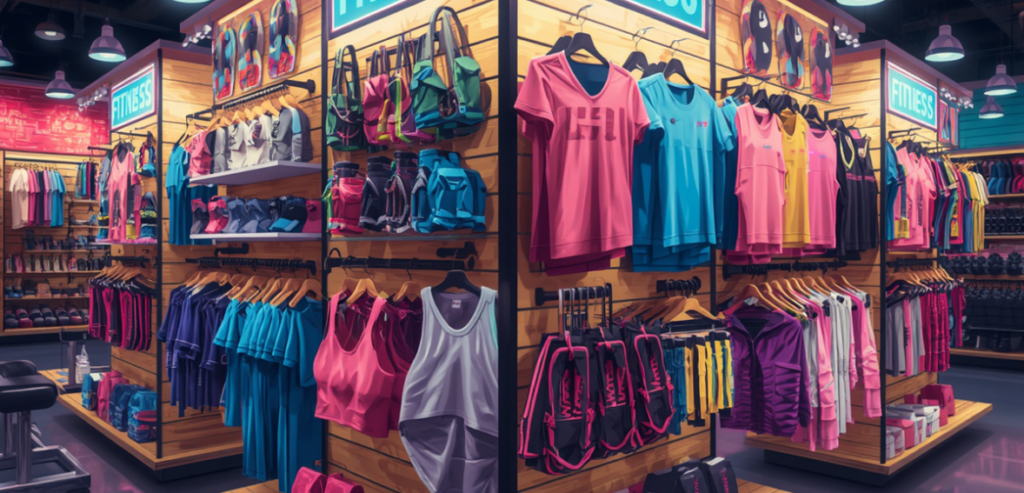
A modern studio merchandise POS system creates a centralized environment where retail sales, inventory tracking, payment processing, and reporting work together seamlessly. Instead of relying on separate spreadsheets or disconnected software, studios can monitor every product movement in real time. This significantly reduces human error while improving operational efficiency across the business.
The primary benefit of an integrated system is automatic inventory syncing. After each sale, the inventory number adjusts instantly. This system eliminates overselling and gives staff greater visibility when checking stock levels. Studio owners receive automated messages when stocks dip to their reorder levels, preventing stockouts.
Integrated systems also shorten client wait times. Clients want to make purchases after classes, and sales happen very quickly, so an effective system keeps staff moving and minimizes line congestion. Many systems also offer mobile checkouts, allowing staff to make sales on tablets or other devices, further reducing congestion.
Integrated reporting adds even more value. Owners are better equipped to analyze which products move the most and other sales trends. Other purchasing insights give owners the information needed to stock items with better reinvesting value, rather than stocking products that go unsold for extended periods.
Mindbody
Mindbody has transformed how fitness and wellness companies run their business. For boutique fitness studios, Mindbody has built systems for scheduling, payments, memberships, and retail. Thanks to Mindbody, studios can integrate sales with their management systems to break down operational silos and enhance clients’ experiences and workflows.
Studios using integrated systems like these often find that retail sales scale more easily because staff spend less time manually tracking products and more time engaging with customers. Automated systems create consistency across locations, improve financial visibility, and support long-term operational growth.
Choosing the Right Products for Your Studio

Successful retail strategies depend heavily on product relevance. Studios that attempt to sell random merchandise without understanding customer needs often struggle with slow-moving inventory and wasted storage space. The most effective retail programs focus on products that naturally align with the studio experience and customers’ lifestyles.
Due to an existing client need that grip socks resolve, the socks are a leading product line in barre and pilates retail. Clients often forget their socks or prefer to invest in the socks that their instructors recommend. Yoga and Pilates studios also see strong sales of yoga mats, a convenient, studio-approved option for clients. Apparel, water bottles, and studio-branded towels and recovery items sell well, too.
Having a small, targeted, but popular product offering is most important. Studios do best financially and logistically when they offer popular items from a small catalog. Sales also benefit when product offerings account for seasonality.
Shopify
Another popular choice among studios intending to enhance their retail management systems is Shopify. While the majority of users associate Shopify with ecommerce, studios should also leverage its POS solutions to integrate their online and offline retail activities. For studios that merchandise onsite and online, this solution is especially beneficial.
Unified inventory management allows studios to avoid discrepancies between online and physical stock levels. Clients can browse products online, reserve items, or purchase directly from the studio website, while inventory updates remain automatically synchronized. This omnichannel approach helps studios expand retail opportunities beyond in-person visits while maintaining operational clarity.
Training Staff to Support Retail Success
Even the most comprehensive merchandise system will not solve your operational issues, especially if your employees lack adequate training. During busy hours in a retail environment, employees regularly perform multiple functions. Every member of the team must know how to perform a retail transaction, check inventory, process a return, and, upon request, address customer complaints and offer product recommendations.
The focus of training should be on building confidence instead of a hard-sell approach. Products and services are recommended to customers more effectively when they wish for them and personally believe in them. Instructors who believe in the studio products and services perform the best job.
Your studio’s standard operating procedures (SOP) should include inventory audits, restocking, and product display. Confusion inevitably arises in workflows when employees administer their own processes. Retail workflows allow you to operationalize retail activities with a focus on eliminating avoidable mistakes.
Building a Better Customer Experience Through Retail
Retail should feel like a seamless extension of the studio experience rather than a separate business operation. The most successful studios create environments where merchandise naturally enhances the customer journey. Well-organized displays, simple checkout processes, and thoughtfully selected products contribute to a more premium and professional atmosphere.
The way customers shop is heavily influenced by how convenient it is to make purchases. Customers are more likely to make an impulse purchase if products are in close proximity and the purchase process is quick. Modern customer expectations are fulfilled by integrating systems to provide digital receipts and by offering support for contactless card transactions.
Today, improving sales performance also means engaging in greater levels of personalization. Knowing and tracking a customer’s preferences and purchase history not only strengthens the relationship with the customer but also enhances the firm’s ability to make spending recommendations. Furthermore, integrating the firm’s retail operations through a system of connected software can enhance the personalization experience.
Square
Smaller gyms and indie fitness studios also use Square for their retail and payment processing needs. Square also offers inventory control, mobile checkout, and reporting, and helps businesses keep retail operations running smoothly and organized. This is especially a concern for businesses with less complex infrastructure.
For growing studios, scalable systems are particularly important because retail operations often become more complicated as membership numbers increase. Choosing flexible software early can help businesses avoid costly system migrations later as inventory demands expand.
The Future of Studio Retail Sales
Studio retail systems are designed to be more automated, personalized, and integrated. Greater automation helps to create a consistent digital experience, even while purchasing goods. Studios that implement new systems will probably succeed in a market that’s more focused on consumer experience.
Less operational friction will be a given thanks to technology, and retail studios will feel the effects. Predictive stock will be a feature coupled with integrated ecommerce. Anticipating customer needs will become the new norm. The personal experience that retail studios offer is a human touch, and it’s going to be needed.
Strong retail opportunities that promote customer loyalty and support the studio’s financial health are essential as competition in the boutique fitness market intensifies. If stock confusion is addressed at the outset, profitability, efficiency, and stable client relationships will improve.
Conclusion
Selling grip socks, mats, branded apparel, and wellness add-ons can significantly increase studio profitability when managed effectively. However, retail success depends on more than simply offering products for sale. Without organized systems, inventory confusion can quickly create operational inefficiencies, frustrate customers, and limit growth opportunities. Implementing a reliable studio merchandise POS solution helps studios streamline checkout experiences, maintain accurate inventory counts, improve reporting visibility, and support scalable retail growth.
Modern studios that integrate retail into the overall customer experience are building stronger brands while generating valuable secondary income streams. By combining smart inventory management, staff training, curated product selection, and integrated technology, studios can transform retail from a stressful side operation into a profitable and seamless extension of the business.
Frequently Asked Questions
What is a studio merchandise POS?
A studio merchandise POS is a point-of-sale system designed to help fitness and wellness studios manage retail sales, inventory tracking, payment processing, and customer transactions within a single platform.
Why do fitness studios sell retail products?
Fitness studios sell retail products to increase revenue, improve customer convenience, strengthen brand identity, and enhance the overall client experience through complementary merchandise and wellness products.
How can studios reduce inventory confusion?
Studios can reduce inventory confusion by using integrated POS software that automatically updates stock levels, tracks sales in real time, and provides accurate reporting for inventory management decisions.
What products sell best in boutique fitness studios?
Grip socks, yoga mats, branded apparel, water bottles, towels, resistance bands, and recovery accessories are among the most popular and profitable retail products for boutique fitness studios.