

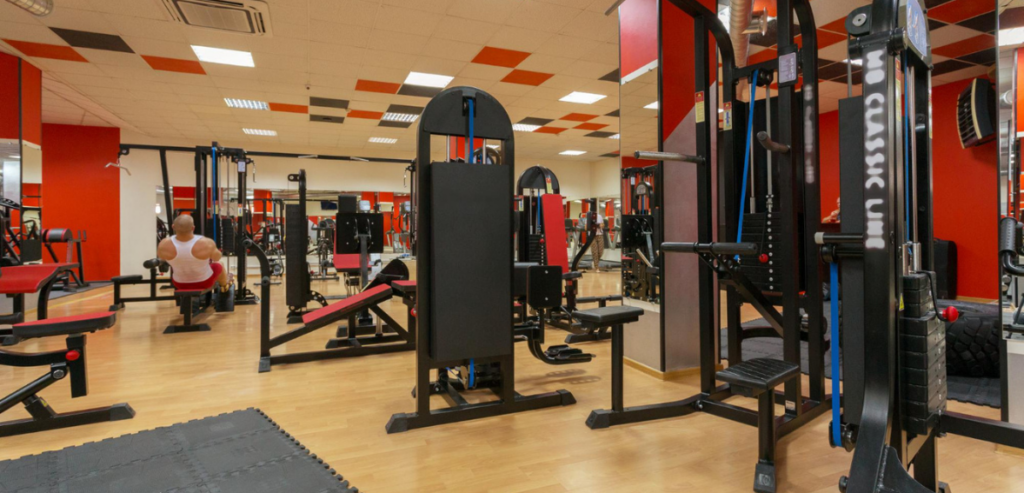
Opening or upgrading a fitness studio requires more than choosing a location and attracting members. Equipment can represent one of the largest upfront investments, particularly for gyms, boutique fitness studios, personal training facilities, Pilates studios, cycling studios, and other specialized fitness businesses. Even a relatively small facility may need cardio machines, strength equipment, racks, benches, free weights, flooring, storage systems, audio equipment, computers, and specialized training tools. Larger facilities can easily face a substantial equipment bill before the first member walks through the door.
The challenge is not simply deciding what equipment to purchase. Owners also need to decide how they will pay for it. Some businesses use cash and own everything from the beginning. Others take out a loan and spread the cost over several years. Leasing provides another option that can reduce the initial cash requirement while giving the studio access to equipment immediately. Gym equipment financing should therefore be considered as part of the studio’s broader financial plan rather than as an isolated purchasing decision. The right choice depends on cash flow, borrowing costs, equipment life, growth plans, taxes, maintenance responsibilities, and how quickly the equipment is likely to become outdated.
Start With the Total Equipment Requirement
Before comparing financing methods, calculate what the studio actually needs. It is easy to focus on major machines while overlooking smaller expenses that can significantly increase the final cost. A strength studio, for example, may need racks and weight plates, but it may also require benches, mats, resistance equipment, storage, mirrors, flooring, cleaning stations, and installation. A Pilates studio may need reformers along with boxes, springs, accessories, and other supporting equipment.
Separate essential opening equipment from items that can be added later. A new business does not necessarily need every machine available on the market from its first day. Buying too much equipment can tie up capital in assets that members rarely use. At the same time, buying too little may affect the customer experience. Building a realistic equipment plan makes it easier to compare cash purchasing, leasing, and borrowing because the owner knows the actual amount that needs to be funded.
It can also help to estimate how much space each piece of equipment will occupy and how frequently members are likely to use it. A machine that looks valuable on paper may not contribute much if it spends most of the day unused. Looking at the expected return from each major purchase can help owners decide what needs to be purchased immediately and what can wait until the studio has more revenue.
Understand the Three Main Payment Options
Most studio owners considering equipment have three broad choices. They can buy the equipment outright using available cash, borrow money through a loan or similar financing arrangement, or lease the equipment. Each approach changes how money moves through the business and who owns the equipment.
Buying outright usually requires the largest immediate payment but avoids future financing payments. A loan spreads the cost over time while generally allowing the business to own the equipment, subject to the financing terms and any security interest. Leasing typically requires periodic payments for the right to use the equipment, with ownership depending on the type of lease and end-of-term provisions. Comparing these options requires looking beyond the monthly payment because the cheapest monthly arrangement is not always the least expensive overall.
Buying Equipment Outright
Paying cash is the simplest approach from an ownership perspective. The studio pays the supplier and owns the equipment without having to make monthly loan or lease payments. This can reduce ongoing financial commitments and may provide greater flexibility if the owner later wants to sell, replace, relocate, or modify the equipment.
The main disadvantage is the immediate effect on cash reserves. A studio that spends a large portion of its available cash on equipment may have less money for rent, payroll, insurance, advertising, renovations, utilities, software, and unexpected expenses. This can be particularly risky for a new facility because revenue may take time to reach expected levels. Cash ownership can be financially attractive, but only when the purchase does not leave the business underfunded in other important areas.
The Value of Preserving Working Capital
Working capital gives a business room to operate when revenue and expenses do not line up perfectly. New studios often face a period where expenses are predictable but membership growth is not. Rent and payroll continue regardless of whether the business signs up 20 new members or 200. Keeping cash available can therefore be more important than avoiding every financing cost.
Suppose a studio has $150,000 available and needs $100,000 of equipment. Paying cash would leave only $50,000 for everything else. Financing part of the purchase could preserve a larger reserve for operating expenses and unexpected problems. The financing may cost more in total, but the additional liquidity could provide valuable protection. Owners need to weigh the cost of financing against the value of maintaining a healthy cash position.
Cash reserves can also be useful when a studio faces costs that were not obvious during the planning stage. Construction delays, additional permits, repairs, marketing expenses, or slower-than-expected membership growth can all put pressure on a new business. Keeping some capital available can give the owner more time to adjust rather than immediately turning to additional borrowing.
How Equipment Loans Work
An equipment loan allows a business to borrow money specifically or generally for the purchase of equipment. The lender provides funds, and the business repays the amount over an agreed period with interest and potentially other fees. The equipment itself may serve as collateral, depending on the structure of the loan.
Loan terms can vary significantly. Interest rates, repayment periods, down payment requirements, credit standards, collateral provisions, personal guarantees, and fees may differ between lenders. Established businesses with strong financial records may qualify for different terms than new studios without a long operating history. Owners should compare the full financing agreement rather than focusing only on the advertised rate or monthly payment.
Why a Loan Can Make Sense
A loan can provide a useful middle ground between paying cash and leasing. The studio can obtain the equipment immediately without using all of its available capital, while ownership generally remains with or ultimately belongs to the business according to the financing agreement. Once the loan is repaid, the equipment may continue generating value without a financing payment attached to it.
This approach can work well for durable equipment expected to remain useful for many years. Power racks, benches, free weights, storage systems, and certain strength machines may have relatively long useful lives when properly maintained. Financing these assets over a reasonable period can align payments with the years in which the equipment helps generate revenue. However, borrowing for equipment that becomes obsolete quickly can create a situation where the studio is still making payments after it wants to replace the asset.
A loan can also make sense when the owner wants greater control over the equipment. Once the financing obligation is satisfied, the studio can generally decide when to sell, replace, relocate, or continue using the equipment without dealing with a lease return process. The exact rights still depend on the agreement, so the contract matters.
Interest Changes the Real Purchase Price
One of the biggest differences between a cash purchase and a loan is interest. A machine with a $20,000 purchase price may cost considerably more by the time all loan payments and fees are completed. The exact amount depends on the interest rate, financing period, payment structure, and other charges.
Owners should calculate the total amount that will be paid over the entire loan rather than looking only at whether the monthly payment fits the budget. A longer loan term can reduce the monthly obligation but increase total interest. A shorter term may save interest but place more pressure on monthly cash flow. The best structure is one that balances affordability with a reasonable total cost and does not extend significantly beyond the useful life of the equipment.
What Equipment Leasing Means
Leasing allows the studio to use equipment in exchange for scheduled payments. Instead of paying the full purchase price upfront, the business makes payments over the lease period. Depending on the agreement, the studio may return the equipment at the end, renew the lease, upgrade to different equipment, or have an option to purchase it.
Lease agreements can differ substantially, so owners should not assume that every lease operates the same way. Some are designed primarily to provide temporary use of equipment, while others function more like financing arrangements that may lead toward ownership. The contract should explain payment obligations, maintenance responsibilities, insurance requirements, early termination rules, end-of-term options, and any purchase amount that applies.
Leasing Can Reduce the Initial Cash Requirement
One of leasing’s main attractions is that it may require less money upfront than purchasing equipment outright. This can be useful for new studios that need significant equipment but also need cash for construction, deposits, hiring, marketing, and other opening expenses.
For example, a cycling studio may need dozens of specialized bikes before it can operate effectively. Purchasing every bike in cash could consume a large portion of the opening budget. A lease may allow the studio to spread those costs over time while using the equipment to generate membership and class revenue. The business still needs enough predictable cash flow to make the lease payments, but it avoids a large immediate purchase.
Leasing can also make budgeting more predictable because the studio knows the scheduled payment for the lease period. That does not mean the arrangement is automatically cheaper or safer. The owner still needs to consider fees, maintenance, insurance, and what happens when the lease ends.
Leasing May Help With Equipment Upgrades
Fitness trends and technology can change quickly. Connected cardio machines, interactive displays, performance tracking systems, and specialized studio equipment may become outdated faster than basic strength equipment. A studio that wants to offer newer technology may not want to own the same machines for ten years.
Certain leasing arrangements can make equipment replacement easier, depending on the contract. The business may be able to return older equipment and move to newer models rather than selling used machines itself. This can be valuable for premium studios where members expect modern facilities. However, owners should carefully review upgrade provisions because the ability to replace equipment is not automatically included in every lease.
The Potential Downsides of Leasing
Lower upfront costs can make leasing attractive, but long-term costs may be higher than purchasing. A studio could make payments for several years without building the same ownership value it would have created through a direct purchase or conventional loan. Depending on the agreement, additional fees may also apply when the lease ends.
Leases can also reduce flexibility. A studio experiencing financial difficulty may still be contractually required to continue payments. Early termination can be expensive, and equipment may have to meet specific conditions when returned. Owners should understand what happens if the studio closes, moves, changes its business model, or no longer needs certain machines. A manageable payment today can become burdensome if revenue falls significantly later.
Compare the Total Cost, Not Just Monthly Payments
Monthly affordability matters, but it should not be the only comparison. A lease offering a $1,500 monthly payment may appear better than a loan requiring $1,900, but that comparison is incomplete if the lease lasts longer, includes significant fees, or leaves the studio without ownership at the end.
Calculate the expected total cash outflow for each option. For a purchase, include the equipment price, delivery, installation, taxes, and maintenance. For a loan, include the down payment, principal, interest, fees, and related costs. For a lease, include upfront payments, scheduled payments, fees, end-of-term charges, and any purchase option. Looking at the entire financial commitment gives owners a much more realistic basis for comparison.
It is also useful to compare what happens after the financing period ends. With an outright purchase or loan, the business may still own an asset that can be used or sold. With a lease, the business may need to return the equipment or make another payment to acquire it. That difference can affect the true cost even when two arrangements have similar monthly payments.
Match Financing Length to Equipment Life
The useful life of the equipment should influence financing decisions. Paying for an asset long after it has stopped being useful creates unnecessary financial pressure. A five-year financing arrangement may be reasonable for equipment expected to remain productive for eight or ten years, but it could be less suitable for technology likely to require replacement in three years.
Different equipment categories may justify different approaches. Free weights and durable strength equipment may be good candidates for ownership because they can remain useful for a long time. Technology-heavy cardio machines may be more suitable for shorter financing or certain leasing arrangements if regular upgrades are important. Studio owners do not have to finance every equipment category in the same way.
Consider Maintenance and Repair Costs
Equipment ownership comes with maintenance responsibilities. Even durable commercial machines need regular inspection, cleaning, lubrication, adjustment, and occasional repairs. Cardio equipment can require replacement belts, electronic components, screens, motors, or other parts. These costs should be included when comparing financing options.
Some lease or supplier arrangements may include maintenance or service packages, while others place all responsibility on the studio. A lower payment may not be a bargain if the business also has to cover expensive repairs. Owners should determine exactly what warranties and maintenance services are included, how long coverage lasts, and what happens when equipment becomes unavailable because of a mechanical problem.
Regular maintenance can also extend equipment life and protect resale value. Creating a maintenance schedule from the beginning may seem like a small operational detail, but it can reduce avoidable downtime and unexpected replacement costs later.
Think About Equipment Resale Value
Owned equipment may retain resale value. Commercial strength machines, racks, weights, reformers, and other durable items can sometimes be sold when a studio upgrades, relocates, or closes. The amount recovered depends on age, condition, brand, market demand, and transportation costs.
Resale value changes the economics of ownership. If a studio purchases equipment for $50,000 and later sells it for $15,000, the effective long-term cost is different from equipment that has no meaningful resale market. Leasing may remove the need to sell used equipment, but the studio may also give up potential residual value. Owners should research the used market for major purchases rather than automatically assuming that equipment will either hold its value or become worthless.
New Equipment Versus Used Equipment
Financing decisions are also connected to whether the studio buys new or used equipment. Used commercial equipment can significantly reduce the initial investment, especially for basic strength machines, racks, benches, and weights. A well-maintained commercial machine may continue operating for years after its first owner sells it.
Used equipment carries different risks, however. Warranty coverage may be limited, replacement parts may be harder to obtain, and maintenance history may be unclear. Some lenders or leasing companies may also have restrictions involving used equipment. Studios considering secondhand purchases should inspect equipment carefully and include potential repair costs in their calculations. A lower purchase price is valuable only if the equipment remains reliable.
Financing a New Studio Is Different From Financing an Established One
A new studio and an established facility face different financial situations. A new business may have limited revenue history and uncertain membership growth. It also has numerous startup expenses competing for the same cash. Preserving liquidity may therefore be especially important.
An established studio may have predictable cash flow and historical information showing how members use equipment. It may know exactly which machines need replacement and how much additional revenue an expansion could support. This information can make financing decisions more precise. Established businesses may also have stronger borrowing profiles, although actual terms depend on the lender and the company’s financial condition.
Understand the Effect of Debt on Monthly Cash Flow
Debt creates a fixed obligation. Whether the studio has a strong month or a weak one, loan payments still need to be made. The same principle generally applies to lease commitments. Owners should therefore test whether projected cash flow can support the payments under less favorable conditions.
A financial projection should not assume that membership always grows exactly as planned. Consider what happens if opening is delayed, member acquisition is slower, seasonal cancellations increase, or an unexpected repair occurs. A financing plan that works only under an optimistic forecast may create unnecessary risk. The business should have enough margin to handle normal fluctuations while still meeting rent, payroll, financing, and other obligations.
How Gym Equipment Financing Fits Into Expansion
Financing can be particularly useful when an existing studio is expanding. A profitable location may want to add a second site, introduce a new training concept, or increase capacity. Paying cash for all the equipment could slow expansion or reduce reserves needed for the new location.
Used carefully, gym equipment financing can allow the business to spread equipment costs across the period when the new assets are generating revenue. The important question is whether the expected additional cash flow reasonably supports the financing obligation. Expansion should not be justified simply because credit is available. Owners should estimate realistic membership demand, pricing, operating costs, and the time required for the new investment to become productive.
Tax Treatment Should Be Considered Carefully
Equipment purchases, loans, and leases can have different accounting and tax consequences. Depreciation, deductions, interest, lease payments, and the timing of expenses may affect taxable income differently depending on the arrangement and applicable rules. Tax treatment can also change based on the type of equipment and the legal structure of the business.
Owners should avoid selecting a financing method solely because someone says it provides a tax advantage. A tax benefit does not automatically make an expensive transaction financially sensible. The financing should first support the business operationally and financially. A qualified accountant or tax professional can then explain how the available options would be treated under current rules and how that treatment fits the studio’s broader financial position.
Check Personal Guarantees and Collateral Requirements
Small-business financing may involve more than the equipment itself. Lenders or financing companies may request personal guarantees, liens, security interests, or other forms of protection. This means the owner could take on obligations that extend beyond simply making monthly payments from the studio’s account.
Before signing, owners should understand what assets secure the financing and what happens if the business cannot make payments. They should also review default provisions, late fees, collection rights, and early repayment terms. These details may not receive as much attention as the interest rate, but they can become extremely important if the business experiences financial difficulty.
Avoid Financing More Equipment Than the Studio Needs
Access to financing can make expensive equipment feel more affordable because the full cost is converted into a monthly payment. This can encourage owners to purchase more than they actually need. A $10,000 upgrade may sound manageable when described as a smaller monthly amount, but the business is still committing to the entire financial obligation.
Equipment purchases should be driven by member demand, operational requirements, and realistic revenue expectations. Owners can track which machines are heavily used and which remain idle. Additional equipment can then be purchased when demand justifies it. Phased investment can reduce financial risk and prevent the studio floor from becoming crowded with expensive machines that contribute little to the member experience.
A Mixed Financing Strategy Can Work Well
The decision does not have to be entirely lease, loan, or cash. Studios can use different payment methods for different types of equipment. An owner might purchase durable free weights and racks outright, finance expensive strength machines, and lease technology-heavy cardio equipment that may require more frequent upgrades.
This mixed approach can balance ownership, flexibility, and cash preservation. It also recognizes that equipment categories have different useful lives and financial characteristics. Instead of asking which financing method is universally best, owners can ask which method makes the most sense for each major asset. This often produces a more practical equipment strategy than applying one financing rule to every purchase.
Compare Offers From More Than One Financing Source
Financing terms can vary considerably between equipment manufacturers, banks, credit unions, specialized equipment finance companies, and other lenders. The first offer may not provide the most suitable combination of interest, fees, repayment period, down payment, and flexibility.
Owners should compare equivalent figures whenever possible. One provider may advertise a low monthly payment because the repayment period is longer. Another may offer a higher payment but lower total financing costs. Equipment suppliers may provide convenient financing, but convenience should not replace comparison. Reading the full agreement is essential because fees and end-of-term conditions can materially change the actual cost.
Create a Replacement Plan Before Equipment Wears Out
Equipment financing should be connected to a long-term replacement strategy. Waiting until several machines fail at the same time can force the business into rushed purchases and unfavorable financing decisions. A studio that tracks equipment age, condition, maintenance history, and expected replacement dates can plan capital needs in advance.
Setting aside money for future equipment can gradually reduce dependence on financing. Even when a studio uses loans or leases, maintaining an equipment reserve provides more flexibility when contracts end or unexpected replacements are needed. Over time, an established business may be able to purchase more equipment with cash while reserving financing for major expansions or unusually expensive upgrades.
Questions to Answer Before Making the Decision
Before choosing how to pay for equipment, owners should understand the total purchase requirement, available cash, monthly operating expenses, expected revenue, and emergency reserves. They should also know how long the equipment is likely to remain useful and whether technology changes could make replacement necessary sooner than expected.
The financing agreement itself deserves equal attention. Owners should understand the total repayment amount, interest or financing cost, fees, maintenance responsibilities, ownership rights, early termination provisions, collateral requirements, and end-of-term options. A financing decision should still make sense when viewed as a complete multi-year commitment rather than simply as an affordable monthly payment.
It is worth running the numbers under at least two scenarios: the expected business case and a slower-growth case. If the studio can comfortably manage the payments even when membership growth is slower than planned, the financing structure may be more manageable. If a small drop in revenue makes the payments difficult, the owner may want to reconsider the equipment budget or financing period.
Choosing Between a Lease, Loan, and Cash Purchase
Buying outright may be suitable when the business has strong cash reserves and the equipment is expected to remain useful for many years. A loan can be appropriate when ownership is important but the studio wants to preserve working capital. Leasing may make sense when reducing upfront costs or maintaining equipment flexibility is a priority.
There is no universal answer because two studios purchasing identical machines may have completely different financial situations. A mature facility with substantial reserves may benefit from paying cash, while a growing business may prefer financing so it can preserve money for expansion. A technology-focused studio may value the upgrade flexibility offered by a particular lease arrangement. The decision should reflect the business rather than simply following what another studio has done.
Final Thoughts
Studio equipment is an investment in the experience a fitness business provides, but how that investment is financed can affect the business for years. Cash provides ownership but can reduce reserves. Loans spread the cost while adding interest, while leasing can reduce upfront costs and offer flexibility.
The right gym equipment financing strategy should support both current operations and long-term growth. Compare total costs, protect working capital, consider equipment life and maintenance, and read the financing agreement carefully. For some studios, a mix of cash, loans, and leases may provide the most practical balance.