

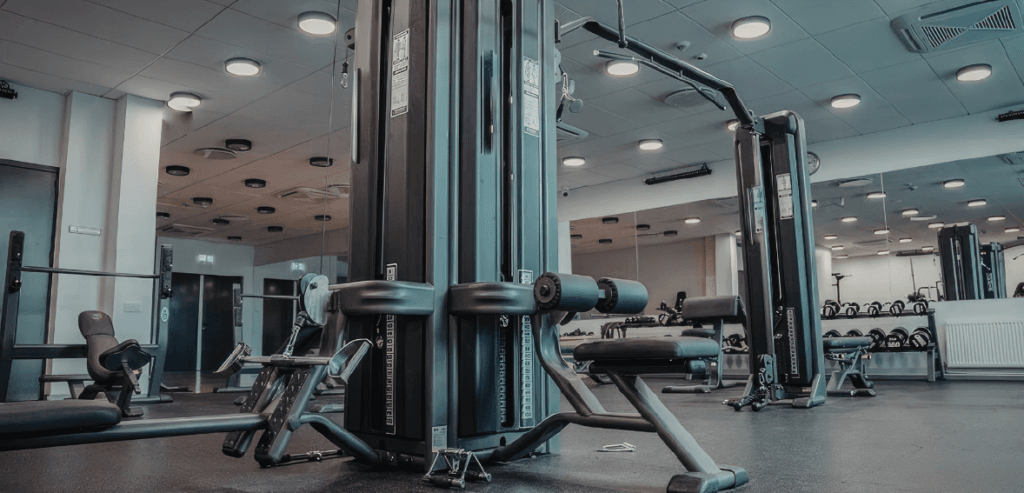
A studio that relies on shared equipment needs proper systems to operate its equipment. The process of equipment scheduling should carry equal weight to scheduling staff when you oversee Pilates reformers, cycling bikes, and training equipment. The system breakdown leads to double bookings, causing client dissatisfaction and wasted resources. Equipment scheduling is an essential task that requires attention during professional work hours.
Studios that provide Pilates reformer scheduling and bike studio capacity management face specific operational difficulties due to equipment. The class structure requires each student to have access to their personal equipment. Your scheduling system needs to handle both class limits and equipment status simultaneously. A class with all seats filled will experience operational problems when equipment distribution exceeds actual needs, leaving equipment unavailable.
The current equipment booking software solutions for studios aim to address common problems, yet users must first understand core principles before making equipment selection decisions. The resource scheduling concept, together with room equipment and maintenance blocking and capacity limits by resource, provides fundamental principles that help to prevent operational conflicts. Studios now use new booking systems, such as “pick your spot” booking, to manage client access to their equipment.
The guide presents equipment scheduling with detailed implementation steps that lead to successful results. The system aims to eliminate double bookings while enhancing client satisfaction and maintaining studio operations through automated processes.
What Scheduling Equipment Means in a Studio Environment
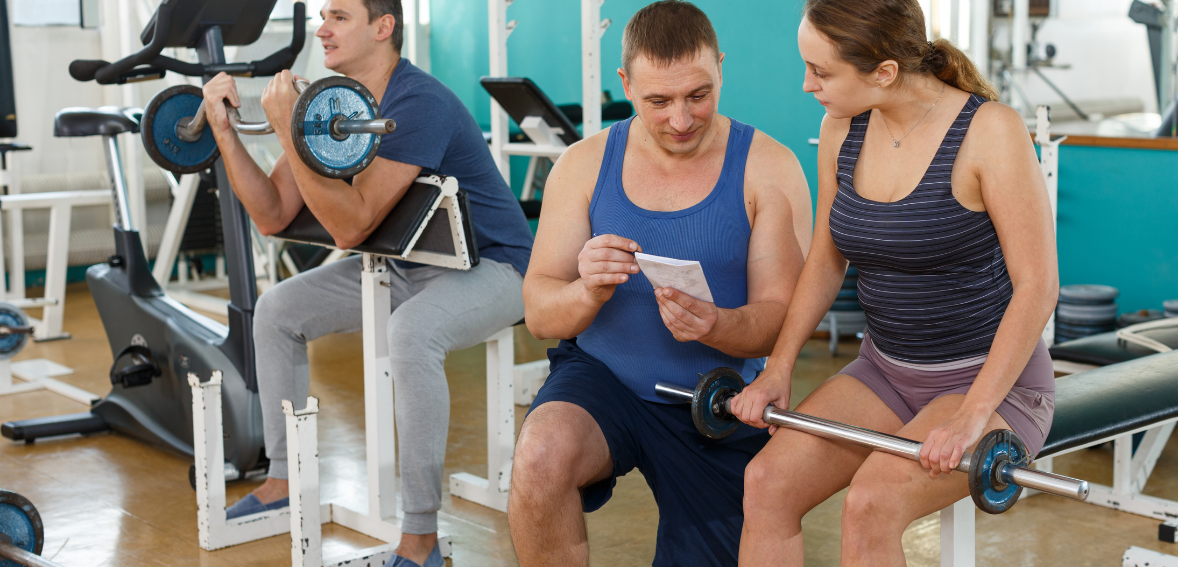
Equipment Scheduling is the way of managing the availability and allocation of physical resources with class bookings. Unlike traditional scheduling, the equipment scheduling paradigm ensures that each participant receives an assigned piece of equipment.
This has become increasingly important in studios that offer Pilates reformer scheduling. Each reformer must be tracked individually to prevent participants from using the same reformer at the same time. In cycling studios, the studio’s bike capacity determines the number of participants who may attend each session.
The scheduling of equipment consists of three main components:
- Class or session time
- Quantity and type of equipment available
- Participants assigned to each resource
With this method, all class bookings will match the actual availability. Without doing so, studios will be at risk of either overbooking classes and leaving participants without equipment or under-utilizing equipment by providing only limited bookings.
By treating equipment as a schedulable resource rather than a passive asset, studios are better positioned to take control of their operations. Establishing this foundation is necessary to implement advanced scheduling strategies later.
Why Double Booking Happens More Often Than You Think
Double-booking equipment is a common issue in studios. These issues either operate with manual systems or lack a cohesive, structured method for tracking clients and staff to book equipment efficiently. Double bookings due to the disconnect between how classes are booked and how equipment is tracked are also common.
The failure of planners to recognize that class capacity is not the same as the amount of equipment currently available can lead to double booking. For example, if a class allows 10 clients to attend but there are only 8 reformers available, a conflict arises when the class’s capacity limit is not enforced.
Last-minute cancellations or schedule changes often allow a person to remain listed as a user of equipment that has since been reassigned to another person; therefore, the reassignment is not known until the two clients use the equipment at the same time.
When staff members lack real-time information about equipment availability, they may enter equipment for multiple clients without their knowledge.
Understanding Capacity Limits by Resource
Limiting the number of each resource to manage booked resources is one of the most critical methods for scheduling your equipment. This means that when reserving equipment, you will accept reservations only based on the actual number of resources available, rather than an arbitrary class size.
The number of bike rooms in a bike studio directly determines the number of participants allowed in a class. If there are 15 bikes available, the maximum number of participants per class will never exceed 15.
This differs from traditional scheduling, where the number of participants is set and based on no-name resources per line item, and only on the total number of resources per class.
Scheduled resources in a bike studio are frequently not fixed and typically require dynamic adjustment based on demand for the resources needed for that class.
Key areas considered when setting limits on resources:
- There can be different capacities per type of resource.
- Some resources may be unavailable or temporarily unavailable.
- There may be limited inventory, or some resources may need to be maintained or repaired, thus reducing the available usable resource count.
By applying capacity limits to each resource, a studio can ensure that all reservations are operationally viable and will help eliminate staff anxiety, thereby creating a more predictable experience for the clients.
Pilates Reformer Scheduling Without Conflicts
Each client’s equipment needs require studios to assign dedicated reformers to their specific requirements.
The studio requires precise asset management, as each participant needs a dedicated reformer. The studio needs to track all equipment assets to prevent double bookings when customers reserve two services simultaneously. Equipment conflicts arise when studios allocate general time slots without specifying which equipment should be used during peak service periods.
The booking process needs an effective method that pre-assigns reformers to specific times. The system provides clients with information about the designated equipment they will operate. The system provides instructors with clear equipment details for their teaching sessions.
Studios can enhance their equipment scheduling process by organizing reformers into groups based on their layout requirements and the assigned instructor. The system provides better session management through improved session flow capabilities.
Organizations need to maintain operational stability throughout their entire business operations. The staff and clients build their expectations based on the standard schedule, which maintains equipment usage patterns. The process leads to better results because it creates a clear operational framework, which decreases confusion.
Bike Studio Capacity by Equipment Explained Clearly
Cycling studios differ from reformer studios, but they also rely heavily on scheduling equipment. The primary focus in cycling studios is managing capacity by tracking each bike as an individual resource.
Each bike is a static resource because it cannot be assigned dynamically during a session, unlike other seating options.
Accurate capacity tracking is critical, as most studios experience temporary bike outages that can impact capacity due to maintenance, bike moves, or technical issues. Without timely updates on bike availability, studios usually end up with more bikes booked than they actually have available.
To effectively manage the capacity of a biking studio or to book classes effectively, studios need to do the following:
- Track each bike as a separate resource.
- Update each bike’s availability in real time.
- Adjust the class capacity dynamically based on the number of bicycles available.
By synchronizing equipment scheduling with bicycle availability, studios can better align their operations. This results in smoother operations and greater client satisfaction by eliminating disruptions caused by last-minute cancellations.
Using “Pick Your Spot” Booking for Better Control
Your spot booking is new and allows potential clients the opportunity to select equipment when making reservations. This method will improve equipment visibility and help reduce the potential for scheduling conflicts, improving service experiences for all clients.
Instead of manual equipment assignment, clients will select a preferred spot for themselves. This could include a reformer, a bike, or other equipment located in the studio; the system will then lock that resource so it is unavailable to anyone else during the specified timeframe.
There are several benefits to this model:
- There is no ambiguity in the assignment of equipment.
- Staff can work more efficiently because there is less workload at check-in time.
- The client experience is enhanced through personalization of their workout schedule.
To implement the “pick your spot” model, you must have a robust scheduling system in place. This will allow for real-time tracking of available equipment and prevent the same resource from being selected by two different clients at the same time.
When combined with robust equipment scheduling processes, this model will greatly reduce the risk of double bookings and improve the user experience when reserving equipment or space.
Choosing the Right Equipment Booking Software Studio Solution
It is important to select the best studio equipment booking software to effectively manage and schedule studio equipment. Not every scheduling tool can accommodate resource-based constraints.
An ideal system will allow scheduling both booked classes and rooms and studio equipment, ensuring each room or studio has space and resources available.
Some key features that you will want to look for when selecting a suitable scheduling tool include:
- Real-time availability tracking
- Booking control on a resource level
- Integrations with any client booking interface
- Automated conflict detection and prevention
The scheduling solution system must also handle the increased complexity that will result from your studio’s growth.
By selecting a suitable equipment booking software solution, you will reduce your labor costs, reduce your exposure to errors, and have the foundation for implementing advanced scheduling methodologies.
Resource Scheduling Rooms, Equipment in One Unified System
Room scheduling and the scheduling of associated resources, such as fitness equipment, are frequently neglected by many studios. The disjointed management of these two elements can create operational inefficiencies and conflicts within the studio.
Coordinating the scheduling of the physical space (room) with the resources located in that space (equipment) is essentially the same as scheduling both the physical space for a reformer class and the reformer equipment needed to deliver it. If there are no integrated systems, the room may be scheduled without sufficient equipment to conduct the class, or the equipment may be scheduled for use without a room available to use it in. This would create a bottleneck in the studio’s operations.
Using an integrated system to schedule is focused on:
- Coordinating room and equipment schedules at the time of booking.
- Synchronizing the availability of resources across all types of resources.
- Identifying potential booking conflicts before confirming a booking.
A holistic approach to equipment scheduling improves scheduling efficiency and provides studios with greater visibility into the utilization of studio resources.
Preventing Issues with Equipment Maintenance Blocks
Neglecting maintenance in your equipment scheduling creates an opportunity for unanticipated service disruptions. Schedule regular maintenance from the beginning.
The simplest way to prevent this from happening to you is to add a maintenance period block to your schedule.
A maintenance block reserves time for all maintenance activities. Therefore, during these periods, you cannot reserve the equipment for use because it is being serviced. This ensures that every equipment reservation is for functioning equipment.
Your equipment scheduling practices using maintenance blocks should include:
- Scheduled times for routine maintenance.
- Immediate blocks for unanticipated service needed.
- Clear communication of these blocks on your schedule.
By effectively managing your equipment maintenance, you reduce “downtime” in the studio and improve your customers’ safety. You are always providing your customers with functioning equipment.
By combining maintenance with your equipment reservations, you are providing a more reliable and professional business operation.
Automating Scheduling Equipment to Reduce Manual Errors
Many companies still rely on manual resource scheduling, which is always risky in an equipment-based environment. Automating equipment scheduling helps reduce many of these risks.
By using automated systems to schedule equipment, your listings will be validated against real-time availability. Automated systems will also prevent conflicts by enforcing rules (i.e., resource and equipment assignments or capacity limitations).
The following are some of the primary benefits of automating your scheduling process:
- Immediate detection of conflicts.
- Decrease in administrative time spent managing schedules.
- Increased accuracy when making reservations.
- Quicker response time to changes/cancellations.
Automation will also enable scalability as your company grows; once your studio is larger, it becomes increasingly difficult to manage the entire scheduling process manually. Automated scheduling systems will enable the more efficient handling of complex tasks.
By implementing automation in your studio, you can focus more on providing an exceptional experience for your clients and less on dealing with logistical issues.
Best Practices to Avoid Double-Booking Reformers and Equipment
To prevent double bookings, a studio should think strategically when partnering with tools to consistently facilitate the scheduling process. By using effective best practices, you will ensure all scheduling is both accurate and reliable.
A few of these best practices include:
- Always connect class capacity to available equipment.
- Utilize real-time systems to book your class and/or make changes after the class has been scheduled.
- An assigned piece of equipment should always be provided at the time of booking, not later.
- Audit schedules periodically for accuracy.
Consistent adherence to these established standards will help any studio prevent double-bookings; however, even the best systems can fail if they are not used properly.
Another important aspect of preventing double bookings is providing proper employee training regarding the scheduling process. Every employee who schedules or allocates equipment should understand how the process works and the importance of maintaining accurate assignment records.
Conclusion
Studios that use shared resources need to implement equipment scheduling as their primary operational procedure. The fundamental requirements of a business’s operations establish essential work functions that determine company performance standards. The same scheduling principles apply to both Pilates reformer operations and bike studio equipment optimization, as they need to match actual resource availability to their bookings.
Success depends on equipment knowledge, which enables proper scheduling of equipment assets. The system needs capacity limits per resource and per room, along with an equipment maintenance block calendar, as its operational framework to prevent scheduling conflicts. Consistent application of these practices enables precise operational execution, eliminating uncertainty and reducing pressure.
Equipment booking software studio platforms, together with “pick your spot” booking systems, operate as modern solutions that provide users with better control and operational visibility. The tools provide double-booking protection for users while creating a straightforward scheduling process, enhancing the client experience.
The equipment scheduling process needs to establish an equilibrium between different resource requirements. The system guarantees effective class delivery, proper client access to equipment, and optimal equipment operation. The studio management process can shift from emergency response to planned control by implementing the strategies presented in this guide.
FAQs
- What is scheduling equipment in a fitness studio?
The scheduling equipment system manages resources and class scheduling. The system guarantees that each participant receives their designated equipment without scheduling conflicts.
- How can studios avoid double booking reformers?
Studios can prevent double bookings of reformers through two methods: allocating equipment during appointment scheduling and implementing systems that monitor equipment usage in real time. This system effectively stops multiple people from booking the same equipment at the same time.
- What is “pick your spot” booking?
Through the “pick your spot” booking system, clients can choose their desired equipment when scheduling. The system increases transparency while reducing errors during equipment assignment.
- Why are capacity limits by resource important?
Capacity limits by resource enable correct equipment allocation for scheduled bookings that match actual equipment availability. The system prevents overbooking while maintaining class operations without interruptions.
- How do maintenance blocks improve scheduling equipment?
The maintenance blocks schedule time for equipment maintenance, including repairs and safety inspections. The system prevents users from booking equipment that is not currently available, which helps maintain operational flow and safety standards.