


A summer dance intensive is the only program most studios run where the dancers choose to be there, the schedule is yours to design, and the revenue arrives before the costs do. It is also the program most likely to lose money quietly, because the faculty are booked in February, the marketing runs in March, and the enrollment number that decides whether any of it worked is not known until May. What follows is how studio owners structure one, what the published pricing looks like, and the decisions that determine whether the dancers come back in September.
Intensive vs Summer Camp: Which Your Studio Should Run
The summer dance camp vs intensive question comes down to this: they are different products sold to different families, and running one while describing it as the other is the fastest route to refund requests.
A camp is recreational. It runs shorter days, mixes dance with crafts, games and themed activities, accepts a wide range of ability in one room, and is bought by parents who need childcare that their child will enjoy. DanceFinder, whose directory carried a 2026 copyright and tracked 914 summer programs including 800 day camps and 114 residential ones, describes day camps as typically serving ages 6 to 12.
An intensive is training. Longer days, technique-led, grouped by level rather than age, often with an audition or placement class, and bought by the dancer as much as by the parent. The same directory describes pre-professional residential intensives as serving ages 14 to 22. The expectation is improvement, and families paying intensive prices will measure it.
Most studios should run both, scheduled apart rather than together. The camp fills June weeks with younger students and pays the rent. The intensive serves the competitive and pre-professional dancers who would otherwise spend their summer at somebody else’s program. The question is not which to pick but which you have the faculty depth to deliver well, and that usually means starting with one week of intensive alongside the camp weeks you already run. For the camp side specifically, the guidance on running school holiday camps at your dance studio covers the ratios and pricing those programs need.
Summer Dance Intensive Format: Length, Daily Schedule, Levels
Dance Informa, in a piece by Allison Gupton published May 6, 2018, advises choosing a format that fits your own calendar, whether that is one week, five days or five weeks, leaving room for family vacations and avoiding holiday weeks such as the Fourth of July. That flexibility is real, and published summer dance intensive programs reflect it.
The University of Hartford’s Hartt Community Division ran its 2026 Summer Dance Intensive from July 20 to August 15, four weeks in total, with dancers able to enroll in all four or choose individual weeks.
Its morning program ran Monday to Friday, 9:00 a.m. to 1:00 p.m., and its afternoon program ran Monday to Friday, 12:00 p.m. to 6:00 p.m., for dedicated dancers aged 8 to 22 who audition. That structure is worth studying even at a fraction of the scale, because it solves two problems at once: modular weeks let families buy what their vacation allows, and a split morning and afternoon program lets younger and older dancers be served by the same faculty and the same floor space on the same day.
For anyone working out how to plan a summer dance intensive for the first time, one week is the right bet. Five days gives enough time for a visible result, keeps the faculty commitment small, and limits the damage if enrollment lands below target. Use that as your intensive schedule template: build the day around a technique class that never moves, then rotate the remaining blocks: a second technique style, a repertoire or choreography block, and a conditioning, injury prevention or audition preparation block that gives bodies a break from full-out dancing.
Dance Informa’s piece recommends closing the program with an end-of-intensive performance or open class so parents can see what their children learned, which is also the single best piece of marketing for next year’s edition.
On levels, place by ability rather than age, and say so in the registration materials before anyone pays. A placement class on day one is standard practice and avoids the harder conversation of moving a dancer mid-week. Where numbers are too small for more than one group, say that plainly in advance rather than letting families assume there will be streaming.
Guest Faculty and Staffing Costs
Guest faculty is where intensive budgets break. Dance Teacher, in a June 2, 2017 answer from studio owner Joanne Chapman, put the problem directly: high hourly rates, airfare and hotel fees can make it impossible for summer intensives to be affordable. The fee is rarely the whole cost. Flights, ground transport, accommodation, meals and the studio hours lost to their schedule all land on the same budget line.
Two structures from the published advice are worth considering. The first is Chapman’s shared model, where she and two other studio owners ran a joint intensive hosted at one studio and open to dancers from any of them, mixing local teachers with bigger-name faculty. She reports the shared intensive made money where their individual programs had not. For a studio that cannot fill a room alone, that is a more realistic path to a well-taught program than scaling back the faculty.
The second is Dance Informa’s advice to hire educators who teach well rather than performers with famous names, and to pair a single high-profile guest with strong local teachers. The named guest sells the program; the local faculty deliver most of the hours at a cost you can control. One guest for two or three days is usually enough to carry the marketing.
Build the staffing budget before setting the price, and include the parts that get forgotten: a front desk person for the whole week, the artistic director’s own hours if they are teaching rather than running the business, cleaning between sessions, and the music, props or accompanist costs that only appear for the repertoire blocks. Dance Informa also recommends stocking first-aid and comfort supplies and arranging backup front-desk cover, both of which are small costs that are unpleasant to discover you lack on day two.
Pricing, Deposits and Payment Plans
Published dance intensive pricing varies enormously, and the first thing to notice is how many programs do not publish at all. Of 30 next-starting listings on DanceFinder’s 2026 directory, only 11 showed a price. Those ran from $50 to $2,026, with points at $150, $250, $300, $350 for two programs, $550, $829, $1,000 and $1,400. The other 19 said contact for pricing. The same directory’s own estimates put week-long studio programs at roughly $300 to $1,500 and residential pre-professional intensives at $3,000 to $6,000.
For a day program, the clearest comparison is per hour of instruction. The Hartt Community Division’s 2026 intensive charged $375 a week for a four-hour morning program and $650 a week for a six-hour afternoon program, which works out to roughly $18.75 and $21.70 per instructional hour respectively, calculated from those published figures across a five-day week. Hold your own number up against that and against the local market before setting it.
Price from your own costs rather than from the studio down the road. Total the faculty fees, guest costs, front desk, cleaning, supplies and the opportunity cost of the space, divide by the enrollment you can realistically expect rather than the room’s capacity, add the margin the program needs to be worth running, and check the result against the per-hour comparison above. Dance Informa’s advice to set a fair price backed by clear math is worth taking literally, because parents at intensive prices do ask where the money goes, and a studio that can answer in specifics closes more registrations than one that cannot. A separate breakdown of dance class pricing covers the same arithmetic for the regular season.
On deposits and plans, three practices do most of the work. Take a non-refundable deposit at registration, large enough to mean something but small enough not to block a yes, and state plainly what it covers if the dancer withdraws. Offer a payment plan that clears in full before the first day, never after, since chasing a balance from a family whose child has already finished the program is close to hopeless.
Set an early-bird rate with a real deadline, which pulls registrations into the window where you can still cancel a guest booking without penalty if the numbers are not there. One further idea from Dance Teacher’s 2017 piece: Chapman’s studios used surplus parent-committee funds to give every enrolled student a $50 credit toward the intensive fee, which she reports raised enrollment by 20 percent.
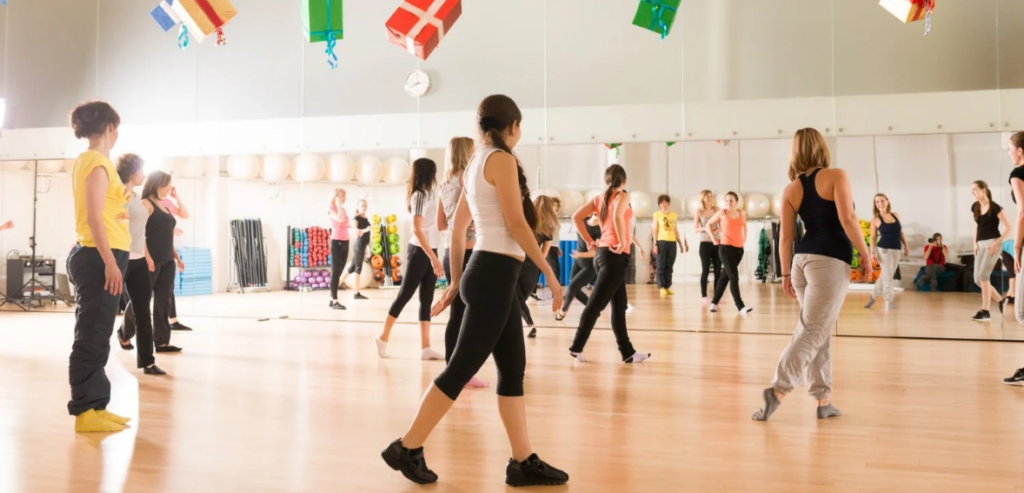
Enrollment Caps, Waitlists and Registration Timing
A cap is not an administrative detail, it is part of the product. Families paying for training rather than childcare are buying attention, and a room that takes everyone who applies cannot deliver it. Set the cap from floor space and from what the level grouping requires, publish it, and hold it.
Published caps do a second job: they create the urgency the program needs. A stated limit with a visible number remaining converts far better than an open registration page, and it is honest, since the limit is real. Keep an active waitlist rather than a polite one. When a place opens in June, the family at the top of a list that has been contacted twice will take it; a list nobody has spoken to since March will not.
On timing, open registration early enough to commit to guest faculty with confidence and late enough that families have their summer plans. For most studios that means opening in February or March, with an early-bird deadline around four to six weeks later and a final deadline two to three weeks before the program starts. Dance Informa’s advice is to make the dates known well in advance, which matters most where the intensive is required for competitive team members whose families are booking vacations around it.
Decide your cancellation threshold at the same time as the cap, and write it down: the minimum enrollment at which the program runs, and the date you will decide. That date needs to fall before your guest faculty cancellation penalty bites. A studio that has already committed to flights before knowing whether twelve dancers signed up has given away the decision. Registration itself should capture the placement information, medical details, photo permission and emergency contacts in one pass, which the dance studio registration form template covers.
Converting Intensive Dancers into Fall Enrollment
An intensive that fills and breaks even has done half its job. The other half is September, and it is worth more than the program revenue.
The dancers most likely to convert are the ones who came from another studio, had a good week, and have not yet committed to their fall schedule. That argues for a specific sequence rather than a general invitation. Open fall registration to intensive participants before it opens publicly, and say so during the week, not after it. Offer a credit toward fall tuition for intensive attendees, which is easier to justify than a discount and converts the program from a cost into a deposit on the year. Put the fall schedule in their hands physically before they leave on the final day, with the classes you would place them in already marked.
Use the week to gather information you can act on. Dance Informa’s piece suggests using the time in class to observe and take notes for your regular teachers, which is exactly the material a placement conversation needs in August. A short written note to each family after the program, naming what their dancer did well and which class would suit them in the fall, lands very differently from a mass email, and is the one piece of follow-up most studios skip.
Finally, get permission before posting photographs or video, as Dance Informa advises, and then actually use the ones you have. The footage from a closing performance is next year’s marketing and this fall’s recruitment at the same time. A studio that leaves the intensive on a camera roll is paying for the program twice and using it once.
Frequently Asked Questions
What Is a Summer Dance Intensive?
A summer dance intensive is a short, training-focused program, usually one to five weeks, built around long days of technique, repertoire and conditioning, with dancers grouped by level rather than age. It differs from a summer camp, which is recreational, shorter in the day and mixed in ability. Many intensives require an audition or a placement class, and most run between June and August.
How Much Should a Summer Dance Intensive Cost?
Published prices vary widely. DanceFinder’s 2026 directory showed 11 of 30 next-starting programs listing a price, ranging from $50 to $2,026, and estimated week-long studio programs at about $300 to $1,500 with residential pre-professional intensives at $3,000 to $6,000. The University of Hartford’s 2026 intensive charged $375 a week for a four-hour day and $650 for a six-hour day.
How Long Should a Summer Intensive Be?
One week is the sensible starting point for a studio running its first, since it limits faculty commitment and financial exposure while still producing a visible result. Dance Informa, in May 2018, advised choosing whatever format fits your calendar, from five days to five weeks, while avoiding holiday weeks. Larger programs often run modular weeks that families can buy individually.
When Should Registration for a Summer Intensive Open?
February or March suits most studios, with an early-bird deadline four to six weeks later and a final deadline two to three weeks before the start. Opening early lets you commit to guest faculty with real numbers. Set your minimum-enrollment decision date before any cancellation penalty on guest bookings takes effect.
Can a Small Studio Run a Summer Intensive?
Yes, and the published advice suggests two routes. Start with a single week using your own faculty and one guest for two or three days. Or share the program with other studios: Dance Teacher reported in June 2017 that three studio owners running a joint intensive hosted at one studio found it made money where their separate programs had not.