

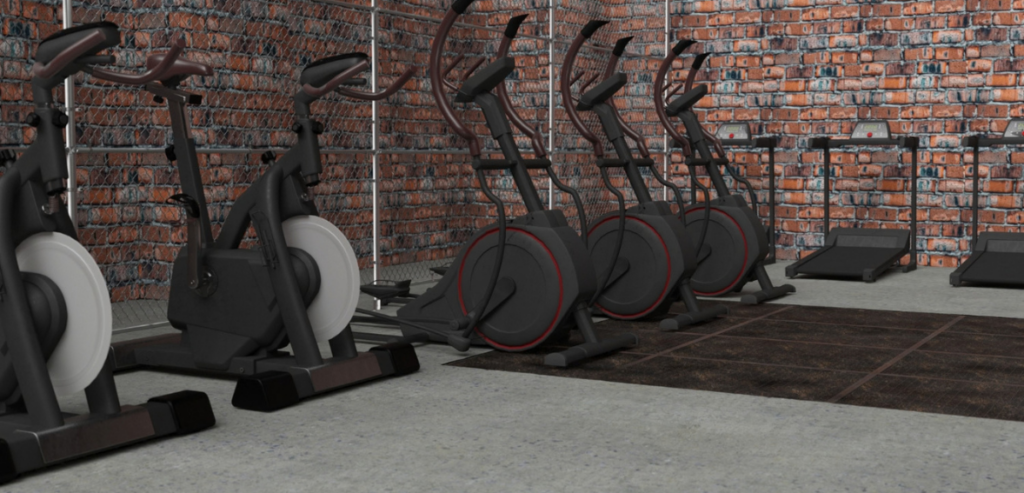
Opening or expanding a fitness studio often requires a large investment in equipment. Treadmills, bikes, rowing machines, reformers, racks, weights, sound systems, computers, and front desk technology can quickly consume a substantial part of the budget. Although these purchases may be necessary for the business, their tax treatment is not always as simple as recording the full cost as an ordinary expense.
Most long-lasting equipment is treated as a business asset and deducted over time through depreciation. However, tax rules may allow a business to deduct some or all of the cost earlier through Section 179 or bonus depreciation. Choosing between these options involves more than finding the largest possible first-year deduction. A studio owner should consider taxable income, equipment use, future tax rates, financing, state rules, and when each asset becomes ready for business use.
Why Equipment Is Usually Depreciated
A normal business expense generally provides a benefit within the current year. Equipment is different because it may help the studio earn revenue for several years. For tax purposes, qualifying long-term equipment is normally capitalized, which means its cost is recorded as an asset rather than deducted immediately. The business then recovers that cost through depreciation over an assigned recovery period.
Depreciation does not necessarily follow the equipment’s actual physical decline in value. It is a tax method for allocating the cost of an asset over time. Federal rules commonly use the Modified Accelerated Cost Recovery System, known as MACRS, to calculate deductions. The recovery period and depreciation method depend on the type of property and how it is used. Section 179 and bonus depreciation can accelerate this process, but they do not turn a personal purchase into a business expense or make an otherwise ineligible asset qualify.
For a fitness studio, this distinction matters because equipment may represent one of the largest categories of startup or expansion spending. Keeping the asset purchase separate from ordinary operating expenses makes it easier to determine what can be deducted immediately and what must be recovered through depreciation.
What Section 179 Does
Section 179 allows an eligible business to elect to expense the cost of qualifying property instead of recovering the entire cost through regular depreciation. The election can be applied to selected assets and selected portions of their cost, subject to annual limits and other restrictions. This flexibility can be useful when a studio wants a larger deduction for some purchases while continuing to depreciate others.
A search for section 179 gym equipment often begins when an owner buys several high-cost machines close to the end of the year. Many types of tangible equipment purchased for active business use may qualify, but eligibility depends on the property and the facts. The deduction is not automatic, and the business must make the election on its tax return.
The annual limits are important. For tax years beginning in 2026, the maximum Section 179 deduction is $2.56 million, with the deduction beginning to phase out when the total cost of Section 179 property placed in service exceeds $4.09 million. These amounts can change under future legislation, so owners should use the rules for the specific tax year being filed rather than relying on an older article or calculator.
Section 179 can be particularly useful for studio owners who want control over which pieces of equipment receive an immediate deduction. Instead of automatically accelerating every qualifying asset, an owner may be able to choose specific purchases based on the studio’s current tax position.
The Business Income Limitation
One of the most important features of Section 179 is its taxable business income limitation. In general, the deduction cannot exceed the business income available under the applicable calculation. A studio with little taxable income may not be able to use the entire elected amount in the current year, even if the equipment itself qualifies. A disallowed amount may generally be carried forward, subject to the rules that apply in future years.
This limitation makes planning essential. A new studio may spend heavily on equipment while reporting a tax loss during its opening year. Electing the largest possible Section 179 deduction may not create the immediate benefit the owner expects. The studio’s entity type also matters because limitations can apply at both the business and owner levels for pass-through entities. A tax professional can model the effect using the studio’s projected income and the owner’s wider tax situation.
This is one reason a studio should not make equipment decisions based only on the phrase “100% deductible.” The question is not simply whether the equipment qualifies. The more useful question is whether the deduction can actually be used in the year it is claimed and whether accelerating it makes sense compared with preserving deductions for later years.
How Bonus Depreciation Is Different
Bonus depreciation, also called the special depreciation allowance, is another method for accelerating deductions on qualifying property. Unlike Section 179, it is not generally limited by taxable business income in the same way, so it may create or increase a tax loss. Bonus depreciation also generally applies to qualifying property rather than giving the taxpayer the same asset-by-asset election control that Section 179 provides.
The rules changed significantly under federal legislation enacted in 2025. For qualifying property acquired and placed in service after January 19, 2025, a permanent 100% additional first-year depreciation deduction generally applies. Certain property acquired before January 20, 2025, can remain subject to the older phase-down rules.
For 2026 planning, that means studio owners should not automatically rely on older articles saying bonus depreciation is 40%, 60%, or another temporary percentage. The acquisition date and placed-in-service date still matter, particularly for equipment purchased around the January 19–20, 2025 transition.
The IRS also explains that the additional first-year depreciation deduction is generally taken after any allowable Section 179 deduction and before regular MACRS depreciation. Because the rules can become complicated for equipment purchased in different years, owners should verify the treatment for each purchase using the current IRS guidance and professional advice.
Why the Purchase Date Is Not Enough
Buying or paying for equipment before December 31 does not necessarily create a deduction for that year. Depreciation generally begins when property is placed in service. An asset is placed in service when it is ready and available for its assigned business use. Equipment that remains packaged in a warehouse or is waiting for installation may not satisfy that standard, even if the studio has paid the supplier in full.
Suppose a studio orders ten reformers in November. The machines arrive in December, but construction delays prevent installation until January. If they are not ready and available for business use until January, the placed-in-service date will generally fall in the new tax year. Delivery records, installation documents, photographs, inspection approvals, and opening schedules can help support the date. Owners should never create a false placed-in-service date simply to claim an earlier deduction.
The same issue can arise with technology and smaller equipment. Computers may arrive before the studio’s network is operational. Card readers may be purchased before the front desk opens. A sound system may be delivered before electrical work is completed. The practical question is whether the property was actually ready and available for its intended business use, not simply whether it was delivered or paid for.
Equipment That May Qualify
Fitness machines, strength equipment, free-weight systems, office furniture, computers, POS hardware, security systems, and certain purchased software may potentially qualify for accelerated deductions when they meet the relevant requirements. Equipment does not always need to be new. Qualifying used property may also be eligible, although transactions involving related parties and previous use can affect the result.
The business must acquire the asset for use in an active trade or business. Property used partly for personal purposes requires additional attention, and certain benefits may depend on business use exceeding 50 percent. A treadmill located in a commercial training studio presents a clearer case than equipment kept in an owner’s home and used by the family. The asset’s description, location, business purpose, and actual use should all be documented.
For a studio, potentially qualifying equipment may include:
- Cardio machines such as treadmills, bikes, and ellipticals
- Strength-training machines, racks, benches, and free weights
- Pilates reformers and other training equipment
- Computers, monitors, and POS hardware
- Certain office furniture and front desk equipment
- Security and business technology
- Certain purchased software and other qualifying property
Not every item in these categories automatically qualifies for the same treatment. The specific property, business use, acquisition method, and applicable tax-year rules still need to be reviewed.
Purchased Equipment Versus Leased Equipment
A studio cannot automatically depreciate equipment merely because it makes monthly payments for it. The tax treatment depends on whether the arrangement is a purchase financed over time or a genuine lease. Under a financed purchase, the studio may be treated as the owner and may depreciate the equipment even though the loan has not been paid off. Loan principal is not separately deductible because the equipment’s cost is recovered through depreciation, while qualifying interest may receive different treatment.
With a true lease, the business generally deducts eligible rental payments rather than depreciating property owned by the leasing company. Agreements marketed as leases may still function as purchases for tax purposes, particularly when ownership effectively transfers under the terms. Studio owners should provide the complete contract to their accountant. The label on the first page does not always determine the tax result.
This distinction can matter when a studio compares financing options. A vendor may advertise a low monthly payment without making the tax ownership structure obvious. Before signing, ask whether the arrangement is being treated as a lease or a financed purchase for tax purposes and what documentation will support that treatment.
Section 179 Versus Bonus Depreciation
The best method depends on what the business is trying to accomplish. Section 179 can offer control because the studio may choose particular assets and elect all or part of their eligible cost. The income limitation may prevent the deduction from creating a business loss, but unused amounts may be carried forward. Bonus depreciation can be useful when the business wants to accelerate deductions beyond that limitation, subject to eligibility and the rules for the year.
The two provisions may also be used together. In a common ordering approach, the business applies Section 179 first, bonus depreciation second, and regular MACRS depreciation to the remaining basis. The IRS describes the additional first-year depreciation allowance as applying after Section 179 and before regular depreciation.
That does not mean using every available deduction is always the best decision. Accelerating the full cost reduces or removes depreciation deductions that would otherwise be available in later years. The owner should compare present savings with the possible value of deductions in future, potentially more profitable years.
A simple comparison can help:
| Option | Potential advantage | Important consideration |
| Section 179 | More control over selected assets and deduction amount | Subject to business income and other limits |
| Bonus depreciation | Can accelerate a large amount of qualifying basis | Applies under specific property and timing rules |
| Regular MACRS | Spreads deductions over the recovery period | Smaller current deduction but preserves future deductions |
The best choice depends on the studio’s actual tax position, not simply which method produces the largest deduction on paper.
When Regular Depreciation May Be Better
An immediate write-off sounds attractive, but it may produce little value when the business is already reporting a loss or paying tax at a low rate. A growing studio might expect higher income in future years, when depreciation deductions could offset income taxed at a higher rate. Spreading the cost over time may also produce steadier financial and tax results.
Regular depreciation can be preferable when the owner wants to preserve future deductions, avoid a larger current loss, or manage interactions with other tax provisions. It may also simplify planning when the studio expects equipment use to change.
Tax decisions should be based on a multiyear projection rather than the desire to claim the largest current deduction. A deduction saves only a portion of the amount spent, so equipment should never be purchased solely to obtain a write-off.
For example, spending $50,000 simply because the equipment is “deductible” still means the studio has spent $50,000. The tax deduction may reduce the tax cost of that purchase, but it does not make the equipment free. The equipment still needs to generate enough value through additional memberships, classes, capacity, efficiency, or customer retention to justify the investment.
Timing Purchases Near Year-End
Year-end planning can be useful when a studio genuinely needs equipment and can have it ready for use before the tax year closes. Owners should start early enough to account for manufacturing delays, shipping, installation, electrical work, staff training, permits, and inspections. A rushed December order may not produce a current-year deduction if the equipment is unavailable for use until January.
Timing can also affect depreciation conventions. Under MACRS, businesses may use the half-year convention for many assets, but the mid-quarter convention can apply when more than 40 percent of the total depreciable basis of certain property is placed in service during the final three months of the year. This rule may reduce the first-year regular depreciation deduction for affected assets. Section 179 and bonus depreciation can change the practical impact, but the calculation should still be reviewed carefully.
A useful year-end checklist is:
- Confirm which equipment is actually needed.
- Confirm the expected delivery date.
- Determine whether installation is required before the asset can be used.
- Track the actual placed-in-service date.
- Separate equipment from building improvements.
- Review financing or lease agreements.
- Estimate taxable income before making a Section 179 election.
- Consider both federal and state tax treatment.
- Keep invoices, contracts, delivery records, and installation documentation.
Planning several weeks or months before year-end gives the studio more options than trying to make every decision during the final days of December.
New Studios Must Be Ready to Operate
A studio under construction may own all its equipment but still not have begun active business operations. Startup costs and costs incurred after the business begins can receive different tax treatment. The opening date, placed-in-service dates, and nature of each expense should be documented rather than treating every pre-opening payment as an immediate operating deduction.
Being ready for use is a factual question. A machine may be installed and functional, but the wider business may still lack occupancy approval, insurance, trained staff, or other requirements needed to serve customers. The correct treatment depends on the circumstances.
Owners should discuss the opening timeline with an accountant before year-end, especially when large purchases are involved. Waiting until the return is prepared may leave fewer planning options.
This is particularly important for a new fitness studio because equipment installation can happen well before the first paying member walks through the door. The tax analysis should distinguish between an asset that is ready and available for its intended business use and an asset that is still part of a larger startup or construction process.

Building Improvements Need Separate Treatment
Studio projects often combine movable equipment with improvements to the building. Flooring, mirrors, electrical upgrades, plumbing, lighting, walls, showers, ventilation, and reception construction may not follow the same depreciation rules as treadmills or weights. Some work may be a repair, while other work must be capitalized as an improvement. Certain qualified improvement property may qualify for accelerated treatment, but the definition has detailed requirements.
Invoices that combine equipment, installation, repairs, and construction into one total make classification difficult. Ask contractors and vendors for itemized documentation showing labor, materials, individual equipment, and separate project components.
A cost segregation study may be worth considering for a large facility project, but it should be performed by qualified professionals. Studio owners should not classify structural work as movable equipment simply to obtain a faster deduction.
For example, purchasing a $20,000 reformer system is very different from spending $20,000 to modify the building so the reformers can be installed. The two costs may have different tax treatment even though both are connected with the same studio expansion.
Repairs Are Different From Improvements
Routine repairs that keep equipment in normal operating condition may generally be deductible as current business expenses. Examples could include replacing a worn cable, servicing a motor, or repairing a damaged adjustment mechanism. An expenditure that materially improves equipment, restores it after serious deterioration, or adapts it to a new use may need to be capitalized instead.
The distinction depends on the facts rather than the amount alone. Replacing a small part is not always a repair, and a relatively expensive service is not automatically an improvement.
Keep invoices that describe what work was performed, why it was necessary, and which asset was involved. Vague descriptions such as “equipment service” make it harder to support the chosen treatment during an audit or financial review.
A good internal record should make it possible to answer three basic questions later: What was repaired? What was changed? And did the work simply keep the equipment operating, or did it materially improve or adapt the asset?
Low-Cost Items and the De Minimis Safe Harbor
Not every small equipment purchase must be placed on a depreciation schedule. The de minimis safe harbor may allow a business to deduct qualifying lower-cost tangible property when it follows the applicable requirements and has appropriate accounting procedures in place. The per-item or per-invoice threshold can depend on whether the business has an applicable financial statement.
This option may be relevant for smaller accessories, storage items, portable tools, office equipment, and similar purchases. It should not be confused with Section 179, as the rules and reporting are different.
The business generally needs to make the annual election with a timely filed return and apply its accounting policy consistently. Bundled purchases and component costs require care, so studios should review vendor invoices and the safe harbor requirements with their preparer.
For studios purchasing large quantities of smaller items, such as storage equipment, office supplies, tools, or accessories, having a clear capitalization policy can also make bookkeeping easier. The tax treatment should match the business’s accounting procedures rather than being decided separately for each invoice without a consistent approach.
State Tax Treatment May Be Different
A federal deduction does not guarantee the same result on a state return. Some states follow the federal Section 179 limits, while others impose lower limits or make different adjustments. States may also decouple from federal bonus depreciation, meaning they do not allow the same accelerated percentage. This can create a state addition in the current year and separate deductions over future years.
A studio operating in more than one state may face additional complexity. Equipment location, business activity, entity structure, and state filing obligations can affect the calculation.
Owners should request both federal and state projections before making a large purchase based on expected tax savings. Advertising that promotes section 179 gym equipment benefits often focuses on federal rules and may not explain state differences or business income limitations.
Selling or Changing the Use of Equipment
Writing off equipment does not end its tax history. If the studio later sells an asset, the business may recognize taxable gain, including depreciation recapture. The result is based partly on the sale proceeds and the equipment’s adjusted tax basis after deductions. An asset that has been fully deducted may have little or no remaining tax basis, so much of the sale price could produce taxable income.
Changing an asset from business use to personal use can also create consequences. Section 179 property may be subject to recapture if business use falls to 50 percent or less during its recovery period. Closing the studio, transferring assets to an owner, trading equipment, or donating machines should all be documented and reviewed.
The business should not simply delete disposed assets from its accounting records without determining the tax treatment. Keep records showing when the equipment was sold, transferred, traded in, or otherwise removed from service.
Records a Studio Should Keep
Good records begin with the purchase invoice, but they should include more than a receipt. The studio should retain:
- Equipment description and serial number
- Purchase date and total cost
- Financing or lease documents
- Delivery records
- Installation records
- Placed-in-service date
- Business-use information
- Location of the equipment
- Depreciation method and elections
- Sale or disposal records
Photos and asset tags can help identify equipment during inventory checks or insurance claims.
The tax basis may include more than the advertised price. Freight, installation, and other costs required to prepare the asset for use can sometimes become part of the depreciable basis. Rebates, credits, and certain tax incentives may reduce it.
Accurate records make the depreciation schedule more reliable and help calculate gain or loss when equipment is sold. They also prevent the studio from continuing to depreciate an asset that has already been disposed of.
Coordinate Tax Planning With Cash Flow
A tax deduction does not provide the cash required to buy equipment. If a studio spends $100,000 and receives a deduction, it does not receive $100,000 back from the government. The benefit depends on taxable income, tax rate, deduction limitations, and the owner’s overall return. Borrowing costs, monthly payments, maintenance, insurance, and replacement needs remain real expenses even when the equipment receives favorable tax treatment.
Before purchasing, prepare a cash flow projection that includes the down payment, loan terms, expected revenue, operating costs, and estimated tax effect. Compare buying with leasing and consider whether the equipment will actually increase capacity or member retention.
It can also help to compare the tax benefit with the equipment’s expected useful business value. A new treadmill may create additional class capacity or reduce downtime. A new POS system may improve payment processing and member management. Those business benefits should be part of the purchase decision alongside the tax deduction.
Tax treatment should support a sound business purchase rather than justify an unnecessary one. A machine that sits unused is expensive even if its cost was deducted quickly.
Work With a Tax Professional Before the Deadline
Accelerated depreciation involves elections, classifications, limitations, and filing requirements that can be difficult to correct later. Form 4562 is generally used to report depreciation and make a Section 179 election. Entity structure, related-party purchases, mixed business use, passive activity rules, business income, and state treatment can all affect the final result.
Meet with a qualified tax professional before placing large orders, especially near year-end. Provide quotes, contracts, delivery estimates, financing terms, and projected income. Ask for a comparison of Section 179, bonus depreciation, and regular MACRS over several years.
Current limits and special depreciation rules should be confirmed for the relevant tax year through official IRS guidance. The IRS explains depreciation, placed-in-service timing, Section 179, and special depreciation allowances in Publication 946. For 2026, Publication 946 lists a $2.56 million maximum Section 179 deduction and a $4.09 million investment threshold for the phaseout.
Turning Equipment Purchases Into a Tax Strategy
Writing off studio equipment is not a single decision made after the year has ended. It involves choosing necessary assets, understanding ownership, documenting costs, placing equipment in service, and selecting a deduction method that supports the studio’s wider financial plan. Section 179 may offer control, bonus depreciation may create a faster deduction, and regular depreciation may preserve value for future years.
The right approach to section 179 gym equipment depends on the studio’s income, tax year, purchase dates, business use, location, and long-term expectations. Owners should keep detailed records and avoid relying on general sales claims about instant write-offs. With early planning and professional guidance, equipment deductions can improve tax efficiency without distorting purchasing decisions or creating unpleasant surprises later.