
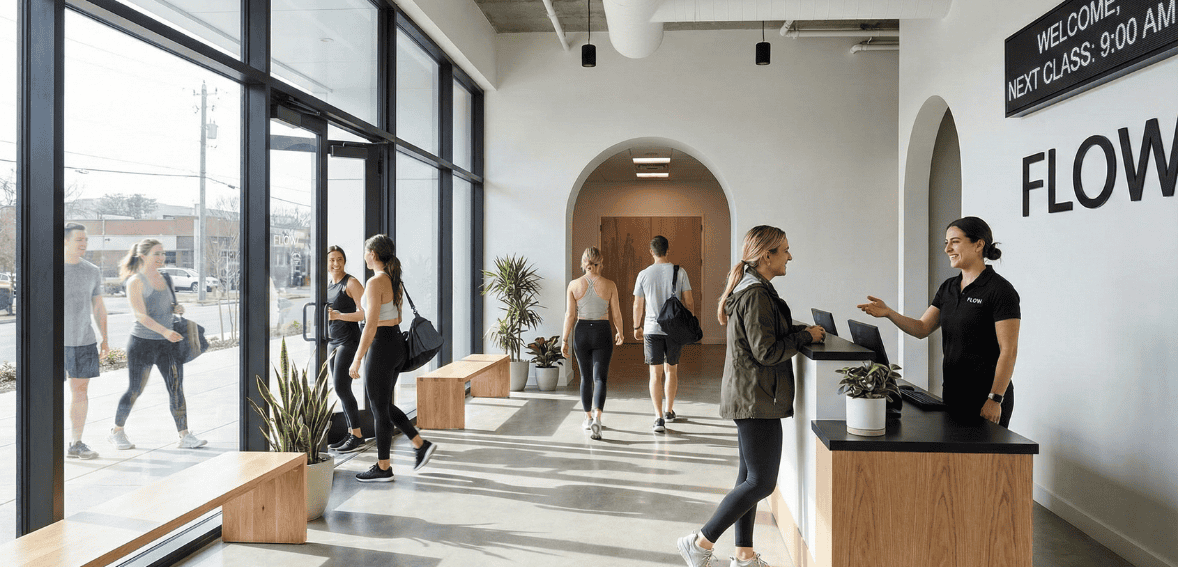
The 15 Minute Member Journey: Optimizing Studio Flow from Entry to Exit
Creating an outstanding guest experience inside a boutique fitness studio isn’t just about coaching quality or beautiful equipment; it’s about how members feel from the moment they step onto the property until they walk out the door. In the competitive modern fitness landscape, where customers have endless choices and short attention spans, the studios that thrive are those that know how to optimize the small but powerful transitions before and after every class. Every touchpoint shapes perception, from parking and entering the space, to check-in and settling into class, to cooling down and exiting again. When the entire experience flows smoothly and respectfully within a 15-minute window, members feel cared for rather than managed. And that feeling builds loyalty far more effectively than marketing campaigns.
The goal of this article is to explore how to optimize the fitness studio member experience through thoughtful planning, intentional operations, and design decisions that influence behavior. Efficient flow isn’t accidental; it is engineered through observation and empathy. When studios take time to map the complete journey, identify friction, and shape transitions, the business benefits in remarkable ways. Member satisfaction increases, staffing demands decrease, and operational bottlenecks disappear. A simple 15-minute experience becomes a carefully sculpted path that respects time, welcomes community, and supports revenue stability.
Mapping the Member Journey: From Parking Lot to Class Start
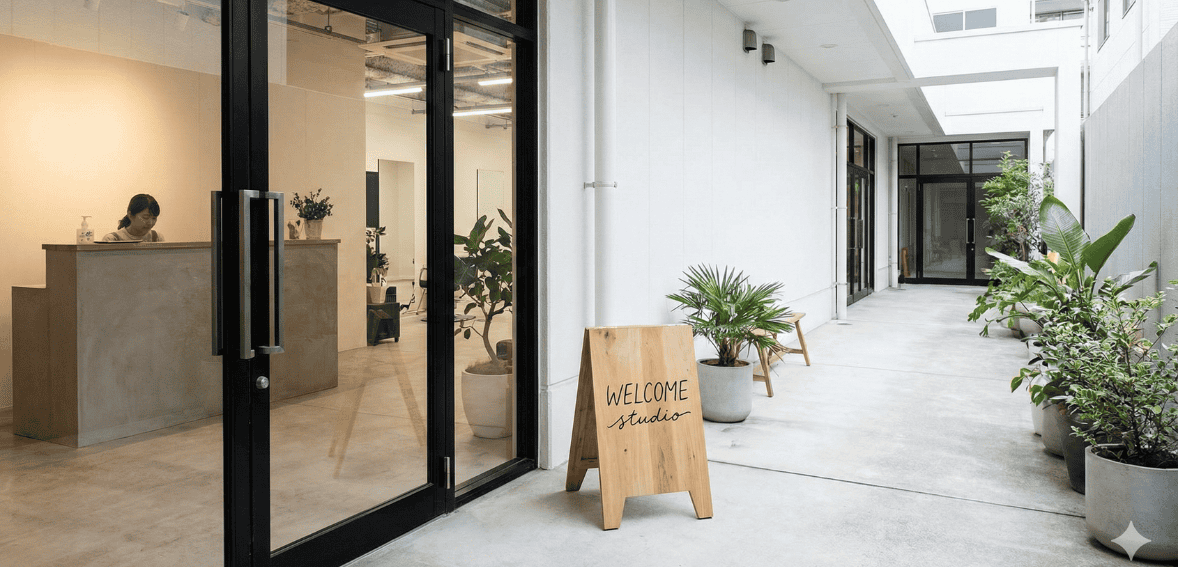
Before any workout begins, members are already forming judgments about the studio environment. The journey starts far earlier than most owners acknowledge. For many first-time visitors, uncertainty begins the moment they pull into the parking lot, unsure where to enter, check in, or store belongings. Returning members may feel frustrated when they encounter bottlenecks, lines, or unclear instructions. These early emotions influence the workout experience long before the coach speaks or the music starts.
Studios that excel at optimizing the fitness studio member experience view the arrival sequence as a choreography rather than a series of disconnected actions. They examine parking availability, entrance sightlines, signage clarity, and the pathway from door to check-in. Each step affects energy and confidence. Even a short delay at the front desk can feel much longer when anxiety is high. Members arriving in a crowded lobby or facing an unclear process immediately experience tension, which lingers throughout class. First-time members feel lost or intimidated if they must interrupt others to ask basic questions. Regulars feel irritated if routine steps become inconvenient.
This is why successful studios document the entire experience minute by minute, observing both first timers and long-term members. They watch emotional responses, not just time metrics. They identify unnecessary repeated actions and confusion points that erode trust. They separate the needs of new visitors, who require warmth and explanation, from those of established members, who want speed and autonomy. These insights enable studios to build pathways that feel intuitive rather than mechanical.
When the member journey is intentionally mapped, the space becomes welcoming rather than chaotic. Check-in feels seamless. Staff can focus on meaningful interactions instead of repetitive clarifications. Transitions move quickly without tension. The workout begins on a positive note, and satisfaction continues past the final stretch.
Technology and Touch: Balancing Automation with Human Connection
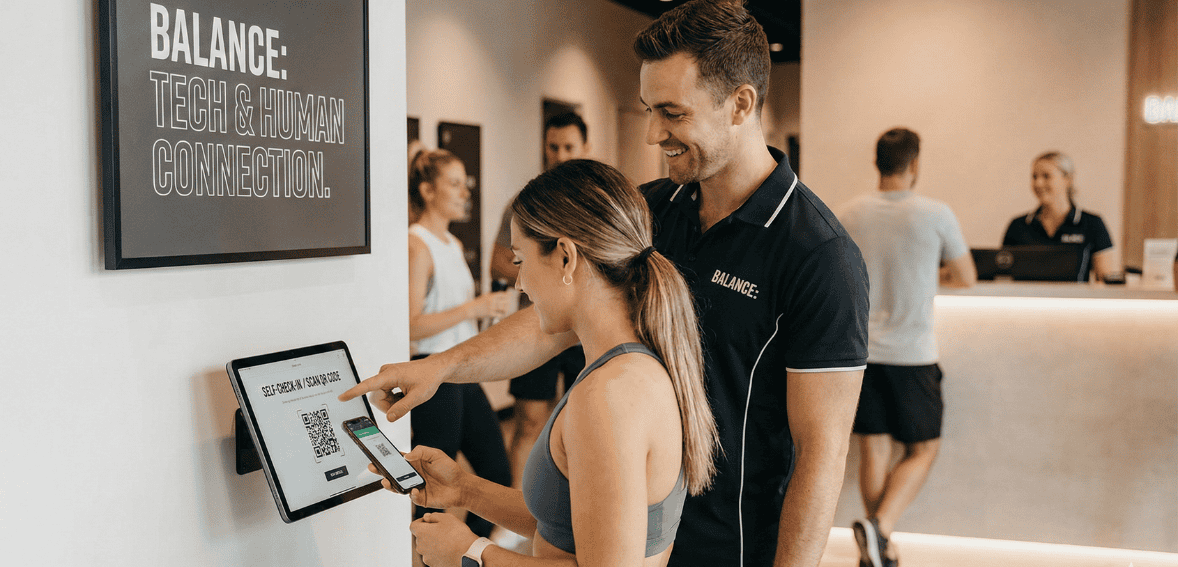
Technology can dramatically improve studio operations, but only when it complements rather than replaces genuine human interaction. Automating every step of the process may seem modern and efficient. Still, a completely automated environment can feel sterile and unwelcoming, especially in boutique fitness settings where community and belonging define the value proposition. On the other hand, relying solely on staff for every task leads to delays, inconsistencies, and employee fatigue.
The key is balancing automation with human presence so each touchpoint supports rather than overwhelms. A streamlined self-check-in process allows experienced members to move quickly without waiting in line, reducing congestion and front-desk pressure. However, first-time visitors may still appreciate guided assistance, explanation of policies, and a warm welcome that introduces culture. The art lies in using automation to handle predictable tasks such as scanning entry, class confirmation, or accessing waitlists while reserving staff energy for higher-value interactions like coaching guidance, building relationships, and resolving concerns.
Studios are optimizing the fitness studio customer journey map decisions based on members’ emotional needs rather than solely on technology. They recognize that members expect convenience, but they also crave connection. When technology removes friction, staff gain more capacity to listen, encourage, and build loyalty. When automation supports rather than replaces humans, the experience feels smooth rather than mechanical.
This delicate balance influences how members perceive the fitness studio as a whole. If automation feels cold or confusing, frustration grows. If staff interactions feel rushed due to operational strain, warmth is lost. The best environments integrate the two seamlessly, giving members choice, control, and comfort while maintaining efficiency.
Physical Flow Optimization: Layout and Design Decisions That Matter
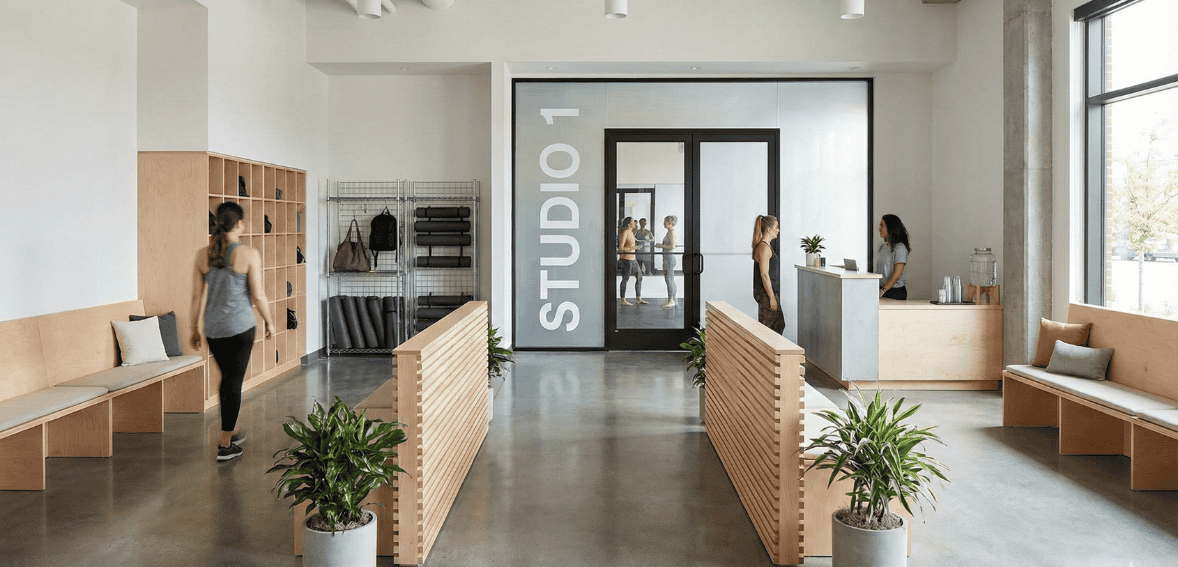
The physical environment communicates values before anyone speaks. The placement of the check-in station, changing areas, storage, and seating affects how movement unfolds. If members cluster around entrances or bottlenecks in narrow hallways, the space feels stressful. If locker areas are challenging to navigate or storage is insufficient, people feel disorganized and rushed. The psychology of movement matters deeply in shaping gym member experience optimization, especially within the small footprint’s standard in boutique studios.
Layout decisions should support natural progression: arrive, check in, transition, participate, exit. A well-designed lobby provides structure without congestion. Seating or standing room should be sufficient for early arrivals without blocking pathways for members leaving the previous class. Retail placement should be visible yet not obstructive. Water filling stations should be conveniently accessible without creating traffic jams. Mirrors and signage should orient movement without verbal explanation.
Changing rooms benefit from being close enough to support convenience but far enough from class entry to prevent crowding. Storage should be intuitive to find and access quickly. Clear visual cues reduce the need for instructions and help avoid confusion. Even flooring and lighting impact pace and emotional tone, with brighter spaces encouraging energy and darker spaces supporting calm transitions.
Studio layout for member flow also considers parking or entry timing, especially when multiple classes turn over quickly. A good studio anticipates which spots fill first, how members unload gear, and how long they linger in each place. When the physical environment supports instinctive navigation, members feel grounded and confident. When the space creates friction, time pressure, and discomfort, the workout experience is overshadowed.
The Emotion Curve: Understanding How Feelings Drive Loyalty

The 15-minute window surrounding every class contains the highest concentration of emotional influence on the member relationship. Stress and uncertainty at the beginning amplify pressure. Relief and accomplishment afterward reinforce a sense of belonging. The stronger the emotional arc, the deeper the loyalty.
Movement within the studio reflects more than logistics; it reflects identity. Members want to feel recognized, respected, and valued. They want entry to feel smooth, participation to feel uplifting, and exit to feel complete rather than abrupt. The emotional tone created within pre- and post-class transitions heavily influences whether a member returns eagerly or hesitates.
This is why fitness facility operations efficiency must include emotional design. Comfort reduces resistance. Clarity lowers anxiety. Familiarity increases confidence. A member who walks in and instantly feels settled is far more likely to engage consistently than one who repeatedly encounters confusion or tension. A member who leaves with a sense of closure and connection is more likely to return than one who exits in chaos.
Too often, studios invest heavily in coaching excellence and ignore flow management. But if poor flow creates anxiety before class, the workout itself feels less favorable, even if well-coached. And if the exit feels rushed or messy, the workout’s benefits fade quickly. By respecting emotional transitions, studios strengthen the psychological attachment that drives long-term retention.
The First Time Visitor vs the Established Regular
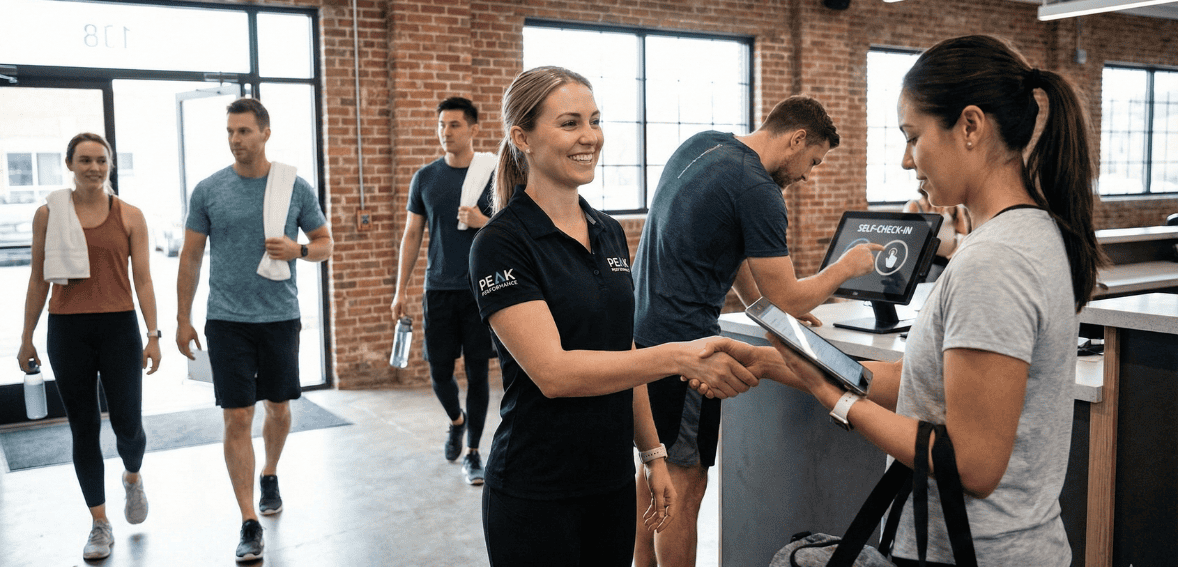
While returning customers desire efficiency and familiarity, first-time visitors need reassurance, guidance, and connection. Treating both groups identically creates dissatisfaction on both sides. Newcomers feel lost, and regulars feel burdened by unnecessary steps. To effectively optimize fitness studio member, experience flow, studios should design differentiated pathways that respect differing expectations.
New visitors often need more time to understand where to go, how check-in works, what equipment is required, and what etiquette is expected. A warm greeting and a guided walkthrough can make the difference between excitement and intimidation. Meanwhile, regulars can quickly scan and prepare uninterrupted. They appreciate autonomy, not repeated explanations.
This is why hybrid check-in environments work so well: self-service for those who don’t need help, and personal touch for those who do. Staff roles evolve from gatekeeping to relationship-building. Members feel seen rather than processed.
When studios recognize varied needs and shape experiences accordingly, flow becomes harmonious rather than conflicting.
Creating Rhythm and Predictability in Class Transitions
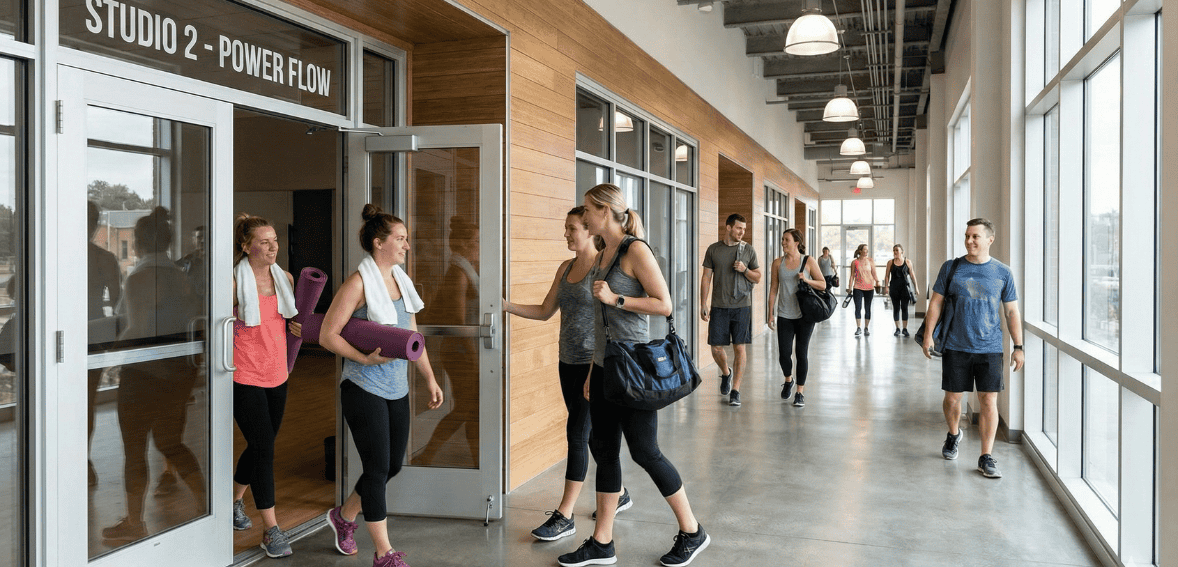
Moments between classes form the backbone of operational efficiency. When two groups of members overlap, one exiting, one entering the studio either flows smoothly or collapses into tension. Members should never feel like they are in each other’s way, being pushed through a funnel, or competing for limited space. A well-designed transition rhythm protects energy, time, and emotional comfort.
Predictable structure is the secret to consistent flow. When studios operate with reliable transition pacing, members intuitively know what to expect. The departure period, recovery and gathering time, reset and cleaning, and intake of the next group should unfold like a controlled sequence rather than a scramble. If transitions consistently exceed five minutes, or if members pile into crowded zones, the studio loses control of the emotional environment.
This rhythm contributes directly to gym member experience optimization because the tone set immediately before and after a workout shapes the overall perception of professionalism. Members do not evaluate studios by equipment quality alone—they evaluate by emotional friction. If every visit feels like chaos, stress replaces excitement. But when movement feels orchestrated and respectful, the member internalizes calm and confidence.
Flow becomes an invisible form of hospitality. It demonstrates foresight, care, and maturity in operations. It communicates to the member that their time, space, and comfort matter. In an industry where experience matters more than amenities, controlled transitions are among the strongest drivers of retention.
Post Class Movement: The Science of Letting People Breathe
Once a workout ends, energy shifts dramatically. Members transition from intensity to reflection. Their bodies cool and their minds open. This moment is psychologically powerful and deeply connected to loyalty. The way members exit physically and emotionally determines whether they leave feeling accomplished or rushed.
Studios optimizing fitness studio member experience flow treat the post-class period with intention. They create gentle exit pathways that give members time to cool down, gather belongings, hydrate, and re-engage socially without blocking others. Rushed exit processes irritate because they interrupt the emotional closure that exercise naturally creates. If members feel pushed out, the workout ends abruptly, and the studio can feel transactional.
At the same time, unmanaged loitering can disrupt the flow of incoming groups. Studio design must support transition time without becoming stagnant. Thoughtful seating placement, widened exit corridors, or designated cooldown spaces reduce pressure. Subtle cues such as lighting adjustments, music shifts, or staff presence create natural movement without confrontation.
The psychology is clear: people are more willing to move forward when they feel guided rather than forced. When flow is maintained sensitively rather than aggressively, members leave on a high note. And leaving on a high note is one of the most significant predictors of return behavior.
Staff Dynamics and Their Influence on Member Flow
Even the best layout fails without the right staff pacing and awareness. Employee movement sets the tone for member movement. When staff appear rushed, stressed, or overloaded, members absorb that urgency. When staff are calm, observant, and engaged, the environment feels stable and welcoming.
Staff at high-performing studios intuitively understand the rhythm of transitions. They anticipate bottlenecks, redirect traffic before friction arises, and use body language to communicate pace. They multitask without appearing overwhelmed. They know when to speak and when to retreat. Their presence supports flow rather than disrupting it.
To strengthen fitness facility operations efficiency, successful studios train staff to manage spatial awareness as a core skill. Employees learn to read traffic patterns, position themselves strategically, and prepare spaces before transitions occur. They understand that operational excellence is as important as coaching excellence, because it protects experience before and after class.
Great staff never interrupts momentum; they guide it. They minimize unnecessary conversation when the studio is complete, but they expand conversation when emotional connection matters more. They help direct movement without force, using confidence rather than control. And ultimately, they understand the difference between managing people and supporting their journey.
Culture, Connection, and the Invisible Design of Community

Flow is more than logistics; it is culture. When movement inside the studio feels natural and pleasant, people feel part of something bigger than themselves. When flow feels chaotic or stressful, people feel like outsiders navigating a puzzle. Culture is built not only through branding and coaching, but through shared rhythms and comfortable social patterns.
Community building that forms in micro-transitions those few minutes before and after class when members talk, connect, and build relationships that anchor commitment. A studio that supports conversation strengthens a sense of belonging. A studio that accidentally suffocates interaction weakens emotional connection and increases churn.
Supporting the community does not mean allowing crowds to form anywhere. It means creating zones where connection can flourish without interfering with others. It means designing a space where people naturally gather without blocking essential paths. It means establishing norms of respect around time and movement.
When culture supports flow and flow supports culture, the environment becomes magnetic. Members feel seen, supported, and emotionally attached. They return not just for exercise, but for identity.
Conclusion
Member experience in a boutique fitness studio does not begin at the start of class or end with the final cooldown. It is shaped in the small spaces around the workout, especially inside the critical 15-minute window surrounding arrival and departure. Studios that intentionally optimize fitness studio member experience flow create environments that feel effortless, welcoming, and emotionally aligned with member expectations. They understand that comfort, clarity, and rhythm matter as much as equipment and programming.
Mapping the journey, balancing technology with human presence, designing efficient physical flow, refining transitions, and supporting emotional closure all contribute to an environment that feels professional yet warm. When flow is intentional, member satisfaction grows, operational strain decreases, and long-term loyalty becomes the natural outcome.
The studios that master these elements are not simply managing bodies; they are guiding experiences. And in a landscape where choice is abundant, experience is the true competitive advantage.
FAQs
Should I have front desk staff or rely on automated check-in?
A balanced approach works best. Automation supports speed and reduces congestion, while staff interaction builds community and provides guidance. Hybrid systems allow regular members to move quickly and first-time visitors to receive personal support without slowing the line.
How early should members be allowed to arrive before class begins?
Lobby capacity, transition needs, and cultural expectations shape arrival timing. Many studios find that a 10–15-minute window supports community building without overwhelming space. Clear communication helps maintain consistency and prevents unnecessary crowding.
What is the ideal check-in experience for new visitors versus regular members?
New visitors typically benefit from guided onboarding and orientation, while regular members value speed and autonomy. Differentiated pathways ensure efficiency without sacrificing hospitality or clarity.
How can studios reduce post-class loitering without making people feel rushed?
Subtle design cues, staff presence, and organized movement help guide exit transitions. Offering comfortable but time-sensitive gathering zones and communicating expectations respectfully maintains flow without confrontation.
What technology features are most effective for improving member flow?
Mobile check-in, capacity notifications, waitlist automation, and real-time access control support operational efficiency. Data insights help refine traffic patterns, staffing decisions, and transition structure for smoother member experiences.