

Scaling Up: What It Takes to Open a Second Studio
For studio owners, opening a second studio is an essential step that marks a transition from mere survival to achieving sustainable growth. A new fitness studio often seems like the logical thing to do if classes are full and there is a strong demand, but the growth in this case needs a lot more than just confidence and momentum when opening a second studio. The shift from controlling one location to running two brings new financial burdens, operational intricacies, and management trials that might either fortify or decimate the enterprise. This blog outlines the preparations that U.S. studio owners must make before expanding, ways to mitigate risks, and the systems that are necessary for long-term success when opening a second studio.
Understanding If Your Studio Is Truly Ready

Before committing to expansion, studio owners must evaluate whether their current business can support growth before opening a second studio. Many studios appear successful on the surface but lack the stability needed to handle a second location. Readiness is measured through consistency rather than enthusiasm or short-term wins when planning to open a second studio.
Financial Stability Comes First
Your first studio should demonstrate steady profitability over an extended period before opening a second studio. Thus, it signifies a consistent and predictable monthly income, controlled costs, and the ability to withstand seasonal downturns without financial stress. If your gym offers frequent discounts, flash sales, or continuous advertising just to stay afloat, then opening a new site will most likely lead to a risk increase rather than a profit. A solid fiscal base secures the situation where the launch of a second gym does not put an undue strain on the two locations at once when opening a second studio.
Operational Independence Matters
A studio that depends entirely on the proprietor for daily activities is not ready for growth or for opening a second studio. The processes of scheduling, payroll, invoicing, instructor coordination, and communication with members should be smooth and free from the need for ongoing oversight. When processes are written down and can be practiced again, the small step of expansion becomes a tolerable one when opening a second studio. However, in the case of no systems, the growth comes to chaos, being louder than before, and vice versa for the quality of service.
Personal Readiness Is Often Overlooked
Expansion requires a shift in mindset, especially when opening a second studio. Studio owners must be prepared to lead rather than control every detail. After all, people management, resolving complex issues, and pressure-laden strategic decision-making are daily duties. If exhaustion is already close, turning up the volume not only amplifies it but also makes it more difficult to come up with a solution during the opening of a second studio.
Setting a Clear Expansion Objective

Opening a new branch without a specific intention will mainly result in a lack of understanding and a mismatch among the involved parties when opening a second studio. It is often the case that the decision to have more outlets comes from the company reacting to the market instead of being the other way round. When your objective is clear, it will be easier to make decisions concerning the site, the number of employees, the price policy, and the timing while opening a second studio.
While some studio proprietors go for expansion in order to generate more money, others prefer to strengthen their brand position or build their assets for the long run through opening a second studio. Each of these targets demands a different method. A fast break-even point is the main focus of a revenue-oriented expansion, while the brand-oriented growth is mainly concerned with getting the company well-known and being consistent. Also, clear objectives set the yardsticks for success, so the owners can assess their performance in a very practical way when opening a second studio.
Selecting the Right Location for Growth

The picking of a location is very important to the success of your second studio when opening a second studio. Even strong brands find it difficult to survive if they are situated in the wrong market. It is advisable to use data rather than convenience or emotion as the basis for your decisions.
Market Demand and Member Data
Existing member data often reveals natural expansion opportunities when opening a second studio. Analyzing where members live and commute can help identify underserved areas with proven demand. Expanding too close to your first location can divide your audience, while expanding too far can stretch management capacity.
Demographics and Accessibility
The surrounding population must align with your studio’s pricing and offerings when opening a second studio. Income levels, lifestyle habits, and age demographics influence membership success. Accessibility also matters. Parking, visibility, and ease of access directly impact retention and new sign-ups. Careful second studio location planning reduces the risk of opening in an unsuitable area when opening a second studio.
Creating a Practical Financial Plan

The financial burden of growing a business is often underestimated by the owners of many studios when opening a second studio. Hidden costs that were not anticipated often occur months after the opening, besides the construction and equipment.
Costs for Startup and Operations
All the above-mentioned activities—lease deposits, renovations, equipment purchases, licensing, and marketing—demand an upfront investment when opening a second studio. One more unnoticed expense is pre-opening payroll, particularly when staff are trained before the actual opening. Besides, owners need to take into consideration continuous expenses for the initial months when revenue is not yet strong.
Cash Reserves and Funding Options
Operating reserves protect both locations during the stabilization phase of opening a second studio. It typically takes a number of months for the majority of second studios to become consistently profitable. Various funding methods might consist of putting back the profits, obtaining loans, or bringing in outside investors. Every alternative has its own disadvantages in terms of control and financial burden. Thoughtful planning prevents cash flow issues from disrupting operations when opening a second studio.
Developing Scalable Systems

Systems are the major support of successful growth when opening a second studio. They make the process of becoming larger and managing easier, but with them, growth will be inconsistent and hard to control.
Standardizing Daily Operations
Class scheduling, instructor management, billing policies, and member communication should be implemented with the same criteria at all sites when opening a second studio. Uniformity guarantees that customers will have the same experience no matter what location they attend classes. The use of technology is very important, as it consolidates operations and minimizes manual labor.
Documentation and Process Clarity
Every recurring task should be documented clearly when opening a second studio. Written procedures reduce training time, minimize errors, and allow managers to operate independently. Strong systems support fitness studio expansion by ensuring stability as the business grows.
Hiring and Leading the Right Team

People determine whether your second studio thrives or struggles when opening a second studio. Expansion requires leadership roles that did not exist with a single location.
Developing Management Structure
A reliable studio manager or lead instructor helps maintain daily operations while the owner focuses on strategy during the opening of a second studio. Promoting from within often works well because existing staff understand the culture and expectations.
Training and Communication
Standardized onboarding ensures consistent service quality when opening a second studio. Clear communication becomes more important as teams grow across locations. Regular meetings, defined responsibilities, and feedback systems help maintain alignment and accountability across teams involved in multi-location studio management.
Maintaining Brand Consistency

Brand trust depends on consistency when opening a second studio. Members expect the same atmosphere, service quality, and professionalism at every studio.
Visual branding should remain familiar across locations, including interior design and online presence. Service standards matter even more. Instructor quality, customer interactions, and studio policies must align to avoid confusion or dissatisfaction.
Marketing the Second Location Effectively
Marketing a second studio differs from launching the first when opening a second studio. It is a good idea to make the most of and use existing brand awareness in the process of connecting with a new community.
In the case of announcing the new location to current members, they will feel excited and committed to the brand during the opening of a second studio. Local collaborations combined with specific advertising allow the new studio to be recognized by new customers without heavily relying on price reductions. Membership in the form of long-term and value-sharing instead of short-term specials represents a real and sustainable growth.
Changing Operator to Leader
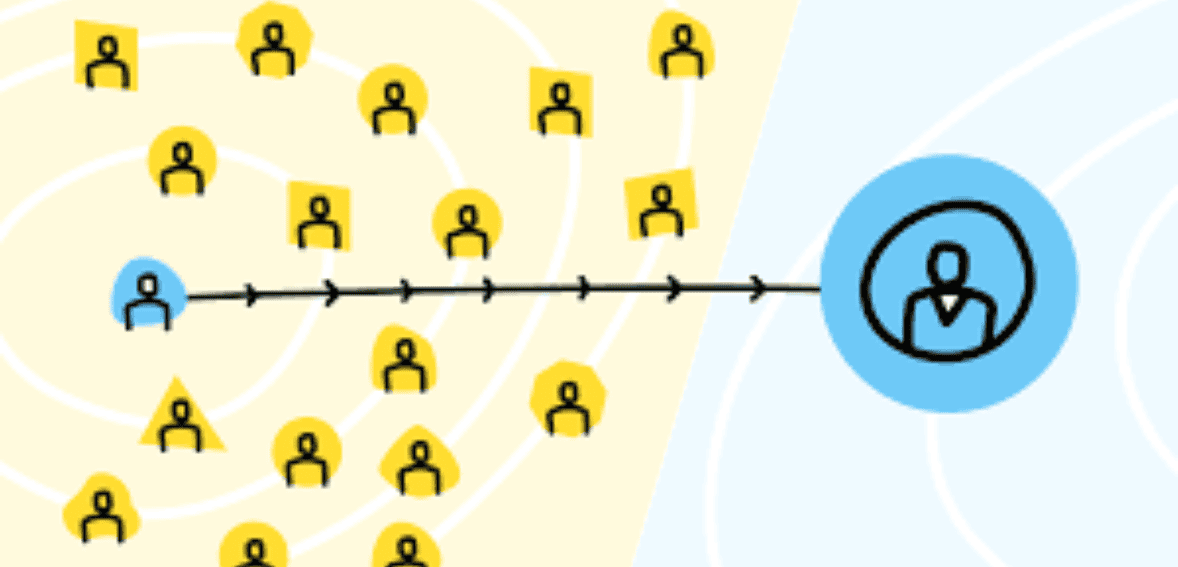
One of the most difficult transitions for studio owners is stepping back from the daily operations when opening a second studio. Following the main steps of expansion, trust and delegation are necessary.
Clear assignments to every worker cut down the misunderstandings and gave power to the employees to act as if they were the owners. Managers who meet regularly with their staff, practicing continuous communication, take the place of those who control every step of their workers. As the tasks are divided among the workers, the owners start to occupy the position of a leader who concentrates on the aspects of growth, systems, and long-term planning. This transition is very important in the case of successfully opening a second studio.
Avoiding Common Mistakes of Expansion
Many mistakes made in expansion are predictable ones that result in extensive failures when opening a second studio. The major reasons for detouring a mess are rapid growth and the underestimation of complexity and data. Generally, expansion leads to more workload than expected during the initial months. Keeping metrics like retention, revenue per member, and utilization under control is one of the ways owners can make informed decisions during the responsible scaling of a fitness studio.
Planning for Long-Term Growth

The second location is not the final destination after opening a second studio. It serves as a test of scalability. Lessons learned during this phase shape future decisions and strengthen the overall business.
Some owners refine their fitness business growth strategy and stop at two locations, while others continue opening multiple fitness studios over time. Both paths are valid when supported by strong systems, leadership, and financial discipline.
Conclusion
Opening a second studio is not only a matter of financial resources but also a decision that requires proper planning, waiting, and being clear. A company’s success does not depend solely on fast-moving but also on systems that are strong, empowered staff, and decisions made on data. If the expansion is well thought out, the second site can make the brand stronger, the business more stable, and the future full of growth and impact opportunities.
FAQ
How do I know if opening a second studio is the right time?
You are ready when your first studio has a steady income and quality management to the point that you are not always needed to be present. The presence of robust systems, coupled with a steady cash flow, is a prime indicator that you are good to go.
How much capital is typically needed to open a second studio?
Prepare for build-out, equipment, marketing, and multiple months of operating expenses as costs. Having financial reserves around the new studio will be a safety net for you in the initial period when the studio is still not busy.
Should the second studio offer the same classes as the first location?
Offering the same primary classes will be the best for brand recognition and lessen the burden of administration. Options can be offered based on local demand, but still won’t be different for the customer.
How long does it take for a second studio to become profitable?
Most studios are financially stable within a period of six to twelve months, influenced by marketing, staffing, and local demand. Planning with realistic timelines cuts down the risk and the worry.
What is the biggest risk when expanding to a second location?
Going for the second location without a definite system or enough financial reserves to cover the operational and cash flow problems will be the most significant risk. Good preparation is a prerequisite for success.