

Omnichannel Messaging in 2026: SMS vs RCS vs WhatsApp vs Push for Studio Notifications
In 2026, studio owners must choose between SMS and RCS for appointment reminders. The fitness industry requires quick communication to operate its fitness studios, yoga studios, dance academies, and wellness centers. When a member forgets a class, the studio loses attendance and revenue. A simple reminder can prevent that problem.
For many years, studios used SMS as their primary channel for sending reminders. SMS works on almost every mobile phone, which makes it a reliable reminder channel. Messaging habits have evolved, and studios now have access to richer communication channels such as RCS messaging, messaging apps, and mobile app notifications.
The platform enables studios to create automated member communication systems. The process of sending a reminder begins with determining which notification method needs to be selected. SMS and RCS systems for appointment reminders allow studios to send automated messages at the right time through the right communication channel.
The guide demonstrates how studios utilize SMS, RCS, WhatsApp, and push notifications for their communication needs. The guide explains performance measurement methods and shows how to create a messaging plan that boosts attendance numbers and retains member interest.
Notification Goals by Lifecycle Stage

Every studio notification serves a different purpose. The member journey needs messages that correspond to their progress from booking through follow-up.
Booking Confirmation
The first message is usually a confirmation. Members who book a class need confirmation that their reservation succeeded. The confirmation message needs to arrive immediately with a complete view of the class details, which include name, time, and location.
SMS functions as an effective confirmation tool because it allows users to receive messages without needing internet access or app installation. This reliability is one reason studios still rely heavily on SMS messaging.
Class Reminders
Reminders help reduce no-shows. Most studios send reminders one day before the class and again one hour before the class begins. The reminders assist members in planning their schedules, which enables them to reach their destinations on time.
At this stage, many studios compare SMS vs RCS for appointment reminders to decide which option improves engagement and attendance.
Follow-Up Communication
Studios usually send a follow-up message after a class ends. The message might ask for feedback while suggesting another class and promoting a membership offer.
Richer messaging channels often perform better here because they support links, images, and quick replies.
Channel Capabilities Comparison
Studios now have several messaging channels available. Each channel offers different capabilities and works best in different situations.
SMS
SMS serves as the most widespread communication method because it exists. Almost every phone in the world supports SMS messaging. SMS works across almost every mobile phone, which makes it a dependable option for important reminders.
When studios evaluate SMS vs. RCS for appointment reminders, SMS continues to be the safest option when device compatibility is unknown. The system delivers messages to users who can read them without difficulty.
SMS messages allow users to send only basic text content and hyperlinks. The system does not permit users to send visual content or interactive elements.
RCS Messaging
RCS functions as the advanced version of SMS text messaging. The system enables businesses to deliver multimedia content through their clients’ standard text messaging programs.
RCS business messaging enables fitness studios to send their customers messages with visual content, class information, location maps, and attendance confirmation buttons. Members can tap a button to confirm their attendance or ask a question.
These features make reminders more engaging and easier for members to respond to.
WhatsApp Messaging
Businesses use messaging applications as their primary method of customer communication. WhatsApp ranks as one of the most widely used messaging platforms.
Studios can send WhatsApp Business notifications to confirm bookings, send reminders, and share updates with members. The system lets users send messages that contain visual content, audio content, and interactive components that create a conversational atmosphere.
The business requires members to download the application before they can choose to receive business messages.
Push Notifications
Studios send push notifications directly to members through their mobile apps. Users receive these alerts on their mobile devices even when the application remains closed.
Push notifications provide a fast way to send instant alerts to members through their mobile devices.
SMS vs RCS for Appointment Reminders in Modern Studio Communication
The debate between SMS and RCS for appointment reminders remains active because both messaging systems deliver significant advantages.
The universal reach of SMS enables its operation on nearly all mobile devices without needing internet connectivity. The reliable nature of SMS makes it essential for studios to use this system for their most important notifications.
RCS messaging enables users to send more advanced messages. Users can send messages that include images and prewritten responses, and they can use confirmation buttons to directly interact with the reminder message.
Studios find that using both communication methods together works best for their needs. Studios use SMS as their primary communication method, which they use when members lack access to advanced messaging capabilities.
RCS Universal Profile and Its Supported Functions
The global mobile communications organization GSMA controls the RCS messaging development process. The GSMA created the RCS Universal Profile as a standard to achieve consistent performance between different mobile networks and devices.
The Universal Profile defines how RCS messaging should function across carriers and smartphones. The system enables companies to deliver rich messages that maintain uniformity throughout various network connections.
The standard enables studios to deliver messages that contain high-quality images, suggested replies, and interactive buttons. Verified business messaging also helps members trust the message they receive.
RCS messaging provides users with a more interactive experience than standard SMS while operating on all compatible devices.
WhatsApp Business: Strengths and Constraints
Messaging applications serve as essential tools for conducting communication in contemporary society. Businesses today utilize messaging systems to establish customer service interactions that mimic natural dialogue.
Studios can send WhatsApp Business notifications to confirm bookings, remind members about classes, and share important updates. The messages permit users to send multimedia material and to use buttons that enable them to respond.
The conversational style of messaging creates an environment that encourages members to answer more quickly. However, there are also limitations. Members must opt in to receive business messages, and companies must follow messaging template guidelines when sending notifications.
Studios can still use messaging applications for communication purposes because their members stay actively involved with their services.
Push Notifications: When Apps Win
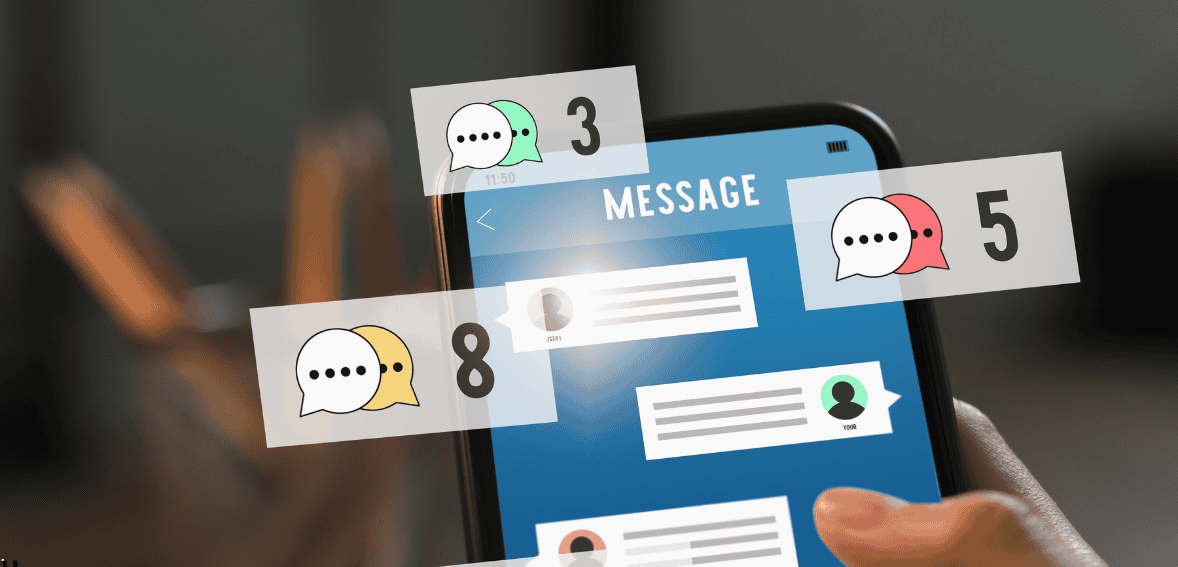
Push notifications are messages sent through a studio’s mobile app on Apple and Android devices.
The notifications show up on the device through its lock screen and notification center system. The push notification system serves as the perfect method to deliver urgent information because it provides users with immediate access to updates.
The push notification strategy needs to be developed according to its value delivery requirements, which should determine when to send notifications. The studios use notifications to inform members about waitlist openings and last-minute class changes.
Members will maintain their notification settings active when they receive relevant information at the correct time.
Instrumentation: Measuring Notification Success
The communication strategy requires more than sending messages because studios need to assess which communication channels deliver optimal results.
One of the most important metrics is delivery rate, which shows how many messages successfully reach member devices. The time-to-deliver measurement shows how fast messages reach their destination after being sent.
The open rate measurement procedure enables studios to determine the number of members who read their messages. The click rate measurement shows how many members interact with active links and buttons located within the message.
Studios must monitor the conversion process because it requires tracking multiple activities. This may include class attendance, membership renewals, or new bookings. The studios use message deliverability metrics to develop better communication methods, which lead to higher audience participation.
Compliance Basics and Consent Capture
Studios need to comply with messaging rules, which they must follow before sending member reminders. The main requirement states that members must give explicit permission before any SMS, RCS, or messaging app alerts can be sent to them.
Customers who create accounts or book classes through website forms usually become members because they want to receive program updates. The studio should use this moment to inform the member about upcoming appointment reminders, which will be sent through messaging channels.
The studios must create easy opt-out methods, which they must include in their communication. Members should have the ability to stop all notifications when they decide to stop receiving reminders. This establishes trust between the parties while maintaining polite communication.
The best practice requires studios to establish quiet hours. Studios must stop sending their messages after midnight until the early morning hours. Sending reminders at appropriate times improves engagement and prevents notification fatigue.
When studios manage consent correctly, they can confidently use SMS vs RCS for appointment reminders while protecting the member experience.
Playbooks for Common Studio Notifications
Studios send various notifications throughout their operating hours. The correct channel selection process will enhance the effectiveness of their messages.
Appointment Reminders
Studios consider reminders to be their most critical notification type. SMS serves as the most secure method because it functions with nearly all mobile devices. RCS messaging enables members to attend confirmations through interactive buttons.
Waitlist Alerts
Push notifications serve as the most efficient method to deliver waitlist alerts because they deliver messages without delay. Members can respond immediately after a spot in the class opens up.
Schedule Updates
Studios need to share instructor and class cancellation information through their urgent communication channels. The majority of studios use both SMS and push notifications to guarantee that their members will get important updates.
Post-Class Follow-Ups
Studios send feedback requests to students through their messaging applications after their classes finish. The current stage of communication requires interactive exchanges, which messaging applications provide.
Conclusion
New messaging channels keep appearing, which drive changes in studio communication methods. The only dependable method for sending reminders to studios in previous times was SMS. Studios today have multiple communication methods to contact their members.
Studios need to understand the differences between SMS and RCS so they can select appropriate tools for their specific needs. SMS remains universal and dependable. RCS adds rich messaging features that increase engagement. Messaging applications enable users to engage in discussions, while push notifications provide immediate notifications through mobile applications.
Successful studios employ an omnichannel messaging strategy that integrates various communication channels. When the right message reaches the right member at the right time, attendance improves, members stay engaged, and studio operations run more smoothly.
FAQs
What is RCS Universal Profile?
The GSMA developed the RCS Universal Profile as a standard that defines messaging for RCS mobile networks and devices to maintain consistent message delivery.
What did Universal Profile 3.0 introduce as its new features?
Universal Profile 3.0 introduced improvements that required end-to-end encryption support and enhanced messaging compatibility with other systems.
Is SMS going away?
No, SMS remains popular because it functions on nearly all mobile devices, while users do not need internet access.
How do we prevent notification fatigue?
Studios can reduce fatigue by offering users control over their notification preferences while they respect designated quiet times and they send messages that actually provide value.
What metrics matter for notifications?
The essential metrics for notification systems include delivery rate, time-to-deliver, opt-out rate, and how notifications affect class attendance and member engagement.