

Member Retention Playbook: How to Keep Clients for 12+ Months
Have you ever felt frustrated seeing your customers come with excitement and then drift away? Then this is exactly what happens when you don’t look into the customer retention playbook, and you are not the only one. Attracting new customers and retaining the old ones is the biggest challenge any organization faces.
A good client retention strategy helps turn one-time clients into loyal and permanent ones, not by locking them in but through consistency. As the process to retain the customers is applied correctly, they willingly wish to stay for 12+ months. This written piece will help you break down the client retention strategies and boost engagement with the customers. Reduction of churn with these practical tactics builds a strong foundation for a successful business.
What Is Customer Retention and Why Does It Always Beat the Acquisition?

Customer retention is the ability to keep the existing clients of a company over time. This depends on building trust, creating a good experience, and consistency in delivering value and services. This results in the continuation of buying or using the services over a longer period of time.
Retaining customers is one of the essential indicators for a healthy business. They are more cost-effective. The cost to add new members is far more than continuing with the old ones. An effective retention playbook maximizes the return of old customers. Clients for more than 12 months help in creating a stable and increased profit. A long-term relationship with customers builds trust, adds permanent value, and has zero acquisition cost.
Also Read: The Referral System That Generated 127 Members in 12 Months (Without Discounting)
Tips to Retain Clients for 12+ Months
Retention strategies that leverage the organization and increase customer retention for a successful business are as follows:
1. Understanding the True Drivers of Retention Playbook
Understanding why a customer leaves before creating a retention playbook is crucial for success in your business. A lot of customers will tell you they left due to dissatisfaction with your product. However, dissatisfaction usually comes from a perception of a misalignment between the value delivered and the fees charged due to poor communication.
Many retention challenges start at the onboarding stage if the customer does not achieve some sort of success or “win” in their first thirty days with your company. If you continuously provide poor service through delay in delivering services, unresponsive account managers, or provide little to no communication, you are going to lose that customer due to a lack of trust or faith.
2. Build a Strong Onboarding Foundation
Onboarding is a process to retain members, and it should begin on day one of their membership. Establishing expectations and momentum through a structured onboarding experience will guide new members into becoming committed members who feel confident that they are achieving their goals in the short term.
In addition to creating clear expectations for each day’s milestones, it is necessary to reduce the uncertainty of how each client is progressing through the onboarding experience. Personalizing the onboarding experience will increase the likelihood of long-term member engagement and help members feel as if they are receiving support and understanding their membership from day one.
3. Deliver Consistent and Visible Value
Due to consistently providing value and making sure clients see that value, retention is reliant upon that delivery of value. By consistently reinforcing the outcomes from the original commitment (e.g., hours saved, revenue increased, problems solved), you help your members associate the benefits with their investment.
In order to achieve long-term member retention, continuing to have members engage by providing updates, enhancements, and/or new services all contribute to maintaining long-term member retention. The sustainable retention playbook is also dependent on a consistent approach of no over-promising and providing consistent and repeatable value delivery.
4. Strengthen Communication Without Overwhelming Clients
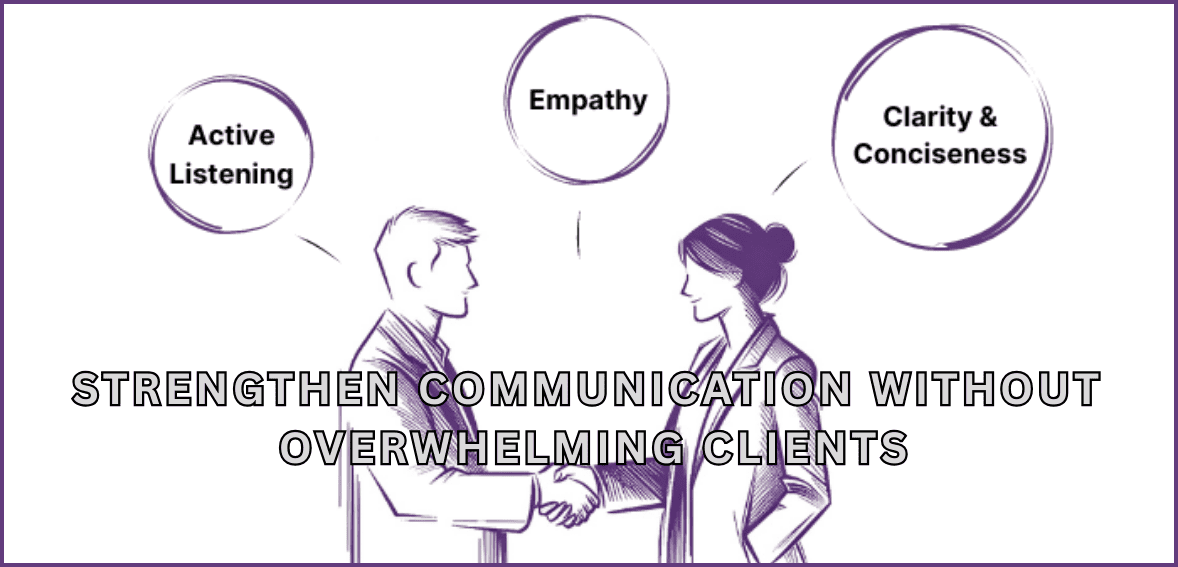
Excessive communication leads to fatigue and uncertainty caused by silence. Establishing regular touchpoints (check-ins, updated statuses, and reviews) creates confidence for your client base while not overwhelming them. Using multiple communication channels (email, in-app messaging & live calls) at strategic intervals also helps you to communicate promptly.
The organization should be using feedback loops to listen actively to build trust and avoid clients from having any issues that may cause them to stop doing business with the company.
5. Build Relationships, Not Just Transactions
When clients develop a personal connection with a business, they are more inclined to remain loyal. Having a designated contact person creates an ongoing bond of trust between a company and its clients. For example, creating a positive experience by celebrating milestones (such as anniversaries) can help continue to build loyalty and appreciation for your company.
This can include creating opportunities for clients to connect with other members. Therefore, the company will create ways for clients to become emotionally invested in your brand and continue to engage with each other and your brand over time.
6. Use Data to Predict and Prevent Churn
The most successful customer retention strategies are proactive rather than reactive in nature. By tracking a member’s usage frequency, adoption of features, and responses, you can identify potential problems with the relationship before they become serious (i.e., “early warning signals”).
Using member segments based on either behavioural or lifecycle stages allows for a more focused application of client retention playbook strategies that will improve overall results. Additionally, it’s important to act before a member becomes dissatisfied, as this significantly reduces the chances that they will leave.
7. Offer Flexible Plans and Pricing Options
Strictly defined pricing models typically harm customer retention by driving them to look outside for other options. A flexible approach allows customers to upgrade, downgrade, or change their plan based on how they are using the service in order to optimize long-term retention and build trust.
Using discounts consistently can diminish a company’s value proposition. The primary goal of a strong retention playbook should be to reinforce the value proposition. Offering loyalty programs such as exclusive access or premium support helps build loyalty and strengthen the customer’s commitment without losing value.
8. Elevate Customer Support as a Retention Playbook Tool

Although most people think of customer service as a cost centre, it can also drive retention through providing excellent customer service. Good, fast, and concise responses to customer inquiries prevent small issues from causing customers to leave your company.
When support teams are properly empowered and trained, they can create positive customer interactions that help to create a long-term customer relationship. Reassuring customers through communication once their issue has been resolved helps to build customer confidence and reinforces your company’s trust with that particular customer.
9. Continuously Educate Your Members
Continual education keeps members connected and helps reduce the causes for customer drifting. Educative tutorials, webinars, retention playbook, and guides allow customers to obtain deeper value from their products over time. Showcasing underutilised functionality allows members to receive complete benefit from their products for which they are paying.
When organisations position themselves as trusted partners rather than merely service providers, they have increased chances of being able to retain customers.
10. Re-Engage Inactive Members Strategically
Not all lack of engagement is due to dissatisfaction. Often, it just means that customers have become busy. More effective than sending out general reminders are targeted re-engagement efforts that focus on the specific value gap(s) to the customer.
Successful re-engagement efforts place the emphasis on delivering value and providing support instead of putting pressure or urgency on the client. In some instances, the retention playbook improves simply by asking clients what we can do to help them succeed.
11. Measure What Matters in Retention
For successful retention playbooks, metrics must be tracked effectively. Key metrics such as the retention rate, the churn rate, the customer lifetime value, and the frequency of engagement with your customers provide important information about what’s working and what needs improvement.
By reviewing your retention performance periodically, you can be sure that you are continuously evolving your retention strategies to meet your clients’ expectations and align with your business as it grows.
12. Build Retention Playbook into Company Culture

Retention playbook is a mindset shared amongst all teams in a company. It is the job of sales, onboarding, support, and product teams to understand how they each contribute to long-term member engagement.
Understanding the factors that lead to retention success increases their ability and motivation to hold themselves accountable. When leaders show a commitment towards retaining their customers, they create a customer-centric culture that inherently reduces the retention rate.
Conclusion
Keeping your customers for more than 12 months has nothing to do with any deception or forcing them to stay with the company. It is all about creating a foundation for the business with its good consistency and ongoing support services. When the clients experience progress and respect, they keep on coming. By focusing on creating a strong onboarding program, retention playbook, and understanding the customer’s experience, while helping them to see the value quickly.
You don’t have to adapt every strategy all at once. So, start with the ones that feel most effective for the growth of the business. Hence, clients feel connected, recognized, and experience support that will build a community that lasts long while giving the customers a chance to stick around.
FAQs
What is a retention playbook?
A retention playbook is an organized document that identifies strategies, processes, and actions for engaging customers and retaining them for long periods of time.
Why is customer retention more important than customer acquisition?
Customer retention will cost less to achieve than customer acquisition and provide you with significant long-term customer value, predictable revenue, and a loyal brand.
What are the most effective client retention strategies?
Customer retention strategies that are generally most successful include a strong onboarding experience, continuous delivery of value, personalized communication, proactive support, flexible pricing options, and ongoing education.
What are the economic ways to retain customers?
The economic retention strategies include personalised communication, partner discounts, referral programmes, and digital self-service. Retaining clients is much cheaper than attracting new members.
How long does it take to see results from a retention playbook?
Improvements in retention can often be identified within the first 30–60 days after change. However, the greatest increases in retention playbook usually take 3 or more months, as engagement, trust, and the ongoing delivery of value to customers and members build up over time to be a valuable long-term customer and member.