
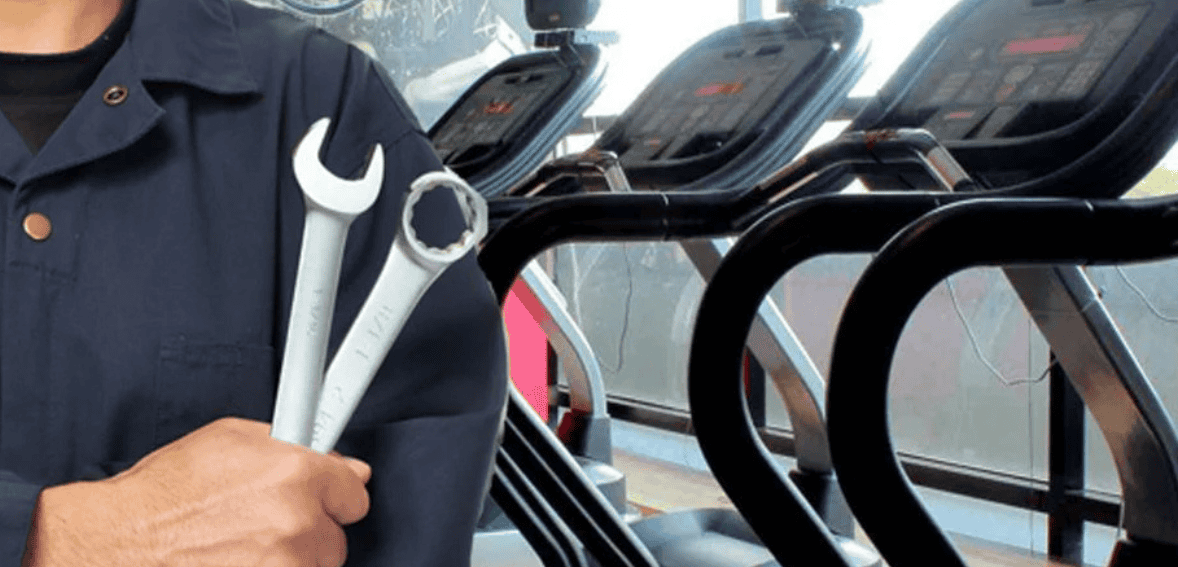
Equipment Maintenance ROI: How a $200 Monthly System Prevents $50K Equipment Replacement
Equipment maintenance ROI is why equipment failure rarely happens quietly. It hits your studio at the exact moment when operations are at peak capacity–every class is booked, every machine is in use, and your staff is relying on smooth performance. The situation when major machinery fails brings about more than just the issuing of a repair ticket; it has a huge effect on the operations of the company, even to the point of major violence. What appears to be a minor issue can be made to be an expensive crisis that disrupts the normal flow of business due to factors like downtime, cancellations, loss of revenue, and negative customer experience, among others, plus the cost of emergency replacement.
On the other side, there is a straightforward fact that frequently remains unrecognized: preventive measures can be taken against the majority of disastrous equipment failures. The bulk of failures does not stem from sudden, unforeseen events—they are the result of a combination of factors, such as wear and tear that has been neglected, warning signs that have been disregarded, inspections that have been missed, or maintenance tasks that have been forgotten. The costs incurred, if any, in terms of taking care of small issues properly, can escalate unnoticed into a replacement bill running into thousands of dollars, like $20K, $30K, or even $50K.
This is where a small investment—often around $200 per month—offers an exceptional return. A structured maintenance approach doesn’t just reduce repair costs; it dramatically increases equipment maintenance ROI by extending asset lifespan, minimizing downtime, and identifying issues before they become irreversible. For businesses relying on machinery, tools, or studio equipment, the right system pays for itself many times over.
This blog explains why equipment maintenance ROI is one of the smartest financial strategies for any business that depends on equipment. It covers the hidden costs of neglect, the economic advantages of consistent upkeep, the math behind ROI, and real-world examples showing how a small monthly investment prevents major losses. By the end, you’ll understand how a simple maintenance structure protects long-term performance and profitability.
Why Equipment Maintenance Is a Financial Strategy—Not Just a Repair Task
To many business owners, maintenance is a troubling but necessary task—one that can only be done during low activity times or when the machine is already noisy. Nevertheless, the reactive route is the costliest, and it eventually leads machinery to be replaced sooner than its natural end. The gap between the two extremes of care is enormous. Equipped with proper service interruptions, units will be fewer, perform better, and gain years of life beyond what was expected. On the other hand, the units that received no care will die quicker, need more repairs, and finally, stop working long before their time.
This is where the concept of equipment maintenance ROI becomes essential. Maintenance isn’t an expense—it’s a strategic investment that produces measurable financial returns.
The Hidden Costs of Neglect
Reactive businesses often overlook these realities:
- Small issues compound into major failures.
- Worn parts strain other components, accelerating damage.
- Downtime kills productivity and revenue.
- Emergency repairs cost 2–5 times more than scheduled service.
- Replacement triggers massive unplanned expenses.
- Customer dissatisfaction harms long-term sales.
Each of these factors affects profitability—and each is preventable with structured upkeep. A business without a maintenance plan isn’t saving money; it’s silently accumulating risk, ultimately weakening overall equipment maintenance ROI.
How a $200 Monthly System Prevents a $50,000 Breakdown
Let’s simplify this with practical numbers.
A well-executed maintenance program—costing around $200 a month for tools, processes, and inspections—ensures consistent monitoring of your machinery. This allows businesses to:
- Spot wear early.
- Replace low-cost parts before they fail.
- Keep motors, belts, and bearings running smoothly.
- Track performance trends.
- Predict when servicing is needed.
- Prevent catastrophic failures.
When issues are identified early, repairs cost hundreds, not tens of thousands of dollars.
Also Read: Why Membership Management Software Saves Time and Revenue
The Critical Role of Early Detection
Many studio owners assume major failures happen “out of nowhere.” In reality:
- A $12 belt snaps and destroys a $4,000 motor.
- Low lubrication burns out a $6,000 pump.
- A $50 sensor failure causes overheating and permanent damage.
- Dirt buildup creates strain that ruins entire mechanisms.
These failures don’t happen suddenly—they develop slowly and end dramatically. A $200-a-month system provides the visibility needed to intervene while problems are still small and inexpensive.
Realistic Financial Impact
In case you possess $40,000 worth of machines without any maintenance plan, one major breakdown can lead to a repair cost of $50,000 or higher. Along with that, failing equipment causes the company to lose money because of the downtime, and this loss may vary anywhere between $5,000–$15,000. Furthermore, even when the repairs are done, it might take a long time, weeks or even months, to rebuild the customer’s trust and get back into your operational groove, further highlighting the financial impact tied directly to strong equipment maintenance ROI.
In the most extreme case, the overall potential losses can go up to $55,000 to $65,000.
On the other hand, the cost of preventive maintenance is:
Monthly = $200
Annually = $2,400
If you assume a major failure happens once every five years, the five-year maintenance investment totals $12,000. Compared to a $50,000 loss, the ROI is enormous.
Small, consistent investments prevent businesses from losing massive amounts of money due to catastrophic failures or long-term neglect.
The Mathematical Breakdown of Equipment Maintenance ROI
When evaluating equipment maintenance ROI, we measure the financial return of structured upkeep against avoided losses. The basic formula is
ROI = ((Total Savings – Maintenance Cost) / Maintenance Cost) * 100
Example:
- $2,400 annual maintenance investment.
- $30,000 avoided a major failure.
- $5,000 for reduced minor repairs.
- $8,000 avoided downtime.
Total savings = $43,000
ROI = (43,000 – 2,400) / 2,400 * 100
ROI = 1,691%
A 1,600%–1,900% return is rare in business—but common with proactive maintenance.
How Effective Maintenance Prolongs Equipment Lifespan by Years
Equipment lasts significantly longer when properly maintained. Regular care can extend lifespan by:
- 30%–50% for mechanical equipment.
- 40%–60% for electrical systems.
- 50%–70% for fitness or studio gear.
This extension delivers exceptional equipment maintenance ROI.
What Causes Early Equipment Death?
Most early equipment failures result from:
- Overuse without rest
- Missing lubrication
- Overheating
- Dust and debris buildup
- Loose components
- Misalignment of moving parts
- Aging parts are not replaced on time
None of these requires costly intervention—just consistency.
A structured maintenance approach ensures these issues are addressed routinely, allowing equipment to operate smoothly for many more years.
Key Areas Where Maintenance Delivers ROI
Here are the areas where equipment owners see the highest payoff:
Reduced Repair Costs
A single major repair can cost ten times more than monthly maintenance.
Avoided Replacement / Improved Performance and Customer Experience
Equipment in top condition not only lasts longer but also performs better. Smooth, reliable equipment supports:
- Customer satisfaction
- Session quality
- Perceived professionalism
- Safety
- Staff confidence
- Operational reliability
When equipment works flawlessly, your business does too. Replacing a major machine can cost more than years of maintenance, making strong equipment maintenance ROI essential for long-term financial stability.
Minimized Downtime
Even one hour of downtime directly impacts financial performance.
Extended Equipment Lifespan
Longer-lasting equipment delays large capital expenses.
Improved Efficiency
Reliable machinery consumes less energy and operates more efficiently.
These pillars contribute to strong, predictable equipment maintenance ROI.
A $200 System: What It Typically Includes
A typical $200 monthly structure may include:
- Routine inspections
- Performance tracking
- Cleaning and lubrication cycles
- Minor part replacements
- Error-code monitoring
- Safety checks
- Wear analysis
- Documented service logs
- Trend reporting
- Reminder notifications
This is not excessive—it is the minimum required to keep equipment in good condition. These processes detect problems at their smallest and least costly stage.
Avoiding the Snowball Effect of Small Problems
One of the biggest threats to equipment maintenance ROI is the snowball effect: a chain of small, ignored problems that lead to major failure.
Example:
- A loose bolt causes vibration.
- Vibration causes misalignment.
- Misalignment causes friction.
- Friction overheats the motor.
- The overheated motor fails.
A $2 bolt becomes a $7,000 failure.
Structured maintenance stops these cascades before they start.
Why Every Studio Should Treat Maintenance as an Investment
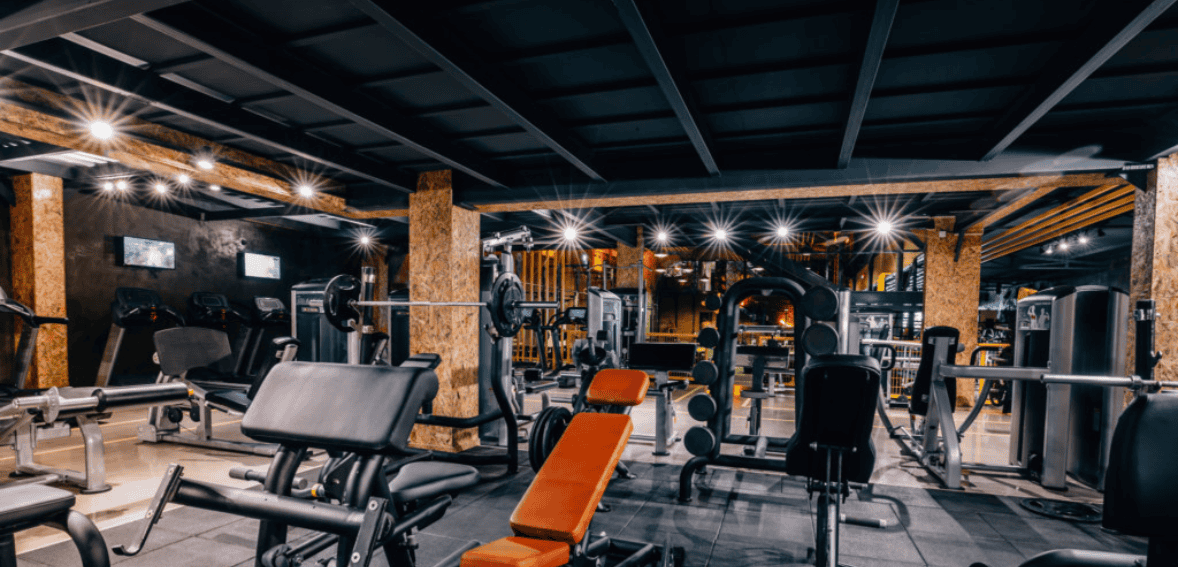
If your business relies on studio equipment, it is essential and essential these assets are protected. The goal isn’t just to avoid repairs; it’s to maximize asset value, which is a key part of achieving strong equipment maintenance ROI.
Strong equipment maintenance ROI provides:
- Lower long-term costs
- More efficient operations
- Better customer experiences
- Reduced financial risk
- Longer equipment lifespan
- Fewer emergency expenses
Keeping equipment in good condition increases revenue and reduces expenses, unlike reactive businesses that wait for breakdowns.
Conclusion
The failure of equipment cannot be considered to be an arbitrary occurrence, as it can be subjected to a forecast, and then, when done so, the management of it via routine maintenance can be seen as the only viable way to go about the whole scenario, especially when evaluating overall equipment maintenance ROI. Even if some companies consider maintenance to be an extra burden, the fact is that the cost is really divided between the monthly maintenance and the failure of the equipment. The latter could run into thousands of dollars, mainly due to the failure of the equipment, which would be caused by the lack of maintenance, further proving the importance of strong equipment maintenance ROI.
The $200-per-month scheme not only guarantees a very high equipment maintenance ROI but also allows for a longer life of the equipment, a reduced need for major repairs, and consequently an uninterrupted running of operations all year round. When prevention costs a fraction of emergency replacement, the smartest business decision is clear: maintain now, save later.
For any business that depends on equipment, maintenance isn’t just a task—it’s a financial strategy, an operational safeguard, and one of the most cost-effective investments you can make, especially when considering the long-term benefits of strong equipment maintenance ROI.
FAQs
What does equipment maintenance ROI really mean?
It measures the financial return of consistent maintenance compared to the much higher costs of repairs, downtime, and equipment replacement. High ROI means maintenance is saving far more money than it costs.
Is $200 a month really sufficient for proper equipment maintenance?
Yes. This budget typically includes inspections, care routines, tracking tools, minor repairs, and early detection measures—enough to prevent major failures.
How often should equipment be inspected?
Most equipment requires weekly checks for basic indicators and monthly deeper reviews. Regularity is more important than frequency.
How does maintenance reduce downtime?
Properly maintained machines experience fewer unexpected issues. Early detection prevents sudden breakdowns, allowing production to run smoothly.
When should equipment be replaced instead of repaired?
Replacement is justified when a repair costs 50% or more of the value of new equipment or when the asset has outlived its usefulness. Regular maintenance significantly delays this point.