


Corporate wellness partnerships and fitness opportunities are quickly becoming one of the most reliable ways for studios to grow in 2026. Across the United States, companies are investing more money than ever into employee health, stress management, and physical fitness. This shift is creating a powerful opportunity for boutique fitness, yoga, Pilates, dance, and wellness studios that are ready to think beyond individual memberships. Studios that act early can unlock a steady pipeline of motivated members, higher retention, and predictable revenue without relying solely on advertisements or discounts.
For many studio owners, growth has felt harder over the last few years. Marketing costs have increased, and member churn remains a constant challenge. Yet, at the same time, employers are actively looking for trusted fitness partners to support their teams. Corporate wellness is no longer a “nice to have.” It has become a business priority. Studios that understand this shift can position themselves as long-term partners instead of just another local gym.
Why Corporate Wellness Is Booming
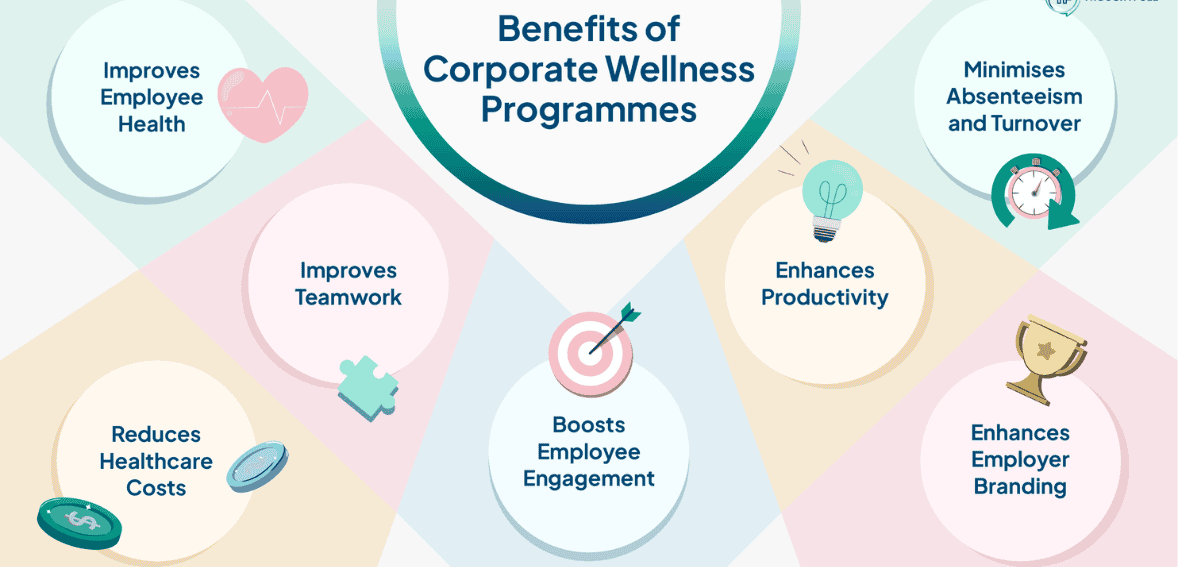
Corporate wellness has evolved from being a benefit to an investment. Organizations are presented with the challenge of boosting productivity, fighting burnout, and retaining employees. Employees are looking for mental and physical wellness, as well as financial rewards. Organizations are therefore spending more on wellness and looking for effective programs that their employees will participate in.
Organizations are now offering gym allowances, wellness refunds, or membership to carefully selected fitness networks. Others seek direct partnerships with local fitness studios that can offer customized experiences. This is a boon for fitness studios because it eliminates the biggest obstacle to attendance: cost. When an organization contributes to the cost, employees are more likely to attend and remain consistent.
For fitness studios, corporate wellness partnerships, and fitness models offer access to a pool of people who are motivated to attend. These are not casual attendees. These are employees whose organizations are interested in them attending. Industry trends have shown that corporate wellness is becoming a mainstream strategy for fitness studios, not a side project. Fitness studios that do not adapt to this trend will miss out on an increasing share of the market.
High-Value Members Through Partnerships

One of the most attractive benefits of corporate wellness is the caliber of members that are brought into the studio. The studios have found that the members who come through the corporate program stay longer and visit more often. The gym membership benefit that the company provides to its employees becomes available to an employee when that employee chooses to use it. The employee gains instant trustworthiness from others because of his first class.
Cost-consciousness is also diminished. When a company contributes to the cost of membership, employees are less likely to leave because of a small change in pricing. This consistency translates to better attendance and a better relationship with instructors. Research has found that a vast majority of corporate members return after their first class and that many of these members continue long after the initial benefit period.
Take, for example, a local accounting firm that subsidizes by half the cost of a monthly membership at a studio for its employees. These employees are likely to go to the studio together, motivate each other, and build habits. For the studio, this means consistent class attendance and a natural community. Eventually, such members will upgrade, refer their friends, or even continue paying if they change jobs. This means that corporate membership programs for gyms are a long-term benefit rather than a short-term solution.
Ways to Engage Between Platforms and Direct Deals

When engaging in wellness through corporate wellness, studios will often have a couple of major pathways into corporate wellness. One of these pathways is through joining a corporate fitness program via a wellness platform, and the other path involves cultivating relationships directly with local businesses. Both methods can be effective if done properly.
On a wellness platform, such as Wellhub and other similar types of platforms, the studio has access to employees who work for hundreds or thousands of companies through corporate fitness programs. The wellness platform acts as the studio’s connection to the employer, handles the billing and relationship with the employee, and allows for the check-in of employees attending the studio’s classes. By using wellness platforms to access the corporate wellness market, studios can quickly reach corporate customers with a low-cost method of outreach.
The drawback to using the wellness platform is that they generally pay studios less per visit. The typical studio on a wellness platform will receive a discount from the regular retail price paid for accessing the studio’s class. However, in addition to receiving payment from the hospitality platform for each new customer, the studio will also be able to fill its unused capacity and gain new customers. Studios often use wellness platforms strategically by limiting access to classes during peak hours while opening class availability during off-peak hours.
Direct deals with companies for offering wellness services to employees typically involve working with the company on an individual basis. This could be done by offering discounted membership to employees of the company, providing on-site or private training for the employees of the company, and/or developing custom wellness packages for a specific team. In these instances, studios also receive a higher per-member revenue than with wellness platforms, as well as the opportunity to build strong local relationships. However, direct deals require studios to put forth more effort initially to create outreach programs and develop proposals.
Also Read: Zero-Cost Marketing: How Local Partnerships Bring in Members.
Start Up a Corporate Wellness Program

Making a corporate wellness program doesn’t have to be difficult, but there are two primary keys to a successful launch: preparation and clarity. If you partner with a platform, the first step is registering as a partner and setting availability rules. You must also ensure your check-in process can accommodate app/check-in entries, and staff are aware of how corporate bookings work. Having specific, clear internal processes will help prevent confusion at the front desk and create a smooth experience for the member.
As you consider establishing direct corporate partnerships, gyms should take the time to identify potential companies. Start with existing members—much of your studio’s current membership may have the ability to introduce your studio to the HR or wellness representative at their job! If you write a simple proposal detailing the benefits, rates/pricing, and structure, we’ve discovered that it will often lead to an initial conversation regarding a possible partnership.
Onboarding is key. Corporate members should feel welcomed and not separated. Some studios create levels/tiered memberships for the company to better manage usage; others host “introductory” sessions or classes for new corporate groups. Either way, tracking attendance and participation is very important. When studios can demonstrate that a certain number of employees attended classes consistently, it becomes much easier to renew and/or expand the agreement with said company.
Maximizing the Win-Win

The best corporate wellness partnerships understand that they are about building relationships instead of just doing transactions. Studios that create positive employee experiences will produce significantly better outcomes. Small, thoughtful acts, such as greeting members by name, taking their feedback, and adjusting classes to accommodate office hours, can have a major positive impact on the overall success of a partnership.
Another way to engage employees is to host company-specific challenges, competitions, or wellness workshops in the workplace. These will not only help to increase levels of participation but also reinforce the value of these partnerships to employers.
From a business perspective, this creates a sustainable source of B2B revenue for the fitness industry by generating repeat, renewable income streams. Businesses that have employees actively participating in a wellness program are more likely to continue their relationship with that studio. Long-term, corporate wellness will be as stable a pillar for studios as individual memberships, private training, and retail.
Moving forward, corporate wellness is not a passing trend. Studios that align themselves as trusted business partners will continue to see consistent demand and build greater financial stability as employers place a greater focus on their employees’ health.
Conclusion
Fitness studios can create a steady source of growth from the business-to-business (B2B) side as they develop partnerships with companies through corporate wellness programs. Instead of relying only on individual marketing, studios will be able to reach motivated consumers who have access to classes, experience a higher level of retention, and enjoy predictable revenue. Using either corporate wellness platforms or direct relationships will provide studios with an opportunity to fill classes, support the community, and build long-term sustainability.
Studios that take a strategic approach to implementing corporate wellness, focus on the member experience, and build strong partnerships will be able to prepare themselves for the future. In an increasingly competitive marketplace, studios that develop B2B relationships will survive and continue to grow.
FAQ
What is a corporate wellness program for fitness studios?
A corporate wellness partnership is an agreement between a fitness studio to offer services to employees of a specific company through the employer or wellness platform. To help increase participation, many companies subsidize part of the cost of the membership.
What is the difference between the value of a corporate member and a non-corporate member?
Corporate members generally are more consistent and remain loyal to that studio compared to a non-corporate member. Given that a corporate member’s employer supports the membership, corporate members tend to work out more frequently and for a longer period than someone who just walks in.
How are financial arrangements made in corporate wellness partnerships?
The arrangements are based on each company’s specific needs. Some employers will pay a percentage of the member’s fees, while others will pre-purchase classes and pay for each class through their wellness platform per visit. The most important thing is to have enough members attending and staying with the studio, making it a profitable partnership for all parties.
How can a fitness studio get in touch with local companies to partner with them?
The first step would be to go to the studio’s current members who work for that company and then reach out to the HR or wellness manager with a simple proposal. Many studios will give a trial class or workshop to help establish the relationship.
Are corporate wellness platforms worth the lower per-visit rates?
For many studios, absolutely. Corporate wellness platforms help fill unused spaces in the studio and also bring in new members because of the partnership. Even though the rates are lower, the number of new members converted to regular memberships and the consistent traffic make it worthwhile.