

Corporate Wellness Gold Rush: How Boutique Studios Are Adding $15K Monthly Through B2B Partnerships
Boutique fitness studios are known for their individualized approach, exclusive classes, and close-knit communities. However, many still struggle to generate revenue from single memberships. Corporate wellness programs can be a valuable opportunity to increase cash flow.
In the United States, corporate employers are increasingly investing in their employees’ health and wellness. If the business partners with the boutique studios, it can deliver consistent revenue—sometimes $15,000 or more per month—while contributing to the company’s goals of improved employee productivity, morale, and retention.
This article will show you how boutique studios can leverage corporate wellness programs, build B2B partnerships that thrive, and generate a sustainable monthly income.
Understanding Corporate Wellness Programs
What Are Corporate Wellness Programs?
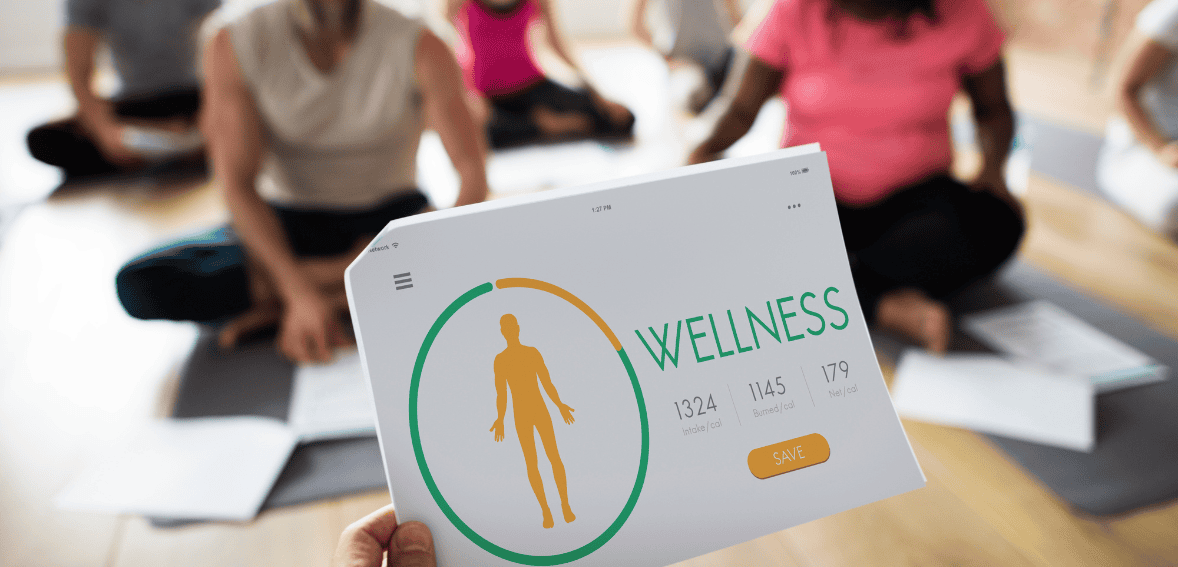
Corporate wellness programs are deliberate, organized initiatives that focus on improving workers’ overall health and their physical, mental, and emotional well-being. The contemporary plans envelop more than basic fitness and have the following as a part of them:
- Live or online fitness classes, which can be yoga, HIIT, and Pilates
- Nutrition advice and customized meal planning
- Stress management and mindfulness training
- Team-building activities that promote friendship
- Assessments for ergonomics and health education seminars in the workplace
- Sleep improvement programs and lifestyle counseling
- Individualized fitness programs with progress monitoring
- Collaborative challenges and competitions to promote wellness with rewards
- Web-based wellness content, newsletters, and educational resources
- HR system integration of the company for outcome tracking
The small-scale studios that provide these programs consider themselves the company’s primary partners rather than just providers of fitness services. Constructed and quantifiable programs develop trust and reliance of corporations and factor in the duration of engagement as well, reinforcing their role in corporate wellness initiatives.
A holistic approach to wellness is a top priority for employers. The studios with a wide range of services from fitness, nutrition, mental health, and lifestyle coaching have become the movers and shakers of the corporate world. Employees receive the holistic support they need, become more active and happy, and the company achieves the results it wants.
The wellness programs that cover several dimensions offered by the studios allow them to advertise their expertise, professionalism, and measurable impact. All these factors contribute to the setting of a high price and even longer-term contracts.
Reasons Companies Go for Employee Wellness
Business entities use wellness programs for many benefits that can be measured:
- Productivity: Healthy employees have better focus, greater creativity, and faster work pace.
- Health Insurance Costs Cuts: Expenses for preventive care are lower than those for routine medical care and hospital bills.
- Higher Retention: One reason workers are happier is that they stay with the same company longer, reducing recruitment costs.
- A Better Company Culture: Health initiatives promote collaboration, the atmosphere, and happiness in the office.
- Employer Reputation: These activities make companies be perceived as nice places to work.
- Employee Participation: Workers are more content, loyal, and active participants in the programs.
- Reduction of Risks: Healthy employees reduce the likelihood of workplace accidents and, in turn, the company’s liability risk.
According to study findings, for every dollar spent on corporate wellness, the return is $3- $6. On the other hand, for boutique studios, providing workplace wellness solutions is a source of recurring revenue and helps demonstrate the effectiveness of corporate output. Delivering on-demand employee wellness programs builds long-lasting trust and partnerships.
Corporate wellness is the health of employees, directly related to company performance. Studios are paid in a way that ensures they can count on revenue, maintain stable contracts, and scale operations. Companies reduce absenteeism, increase engagement, and achieve intense overall employee satisfaction. The collaboration creates a win-win situation, making boutique studios key players in corporate success and strengthening the overall value of corporate wellness for organizations.
Why Boutique Studios Are Perfect for B2B Partnerships

Personalized Experience vs. Big Box Gyms
Boutique gyms provide employees with individual attention and small groups, which are appealing to companies that wish to introduce wellness programs in the workplace. Some of the benefits are:
- Personalized exercise regimen according to the fitness levels of the employees
- Individual coaching to check the postures and lessen the danger of injuries
- Group feeling and responsibility that fosters loyalty to the program
- Adaptable session formats for varying skill levels and work schedules
- Progress tracking and wellness assessments for measurable results
- High-touch communication and follow-up with participants
- Support for hybrid and remote workforce engagement
- Custom challenges that foster team collaboration and engagement
Corporate decision-makers appreciate the boutique studios’ unique approach compared with generic gym memberships. Active employee participation is more likely when wellness programs carry a personal imprint and are perceived as having an impact, which, in turn, increases long-term participation rates.
Moreover, boutique studios positively stress employees and, thereby, help companies to attain engagement, retention, and productivity targets. By providing high-quality, consistent wellness programs, studios are seen as partners in strategy rather than vendors in transactions. Companies view boutique studios as aligned with their corporate values, underscoring the importance of employee well-being.
Flexibility and Customization
Flexibility is a key factor in building corporate partnerships. With such a wide-ranging accessibility, boutique studios come up with:
- Early, lunchtime, and late-night sessions that are most convenient for the employees
- On-site yoga, meditation, strength, and HIIT-like programs that are based more on employees’ needs
- Remote or hybrid participation for teams working from different locations
- Seasonal wellness training and fitness challenges with themes
- Experiments that are wellness-related and coincide with the collaboration
- Individual coaching for those employees who need that little bit more attention
- Wellness content that is personalized and includes newsletters and online resources
- Monitoring of progress and supplying personalized reports to both the employees and management
Flexibility delivers what clients want and, as a result, increases client satisfaction. Employee feedback on the programs drives participation and enhances the perceived value of the studio’s offerings, especially when these offerings align with broader corporate wellness expectations.
Customization helps studios be viewed as corporate partners who develop strategies. Studios provide schools with the opportunity to upgrade their programs, select premium packages, and renew their contracts. When multiple sessions are offered, hybrid models are available, and programs are customized, perceived value increases, making companies more willing to invest in long-term wellness initiatives and strengthening the studio’s role in corporate wellness planning.
Successful B2B Partnerships Setting Up

Target Companies Identification
Every business is not a perfect customer. Studios should give priority to:
- Medium to large companies having over 50 employees at a minimum
- Luxury industries such as tech, finance, healthcare, and law place the utmost stress on their employees.
- Corporations that set aside funds for health and fitness projects or wellness initiatives in the HR department.
- Companies that are putting their efforts into engaging, productive, and retaining employees.
- Organizations are adopting a hybrid or flexible workforce model.
Targeting the right clients results in better engagement and a guaranteed revenue stream over the long term. Well-chosen clients will invest in high-end programs, participate in employee engagement initiatives, and maintain collaboration for several years, especially when these programs support ongoing corporate wellness goals.
The first and foremost task will be to understand the company culture, size, HR priorities, and current wellness programs. To identify decision-makers and understand their specific wellness needs, studios might use LinkedIn, corporate directories, and professional wellness networks. This strategic targeting improves the studio’s capacity to change potential clients into regular clients and strengthens their positioning within the corporate wellness landscape.
Crafting an Attractive Wellness Package
An attractive wellness package has to reveal the following aspects:
- Number, kind, and length of sessions
- Workshops, individual meal plans, and wellness programs.
- Remote and combined participation choices
- Measurable outcomes such as engagement metrics, participation trends, and fewer sick days
- Other bonuses like dieting advice, wellness newsletter subscriptions, and participation rewards
- Tolerance for employee schedules and the needs of the individual
The convergence of flexibility, personalization, and measurable outcomes sets boutique studios apart from traditional gyms. Corporate clients are usually more susceptible to clarity and professionalism, especially when these efforts align with broader corporate wellness priorities; thus, the engagement and contract renewals in the end are increased, reinforcing the long-term value of corporate wellness partnerships.
The use of modular packages allows studios to adapt their offerings to evolving employee needs, keeping programs continually relevant, engaging, and effective over time.
Pricing Strategies That Work
The tiered pricing system is of the utmost benefit to maximizing revenue, and at the same time, considering the different corporate budgets:
- Basic Package: Limited sessions for smaller teams or budget-conscious companies
- Premium Package: Unlimited classes, workshops, and hybrid participation options
- Enterprise Package: Full-service programs, including retreats, consulting, and reporting
The clear pricing flexibility helps studios serve a wide range of clients, from small businesses to large, profitable enterprises. Tiered options push companies to move up as the participation of employees increases, especially when programs are connected to broader corporate wellness goals, leading to recurring revenue and long-term contracts supported by ongoing corporate wellness engagement.
Corporate Clients’ Marketing and Sales Strategies

Utilizing LinkedIn and Professional Networks
LinkedIn proves to be a main player in the arena of building relations with HR managers as well as other decision-makers:
- Provide case studies, success stories, and wellness metrics
- Present improvements in employee engagement and retention
- Disseminate articles and posts showcasing proficiency in corporate wellness
- Become a member of networking groups that are business and wellness-oriented
- Participate in dialogues concerning industry trends and best practices
The steady presence and the sharing of knowledge on LinkedIn create trust, and the studio is branded as a professional wellness partner as well as one that finds potential corporate clients.
Wellness Demos and Lunch & Learns
The direct personal experiences lead to the signing of the contracts in the interest:
- Trial classes without charge for employees and HR teams
- Minute-long workshops focusing on the practices of meditation, fitness, or stress control
- Lunch-and-learn type educational sessions for employees, providing information on wellness benefits
- Question and Answer times to address the client’s particular concerns
Visualizing the advantages in a tangible form gives those in charge a better understanding of the impact, which in turn leads to increased program acceptance and participation, especially when these results support ongoing corporate wellness goals. This clarity strengthens decision-maker confidence and reinforces the long-term value of corporate wellness initiatives.
Metrics and Feedback
Companies as clients want evidenced benefits. A studio should keep records of:
- Attendance and participation of employees
- The quality of engagement with the ratings of satisfaction
- Count of overall wellness improvements
- Trends in retention and feedback
- Progress in reaching the corporate wellness KPIs
The presentation of data makes the studio appear to be driven by results, thus winning over its credibility and making it possible for corporate clients to either renew or expand their programs.
Employee Engagement Through Wellness Programs

How Wellness Boosts Productivity
The emphasis on health and well-being programs, less stress overall, less tiredness, and burnout of the staff:
- People with more concentration, energy, and the ability to solve problems
- More original and innovative ideas in the workplace
- Fewer people are taking days off because of illness, or attending despite being sick
- More teamwork and stronger relationships among staff
- Building up morale, motivation, and thus loyalty of the workers for a longer period
Well-planned wellness programs enable studios not only to improve company performance directly but also to create measurable HR value.
Retention and Reduced Sick Days
The employees appreciate the companies that introduce wellness programs:
- Turnover of staff is low, thus recruitment cost is also low
- Absenteeism is low because sick days taken are also low
- Employees are more engaged and satisfied
- The culture of the workplace is improved, and there is more cohesion among teams
- Superior mental health and lower stress levels of employees
Monitoring employee engagement and wellness metrics ensures that companies are receiving ROI, thus supporting a long-term investment in the studio’s programs.
Measuring ROI for Corporate Clients
Data-driven insights serve as a strong foundation for the program:
- Constant monitoring of attendance and participation on a weekly/monthly basis
- Conducting employee wellness and satisfaction surveys
- Mapping of participation patterns in different departments
- Assessment of feedback trends and determining metrics for improvement
- Providing quantifiable outcomes that support ROI claims
Data analysis provides insights into the effectiveness of the program, justifies the premium price, and strengthens the partnership between the studio and its clients.
Common Challenges and Solutions

Controlling Scheduling Conflicts
Business schedules are ever-changing. Possible solutions are:
- Granting several different session timings
- Offering virtual participation options
- Class recordings are made available for viewing at any time for flexibility
- Allowing employees to schedule themselves through digital platforms
- Communicating session calendars clearly
High turnout is a sure way of guaranteeing the program’s success and keeping corporate confidence.
Managing Client Expectations
Communicate the program’s limits, scope of work, and expected outcomes at the start. Keep the communication going regularly, which should include the following:
- Updates on progress
- Data about attendance and participation
- Feedback meetings
- Plans of action to sort out issues
Open communication makes it more difficult for misunderstandings to arise, and at the same time, it increases client satisfaction.
Scaling Without Losing Quality
The expansion of corporate partnerships means purchasing:
- Scheduling and booking software
- Staff management tools and training
- Attendance tracking and reporting systems
- Standard operating procedures for program consistency
Quality maintenance results in long-term contracts, high engagement, and repeat business.
Tools and Resources for Managing Corporate Wellness Programs

Scheduling and Booking Software
Cooperative well-being working through CloudStudioManager.com, MindBody, and Glofox is a lot easier due to the simplification brought by these platforms:
- Simplify class bookings and cancellations
- Automate attendance tracking
- Centralize scheduling for multiple corporate clients
- Cutting down on human mistakes and lessening the administrative load
Efficient booking leads to trouble-free program delivery and increases customer satisfaction.
Employee Involvement and Monitoring of Progress
The use of tools such as Virgin Pulse, Limeade, and Wellable:
- Monitor participation trends
- Analyze engagement metrics
- Identify employees needing additional support
- Deliver actionable insights to corporate clients
Engagement tracking at this level will help build trust, transparency, and, ultimately, long-term partnerships.
Reporting and Data Analytics
Reporting tools allow studios to share:
- Attendance and participation statistics
- Class popularity and employee preferences
- Feedback and satisfaction scores
- Engagement patterns across departments
- Insights for program optimization
Data-driven reporting is turning a studio into a strategic corporate partner and supporting the contract renewal process.
Communication and Feedback Tools
Regular communication plays a pivotal role in the process.
- Quarterly wellness meetings
- Short surveys and feedback forms
- Customized wellness reports for HR teams
- Using tools such as Google Forms, Typeform, and SurveyMonkey simplifies feedback collection and makes it easier to collect.
Through direct communication, it is ensured that the company’s goals and staff needs are aligned.
Future Trends in Corporate Wellness
Hybrid Wellness Models
Hybrid programs, which include both in-person and virtual sessions, are very much needed for teams that are spread out:
- Remote employees are offered flexible scheduling
- Virtual class resources are available for those who want to participate on their own
- Interactive online workshops and challenges are available
- The cost of providing such services is reduced while the area reached is greatly increased
Increased employee participation and engagement are the result of hybrid models.
Mental Health and Stress Management Programs
Workplaces with high levels of stress need mental health support:
- Practicing meditation, breath delivery, and mindfulness is facilitated
- Stress management workshops and restorative yoga sessions are offered
- Counseling services for employees are integrated
- Customized programs are offered for workers in the pressure cooker industries
Studios that market mental health programs stand out from the crowd and can charge premium rates.
Personalized Wellness Plans
Employees want special treatment:
- Personal trainer fitness assessments and exercise tracking
- Nutrition consultations and coaching
- Personal goal setting and regular monitoring
- Participation in customized hybrid and remote options
Personalized plans are said to increase engagement, outcomes, and corporate satisfaction.
Technology Integration and Wearables
Use of wearables such as Fitbit, Apple Watch, and Garmin allows Sherry to:
- Track and monitor her activity, sleep, heart rate, and stress
- Receive personalized wellness recommendations
- Participate in corporate challenges and tracking that gamification offers
- Become more accountable for her health and engage more at work
Integration with wearables strengthens the studio-client relationship and the program’s impact.
Corporate Wellness Rewards and Challenges
Programs that employ gamification techniques foster higher participation levels:
- Activities like step count and activity challenges
- Competitions among teams
- Wellness point systems and reward programs
- Hydration, nutrition, and mindfulness challenges
Conclusion
The implementation of corporate wellness programs leads to improved productivity, engagement, and employee health. It is boutique studios that can deliver the most customized, adaptable, and impactful wellness programs, especially when these services are aligned with broader corporate wellness goals. By building strong B2B collaborations, delivering measurable results, and leveraging scheduling and reporting tools, studios can smoothly reach $15K+ in monthly recurring income while reinforcing the value of corporate wellness.
Identify the appropriate corporations, design high-end wellness programs, and leverage management platforms to streamline operations. The increasing popularity of corporate wellness in the USA presents a significant opportunity for studios to grow sustainably and profitably, while improving employees’ health and increasing revenue.
FAQ
How much could a boutique studio make from corporate wellness programs?
With 2–5 corporate clients, a monthly income of $10K–$15K is realistic given the level of engagement and the pricing model.
What wellness services do companies generally want?
Primarily, fitness classes (yoga, HIIT, strength), mindfulness training, nutrition seminars, stress reduction program, and corporate holidays.
How should studios set the prices for corporate wellness packages?
Use a tiered pricing strategy that considers session frequency, class types, workshops, and virtual options. Transparency and flexibility are essential.
How long does it take to see ROI for corporate clients?
2-3 months is the typical timeframe for measurable results; tracking participation and engagement metrics can help accelerate the timeline.
How could boutique studios keep up the quality as the partnerships with corporate clients grow?
Upgrade the existing facilities to include scheduling software, staff management tools, and reporting systems. This will help to maintain quality at all levels and will also ensure smooth operations.