


Many of us are familiar with that one advanced student who is actually a beginner. We have to stop the class and assist them while the rest of the class is forced to wait. And while this advanced class is most likely beyond the scope of their current ability, it is, of course, embarrassing (and possibly dangerous) for them! possibly never to return. We, of course, have to consider the quality of the experience for all our students, so we offer staggered classes divided by ability level.
The problem isn’t the student. The problem is an open booking system with no guardrails.
Prioritizing class quality is not the same as being exclusive or unwelcoming. It is about creating a better system design that leads students to the right experience at the optimal time. This article provides guidance for studio owners and managers on implementing class eligibility measures without causing booking headaches, annoying newcomers, or sounding like they are gatekeeping.
Why Open Booking Creates Real Problems for Studios

Most studio management platforms default to open booking. Any registered member can reserve any class at any time. That sounds democratic — and in theory, it is. But in practice, it creates a cascade of operational headaches.
When a beginner attends an advanced yoga class or an intermediate kettlebell session, instructors encounter a difficult dilemma. They may choose to stop the class to address the issue, or continue the lesson, potentially putting the student’s safety at risk. Neither of these solutions benefits the entire class. Students at an advanced level are not going to pay for a modified class. The beginner is oblivious to the fact that they have entered a class that exceeds their capabilities.
The negative impact is that it reduces retention on both sides. Experienced students will leave to find other studios with higher-quality classes. Beginners who are too intimidated by the wrong class will stop coming altogether, often blaming themselves. According to IHRSA research, member retention is one of the top challenges for operating a fitness studio, and a bad first class is the leading cause of early client drop-off.
An open booking with no eligibility criteria means studio owners let customers control the class schedule. Studio owners are often unaware of this gap until the negative consequences start to manifest.
Using Skill Tags and Prerequisites to Filter Enrollments
The most effective solution is also the most elegant: build class eligibility rules directly into your booking flow using skill tags and prerequisites.
Skill tags help classify students and classes. For example, if a student completes your beginner series, they receive a skill tag that says “Foundations Complete.” Tags can be used as booking requirements. Your intermediate class can only be booked by students with that tag. The system identifies these tags; no need to have uncomfortable conversations or make judgment calls at the front desk.
Prerequisites are used mainly in course settings. For example, a student would be unable to book a Pilates Level 2 class until they completed a certain number of Level 1 classes, or until an instructor approves them to progress. Most studio software (including Mindbody, the most popular software for yoga and Pilates) can easily set up prerequisites and membership restrictions. It is helpful to use those settings as a time investment, since it can save a lot of time and eliminate constant issues.
Using skill tags and class rules the same throughout the studio shows students the class path. Students can now visualize their journey through the class offerings, which helps build motivation to take the next class and reduces the urge to take classes out of order.
How to Handle Exceptions and Override Requests Gracefully
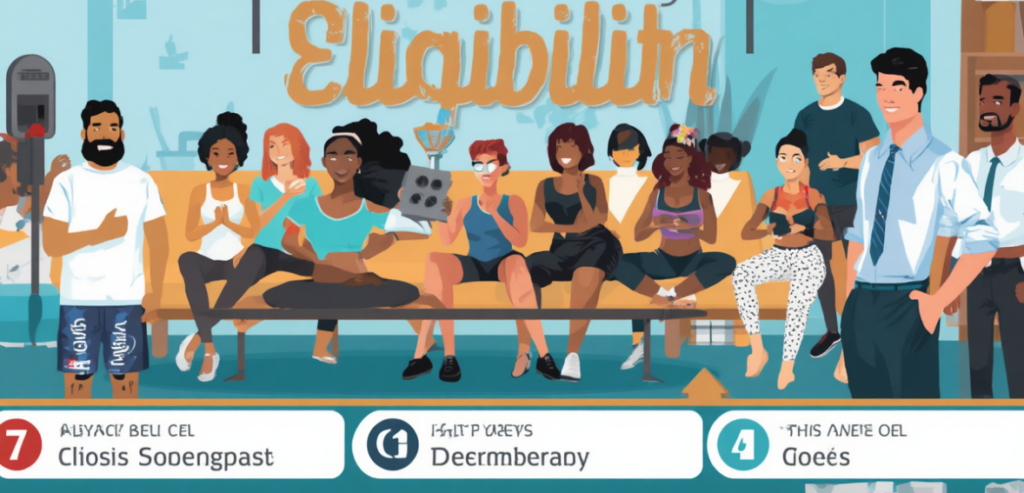
No system should be completely inflexible. If nothing else, there are exceptions. An applicant could come to your city after a decade of yoga, asking to join your advanced class, or a personal trainer could take an instructor development course for cycling. Perhaps a committed member returning from an injury wishes to rejoin at a higher membership level.
For situations like these, you need an override process. While it should be concise and clear, it also needs to be restrictive enough to maintain eligibility integrity.
The booking system’s override request form is a strong feature because it effectively mitigates hard stop eligibility issues. When a user reaches an eligibility restriction, a prompt asks, “Do you think your experience qualifies you for this booking?” If a prompt is answered with a booking-system-related background question (training or certification), the override request will be submitted to staff for review. Typically, requests and override decisions take less than 2 minutes to review.
Instructor sign-off is another solution that has proven effective. Lead instructors should be given permission to manage user bookings and access from their respective dashboards (grant or restrict). This solution places control in the hands of the most knowledgeable personnel, eliminates the burden on support staff, and avoids queues of users waiting for a booked service.
It is best to avoid a hard binary decision-making system in which the only options are “full access” or “no access.” Stipulations should be created for every integrated studio. Your eligibility system should be flexible enough to accommodate different situations while preserving the quality of the class experience.
Explaining the Class Eligibility Rules Without Sounding Like a Gatekeeper
Here’s where many studio owners struggle. They implement the eligibility rules accurately, but the communication of these rules is often perceived as cold, bureaucratic, or elitist. Students receive the message that they are not allowed to book a class, with no explanation, guidance, or alternatives.
This type of language will undoubtedly damage trust. This isn’t a case of “too strict” regulations. This is a case concerning the use of language to explain the regulations.
Instead of the message “You do not qualify for this class,” you can use something similar to “This class is designed for students who have completed our Foundations Series as this class builds those skills. Consequently, this class will help you use your class time most efficiently. We recommend you begin your Foundations Series first.” This example presents the other side of the coin, provides a rationale, and outlines the next steps. Most importantly, the student feels supported rather than rejected.
The features of your booking system, such as messages, emails, definitions, and notifications, are important communication channels. Informative, supportive messages help articulate to the student what they will benefit from following the “correct” path.
It is also important to indicate that beginning this learning path will not be a waste of time. Studios that hire and train skilled instructors and maintain Beginner Methods do not have students complaining about taking Beginner Courses. In fact, students appreciate these courses.
IDEA is a premier health and fitness resource that provides instructors with the tools to design and articulate activities that center on participants. Their concepts for structuring the components of a health and fitness activity to elicit participant responses are of high caliber.
Building a Booking Experience That Works for Everyone
Good class eligibility rules focus on matching students who are ready for a challenge to a class that will help them continue progressing, rather than simply increasing the difficulty level of getting into a particular class.
Customizable eligibility rules help define class prerequisites and exceptions so that front-desk staff won’t have to manage class lists. This way, instructors can teach and help advanced students and beginners get into the right class, respectively, that they signed up for and that they need.
This eligibility framework helps as the studio grows and expands to accommodate new class types, locations, and instructors, and it does not require rule modifications because it will continue to use the same logic.
Studios that adopt this operational framework see class satisfaction, member progression, and retention increase, and staff don’t have to spend any extra time on it. This system handles many necessary tasks in the background that staff and students appreciate.
Conclusion
The trickiest part of the operational side of running the studio is knowing which clients should attend which classes. If you miscalculate in one direction, front-facing clients will experience a class system that is a logistical nightmare, with beginners being forced to take classes with advanced students. If you miscalculate in the other direction, advanced students will have no class to take, since class eligibility is nonexistent, and the studio will be viewed as exclusive and unfriendly. An honest booking system, along with a thoughtful booking flow for students, will solve this problem.
These requirements do not need to be absolute barriers, as long as they are approached with care. They form the structure of a successful studio. They help students have the best experience, even as they go from their first class to the last and most advanced class. They give every student, at every level, the pathway to continue their progress.
Frequently Asked Questions
What are class eligibility rules in a studio setting?
These rules determine a student’s eligibility to attend certain classes. They are based on the assessment of the student’s experience, completed prerequisites, and permissions granted by the instructor. These rules are designed to ensure that classes are held for students at a specific skill level and to maintain class quality and student safety.
Can I implement skill tags and prerequisites without expensive software?
Most mid-tier studio management systems offer some degree of membership-gating or prerequisite features as part of their standard offerings. The setup differs from one system to another, but most don’t need a developer to customize. If your current system doesn’t offer this capability, you might want to check out other systems that offer greater flexibility in booking.
How do I handle a student who pushes back on eligibility restrictions?
Understand that they are frustrated and provide them with a reasonable answer. Explain the next steps very simply. If they have relevant experience, send them the override or intake process. Don’t use defensive language. They should experience your process and feel less of the sting from being “processed.”
Will eligibility rules hurt my new member sign-up rates?
Not if they’re communicated well. Most potential members appreciate a studio with a defined progression framework. It shows that you care about designing with purpose. Clear pathways that state your progression levels demonstrate that eligibility criteria are more of an incentive than a hindrance.