


Managing payroll for fitness studios isn’t as easy as you’d think once trainer commissions come into play. What starts as a simple monthly payroll process can quickly become an hours-long process involving numerous spreadsheet edits to calculate trainer commissions, verify attendance, and correct payments. For studio owners and managers, the need to completely redo payroll every month leads to a lack of trust in payroll accuracy, along with unnecessary, avoidable stress that causes operational inefficiencies that harm trainers and ultimately the business.
As the number of boutique fitness studios, yoga and Pilates businesses, personal training facilities, and wellness franchises expands, so too does the flexibility of compensation. Trainers can receive payment based on the number of attendees, class/booking package sales, memberships, upselling, performance incentives, or other commission models. Without a set method, managing payroll becomes increasingly time-consuming when trainer commission tracking is absent.
Thankfully, studios no longer have to rely on separate spreadsheets or rebuilding payroll from scratch. Commission tracking and integrated payroll systems within an easy-to-use interface open new possibilities for automating trainer compensation and maintaining accuracy. Studios embracing smarter commission systems will enjoy payroll workflows that reduce disputes with trainers and improve retention.
Why Trainer Commission Tracking Becomes So Complicated
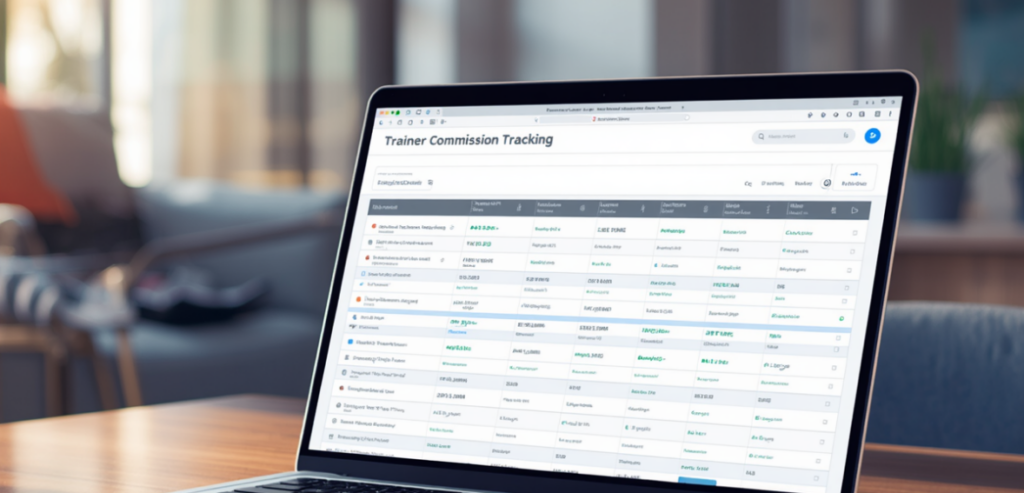
Fitness studios operate differently from traditional businesses because trainer compensation is rarely fixed. Many trainers work under variable pay structures in which earnings fluctuate based on attendance, revenue, or client retention. A trainer teaching five packed classes in one week may earn significantly more than another trainer teaching smaller sessions. Add in personal training packages, product commissions, bonuses, and substitute classes, and payroll complexity increases quickly.
The biggest hurdle is that many studios still use older methods. Attendance reports are compiled manually, managers tally booking numbers and compute percentages, and finally commission payments are keyed into the payroll software. These steps are repeated monthly. A single data-entry mistake will result in underpayment, overpayment, or delayed payment. Trust between trainers and the studio can be damaged.
Studios lacking a centralized commission tracking system encounter many of the same recurring problems. This creates operational challenges, confusion around commission structures, and complaints from trainers. Owners have no real-time control over costs, and payroll managers face increasing demands, especially as more locations and trainers are added.
Instead of operating proactively, businesses become trapped in reactive payroll management where every month feels like starting over from scratch.
The Hidden Costs of Rebuilding Payroll Every Month
Many studio owners underestimate how much inefficient commission tracking actually costs the business. The expense is not limited to payroll administration hours. Manual systems create ripple effects across the entire operation.
Administrative burnout is one of the more costly hidden costs. Studio managers do a lot already and end up doing even more. They do the scheduling and every aspect of customer service and marketing. They also coordinate the trainers. When studio managers have to spend a few extra days processing payroll each month, it drains productivity and prevents the team from focusing on growing the business.
Mistakes in payroll end up costing money. Trainers may dispute their pay if they find it to be lower than expected, which can lead to significant dissatisfaction and potential liability. In some parts of the world, pay for commission-based trainers may have to be based on legally acceptable time records, which are often not tracked as rigorously when recorded manually, thereby increasing the likelihood of payroll reporting errors.
It is also very important to maintain trainer morale. Trainers expect timely payments and expect transparent payment processes. If the trainers do not see or understand their commission calculations, they become frustrated. Many trainers may choose to leave for other companies that have transparent payment systems.
Most importantly, manual payroll rebuilding limits scalability. A studio that cannot efficiently manage trainer commissions with 10 trainers will struggle even more with 30 or 50 trainers across multiple locations.
How Automated Commission Tracking Changes Studio Operations
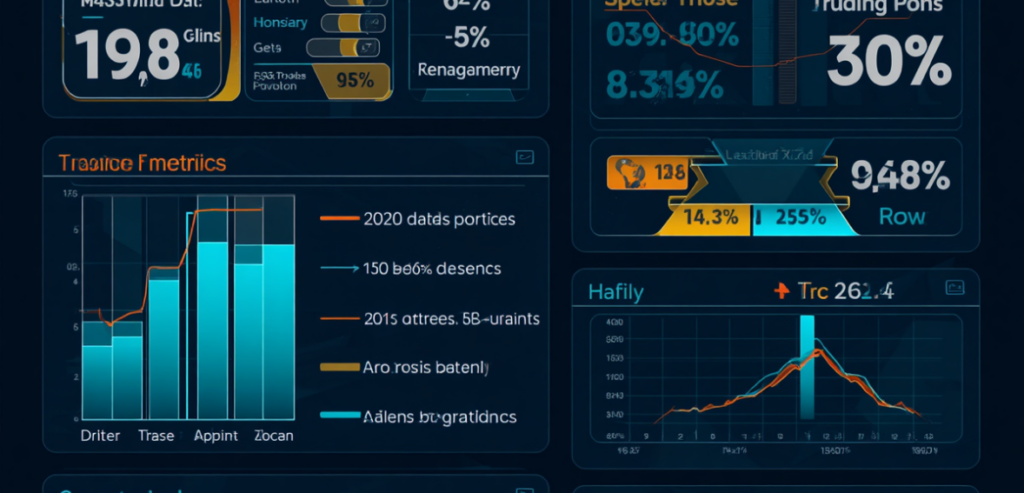
Automated trainer commission tracking simplifies payroll by turning a time-consuming monthly task into a straightforward step. The automation of modern systems eliminates the need for manual commission calculations. Instead, these systems collect data on attendance, revenue, session count, and sales activity as they occur.
When process automation and commission tracking systems are integrated seamlessly, commission tracking runs directly alongside the scheduling system, booking platforms, the membership roster, and other payroll and HR systems. Every action by a trainer is recorded automatically and linked to the applicable compensation rules. This eliminates redundant entries and minimizes calculation errors.
Automation enhances transparency. Trainers can view dashboards showing earnings projections, completed sessions, attendance, and scheduled payouts. This visibility decreases payroll disputes and strengthens the relationship of trust between staff and management.
From an operational perspective, automated commission systems provide studio owners with better labor cost forecasting. Instead of waiting until payroll is processed, managers can monitor commission liabilities throughout the month. This helps studios make smarter staffing decisions and maintain profitability.
Perhaps most importantly, automation enables scalability. Whether a studio operates one location or an entire franchise network, the same structured commission rules can apply consistently across the organization.
The Role of Integrated Payroll Platforms
Many studios still use separate systems for scheduling, payments, commissions, and payroll. While this approach might work for a while, disconnected systems cause continuous issues with reconciliations. When systems are separated, information must be transferred manually, which introduces the risk of errors and delays.
Integrated payroll platforms solve this problem by centralizing compensation management. Instead of rebuilding payroll monthly, studios establish commission structures once and allow the system to calculate payouts automatically.
Gusto
Gusto streamlines payroll management for small and mid-sized businesses, especially popular among fitness studios. This is likely due to its ability to combine payroll, contractor payments, tax, and employee onboarding modules into a single workflow. When integrated with scheduling or booking software, the flow of commissioned sales data directly into payroll calculations can greatly reduce administrative burden.
Mindbody
One of the most widely used resources in the wellness industry for managing fitness studios is Mindbody. Scheduling, booking, membership, and reporting functions are all available on this platform, which is favored by many studios. Mindbody’s reporting functionality helps studios simplify trainer commission by integrating attendance, revenue, and trainer performance data.
Zenoti
Zenoti offers comprehensive management solutions for businesses in the fitness and wellness industries. Franchises and larger studios prefer this platform because it unifies appointment scheduling, payment processing, analytics, and payroll reports in a single environment. As a result, studios eliminate the need to rebuild redundant payroll cycles.
Creating a Commission Structure That Is Easy to Track

Technology alone cannot solve payroll issues if commission structures are overly complicated. Many studios unintentionally create compensation models that are difficult to manage because they include too many variables, inconsistent rules, or unclear payout criteria.
The best commission structures align motivation with simplicity. Studios should make it easy for staff to see how trainer earnings are calculated, what metrics are used, and when commissions are paid. Consistency ensures accurate tracking of commissions for the studio trainers.
For example, studios use tiered attendance models where trainers receive higher commissions as class attendance increases. Others use a flat-rate model with a performance bonus. Some businesses pay commissions on package sales or on membership sales or upgrades. No matter the model, all structures should be documented and automated.
Standardized policies should be adopted by every studio for substitutes, cancellations, and for commissions when they are split. Lack of clarity creates confusion for both trainers and payroll managers.
Another important consideration is reporting transparency. Trainers should always understand how their earnings are calculated. Clear reporting builds confidence and minimizes disputes.
Why Real-Time Data Matters for Payroll Accuracy
Traditional payroll processes rely heavily on historical reporting. Managers wait until the end of the month to compile attendance records, calculate commissions, and finalize payouts. This delay creates opportunities for missed sessions, incorrect calculations, and incomplete records.
Tracking every step of the payroll process makes payroll real-time and practically eliminates payroll errors. Studios can instantly see where issues occur. Attendance info, sales, renewals, trainer activity, and client info are all updated in the system in real time.
Real-time updating benefits managers and trainers alike. Managers get immediate updates on class profitability and associated payroll costs, trainers see real-time payroll updates so they can track their progress towards their monthly earnings goal.
Real-time systems enhance more than just payroll; they enhance managers’ decision-making capabilities. Classes that continually underperform can be removed from the schedule, and trainers that excel in non-class-related activities can be compensated accordingly.
Most importantly, real-time data eliminates the need for extensive end-of-month payroll reconstruction. The system continuously updates compensation calculations in the background.
How Better Commission Tracking Improves Trainer Retention
Trainer retention is one of the most overlooked benefits of efficient payroll systems. Fitness professionals value reliability, transparency, and timely compensation. When payroll processes are confusing or inconsistent, trainers often interpret the issue as organizational instability.
Studios that invest in specific technologies to track commissions create a better work environment during scheduling and payment review. When trainers can review their payroll and are confident their payment will arrive as scheduled, they have a better understanding of their pay and trust the system.
Clearly defined metrics drive performance and discipline. When trainers see other team members’ performance, sales metrics, and client retention data, they are more motivated to improve.
As the fitness market becomes more competitive, operational professionalism becomes a competitive advantage in hiring superior talent. Trainers increasingly seek studios with modern systems, transparent reporting, and consistent payment practices.
Ultimately, streamlined payroll processes contribute directly to workplace culture. When trainers trust the system, management spends less time resolving disputes and more time building strong teams.
Scaling Multi-Location Studios Without Payroll Chaos
As studios open multiple locations, payroll issues become much more complicated. Different locations have different schedules, trainers, pricing, structures, and commissions, creating operational disruptions even with centralized systems.
Automated trainer commission tracking has a major impact on businesses with multiple locations. It significantly standardizes and simplifies workflows across studio locations, reducing administrative inconsistency. Studio owners can use centralized reporting to track payroll expenses for each studio while maintaining consistent payment structures.
Cloud-based platforms make remote management more efficient. Studio owners can examine and approve commissions, track staff-related expenses, and monitor payroll without visiting each location to collect spreadsheets.
Implementing commission tracking systems helps studios scale without hiring additional administrative staff, preventing operational bottlenecks that can slow growth.
Conclusion
Trainer commissions are essential for motivating performance in fitness studios, but manually rebuilding payroll creates inefficiencies that slow business growth. As compensation structures become more dynamic, relying on spreadsheets and disconnected systems is no longer sustainable.
Modern trainer commission tracking solutions allow studios to automate calculations, improve payroll accuracy, reduce disputes, and increase operational transparency. Integrated platforms streamline data flow between scheduling, bookings, memberships, and payroll systems, eliminating repetitive administrative work.
Studios that implement structured commission tracking not only save time but also strengthen trainer trust, improve retention, and position themselves for scalable growth. Whether operating a boutique yoga studio, a Pilates business, or a multi-location fitness franchise, automated payroll systems provide the operational foundation needed to manage commissions efficiently without rebuilding payroll every month.
Frequently Asked Questions
What is trainer commission tracking?
Studio trainer commission tracking is the process of monitoring trainers’ earnings based on attendance, sales, memberships, personal training sessions, or other performance metrics. Automated tracking systems help studios calculate commissions accurately and integrate them directly into payroll workflows.
Why do fitness studios struggle with payroll management?
Many fitness studios use manual spreadsheets and disconnected systems to calculate commissions. Because trainer compensation often changes monthly, payroll must be recalculated frequently, increasing the risk of errors, disputes, and administrative delays.
Can payroll software automate trainer commissions?
Yes, many modern payroll and studio management platforms can automate trainer commissions. These systems connect attendance data, bookings, and revenue reporting with payroll calculations to reduce manual work and improve accuracy.
How does automated commission tracking improve trainer retention?
Automated systems create transparent and reliable compensation processes. Trainers can clearly understand how earnings are calculated, reducing disputes and increasing trust in studio management.