
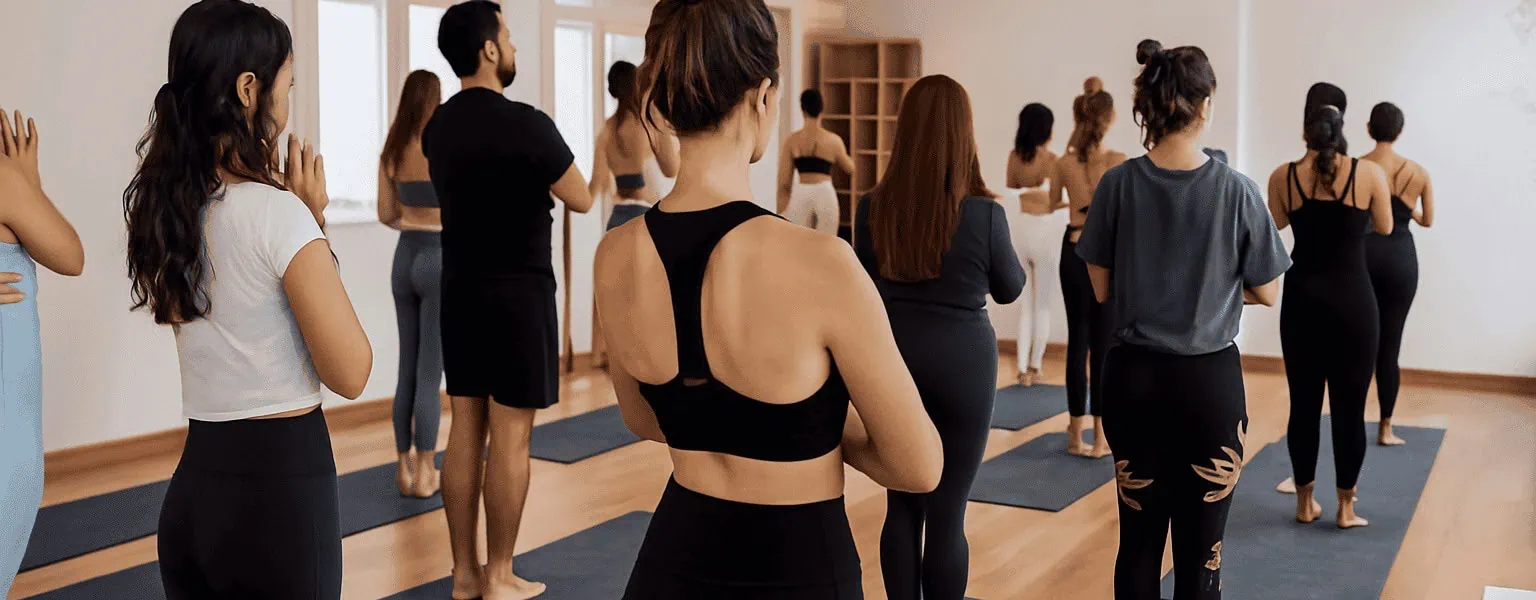

Gen Z fitness expectations. There is no doubt that the fitness market is changing drastically, and if studio proprietors want to keep their place in the game, they need to know the expectations of Gen Z in fitness. This cohort, consisting of people born from 1997 to 2012, has not just different tastes and preferences but also completely different digital habits and lifestyle needs. Their major distinction from the previous generations is that they want to live and have experiences, they are in search of authentic brands, and they require convenience at every point of sale. Not catering to the above-mentioned will lead to the studio being less liked, less patronized, and suffering the loss of growth opportunities.
This is the reason for this guide, which tries to outline the Gen Z requirement from your studio and also suggests how you can make your offerings more attractive and retain this mighty demographic.
Gen Z fitness expectations are now influencing how studios design classes, structure memberships, and communicate value to younger audiences.
Understanding Gen Z: A Different Approach to Fitness

It is a no-brainer that such an environment has been the primary deciding factor in Gen Z’s health industry. Online communities, digital trends, and a strong emphasis on mental health, along with physical health, have all impacted the way they perceive and practice fitness. It is quite the opposite of the millennials, who, at least in part, were attracted to conventional gyms and managed classes; the present-day youth wants a custom-made, free-spirited, and playful encounter. They are pushing themselves through competitions, social interactions, and the digital visibility of their progress as the main driving forces.
For owners of a studio, this indicates that merely offering standard memberships may not work; it is imperative to know the desires and lifestyle of Gen Z to make the fitness center both contemporary and attractive.
Understanding Gen Z fitness expectations helps studios align their services with modern lifestyle and wellness priorities.
Key Characteristics of Gen Z Members
Tech-Savvy and Connected
The full integration of digital technology into their fitness journey is something Gen Z members expect. These people make use of all the resources that the digital world has to offer, from fitness apps and wearables to online connections for performance tracking, class bookings, and trainer communication. This generation is likely to visit yoga and fitness studios that provide easy-to-use applications, online scheduling of classes, and engaging content. The incorporation of social media engaging features, like sharing triumphs or participating in challenges, not only makes the interaction more exciting but also aligns with the need for recognition and community validation of the Gen Z cohort.
Digital-first engagement is a direct response to Gen Z fitness expectations in today’s studio environment.
Generational Differentials in Scheduling Preferences
Younger people have a different view of scheduling that is less rigid than the older generation, and thus, their preference for fitness classes was more flexible. The gyms that are providing on-demand classes, different schedules, and mixed options that allow them to switch from physical to online workouts are the ones that the younger generation is eager to join. Memberships vary as well, with the younger ones leaning towards tiered or pay-per-use models that can cope with erratic patterns and shifting preferences. When studios recognize this trend, they are able to offer packages that are attractive to the customers and at the same time profitable for them.
Flexible scheduling models reflect evolving Gen Z fitness expectations around convenience and autonomy.
Mental and Holistic Wellness as the Focal Point
The Gen Z generation does not prioritize only physical fitness. They speak about whole wellness, comprising mental health, coping with stress, and good nutrition. It is more likely that studios, which incorporate mindfulness practices, recovery sessions, and wellness coaching along with traditional workouts, will attract this young generation. A studio’s general well-being emphasis can make it different from the others and build up a faithful member population.
Mental health integration is central to Gen Z fitness expectations across fitness studios.
Yearning for Realness
Generation Z puts authenticity and transparency at the top of the list of brand attributes they would support. The top reasons for their preference for these studios are honest showcasing of results, the teacher’s credibility, and a warm and welcoming ambiance. The marketing strategies should be based on the principles of honesty and community spirit, instead of being sophisticated and overblown. For business people running studios, this implies the need to tell the truth about the life-changing experiences of the members, to make known the instructors’ qualifications, and to nurture a studio-wide fitness level embracing culture.
Authenticity remains one of the strongest Gen Z fitness expectations influencing brand trust.
How Studios Can Meet Gen Z Expectations

Offer Interactive and Gamified Workouts
By accommodating Gen Z workout trends, studios could integrate gamification into their classes. Point-based challenges, leaderboards, and reward systems are among the features that will not only encourage members to take part often but also allow them to monitor their improvement through participation. Virtual contests or fitness challenges that are up to date with social media will increase participation and help in creating a community, a factor that is highly appreciated by the Gen Z group of members.
Gamification aligns strongly with Gen Z fitness expectations related to motivation and progress visibility.
Utilize Digital Channels
The integration of technology into the studio experience is an absolute necessity. A tech-savvy generation expects online booking, live-streaming classes, and digital progress tracking as the minimum features. The utilization of apps that provide personalized workout plans, reminders, and congratulatory notifications can further this customer loyalty by increasing member engagement and participation. Those who adopt digital alternatives in the studios will not only have access to the preferences and conduct of the members, but also will make decisions based on the data.
Technology adoption continues to shape Gen Z fitness expectations in studio operations.
Create Socially Engaging Environments
It’s a known fact that Gen Zers will engage with the fitness studios for a more lifelong interface than just getting trained. Drawing up atmospheres that invite talking, for instance, group competitions, seminars, or community happenings, again leads to taking place and to attachment. Besides, studios can establish virtual gatherings through social media groups or message boards where trainers can swap stories, mark goals achieved, and spur each other on. When one takes this path, the fitness journey becomes a habitual socialization rather than an isolated act.
Community-driven programming supports evolving Gen Z fitness expectations.
Give Precedence to Sustainability and Ethical Practices
Gen Z values sustainability and social responsibility the most. They tend to be the first to support studios that reveal environmental concern, good practices, and inclusiveness. Such scenarios may comprise the use of green equipment, cutting down plastic consumption, supporting charities, and having rules that favor minorities and the handicapped. Stressing these activities can not only build a studio’s good name but also attract the youth who seek virtues, along with the other two main factors of convenience and quality.
Ethical values are deeply embedded in Gen Z fitness expectations.
Delivering Custom-Made Experiences
The youngest ones to join demand the kind of workouts that are particularly and only for them, according to their goals and abilities. Personal training, small group sessions, and individual fitness plans are all signs that studios recognize and treat each customer as valuable. Constantly gathering opinions, monitoring developments, and adapting services accordingly are all trust-building activities that keep members engaged for a long time. Personalized interactions also reinforce the main concern of mental and holistic wellness, and thus, all members feel that they have the support when it comes to their fitness journey, even if it is in the form of no support at all.
Personalization remains a defining element of Gen Z fitness expectations.
Also Read: The Rule of Seven: Building a Community That Retains 95% of Members.
Modern Amenities That Attract Gen Z
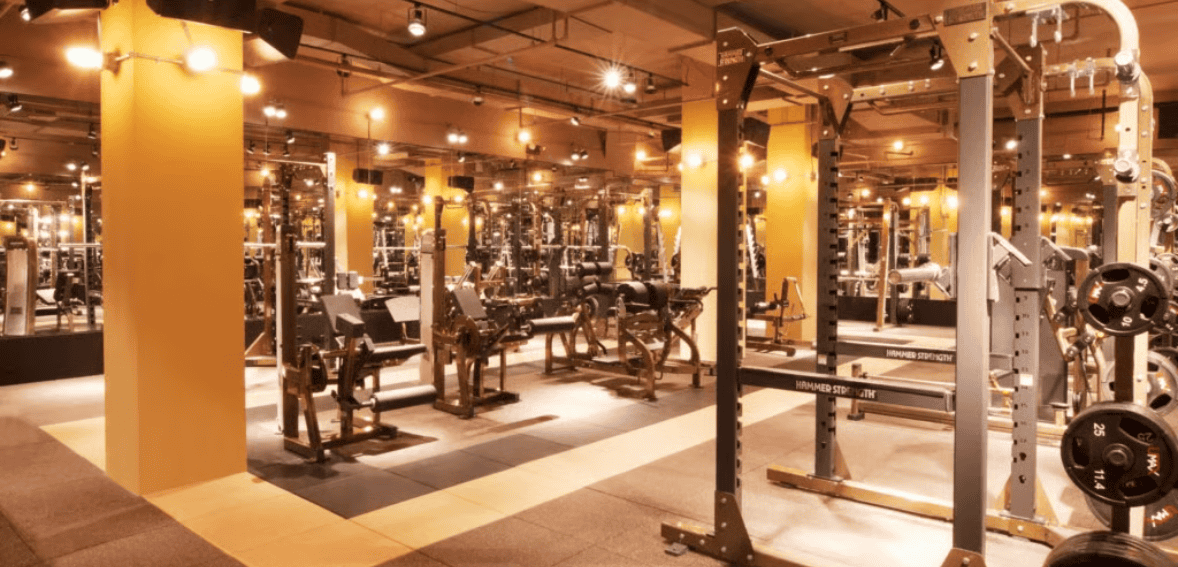
Digital and On-Demand Access
The provision of on-demand courses and digital content makes things more manageable for young members who have very busy lives to fit gym workouts into their schedules. By providing this flexibility, the youngsters’ preference for different kinds of activities and individual preferences are satisfied, letting them select the classes that go along with their mood, time, and goals. Gyms combining live coaching with a good digital library are evolving to a hybrid model that attracts the technologically savvy.
Hybrid access models directly respond to Gen Z fitness expectations.
Clean, Welcoming Spaces
Gen Z sets hygiene, coziness, and beauty as their main concerns. The first impression that such studios will be very strong is made by those clean, bright, and eye-pleasing environments. Comfortable places with a lot of natural light, high-tech equipment, and social spaces not only improve the experience but also attract more visitors.
Community-Oriented Features
Social spaces, group challenges, and collaborative classes foster younger member retention by creating a sense of belonging. Through applying member recognition programs, holding themed events, or simply creating areas for informal gatherings, studios can foster community participation. If the members of Gen Z feel at home with the studio and their mates, they are more prone to stay.
Retention strategies increasingly depend on understanding Gen Z fitness expectations.
Wellness and Recovery Zones
Gen Z’s complete wellness approach is thus met by the provision of amenities that go well beyond conventional workouts, such as recovery areas, meditation rooms, or nutrition consultations. Besides that, these amenities show the studio’s commitment to overall health and not just to exercising, which may turn out to be a distinct factor separating it from competitors and attracting the younger ones who seek alignment with their values.
Marketing Strategies to Attract Gen Z
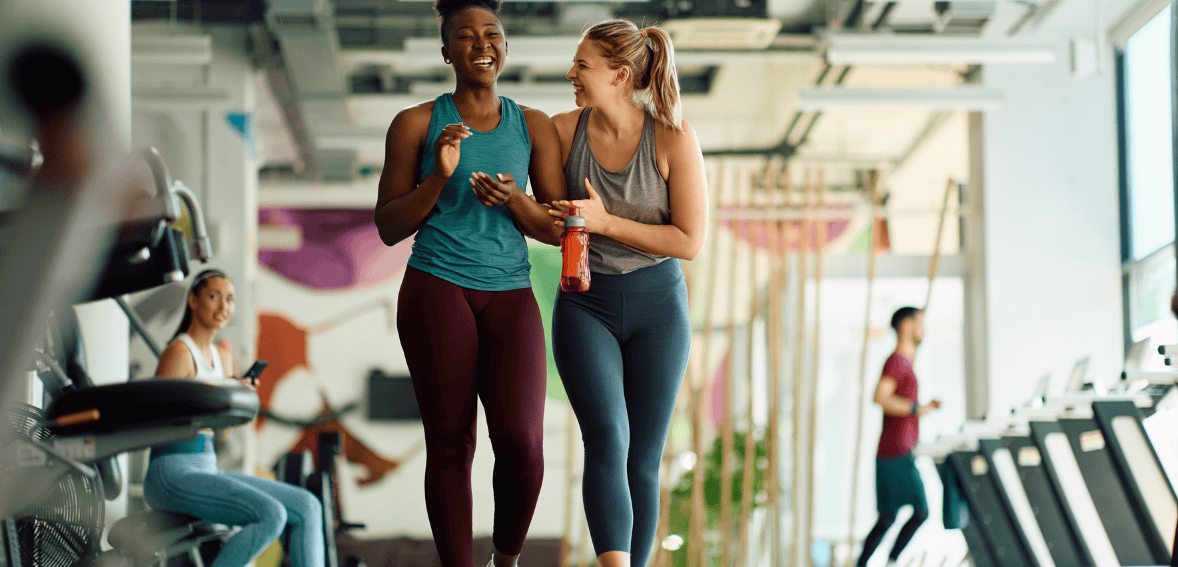
Marketing success improves when aligned with Gen Z fitness expectations.
Utilize Social Media and Influencers
Generation Z values social media very much for both finding and confirming things. As part of their marketing strategy, studios would do well by being present on and posting content on Instagram, TikTok, and YouTube, platforms where they can get the most attention. Besides, influencers with a small following or local trainers can be partnered to help with outreach and gain trust in the market of young people.
Highlight Authentic Success Stories
Spotlighting genuine member changes and instructor victories is in line with Gen Z’s need for realness. Video testimonials, transformations, and fitness stories are all ways of building trust and attracting prospective members to your studio.
Give Flexible Membership Options
Young people who cannot sign long-term contracts will be drawn by flexible, inexpensive memberships. Lowering barriers to entry and allowing Gen Z members to test the waters before making a complete commitment are tiered plans, pay-as-you-go options, and trial packages. This strategy works well for studios, as they get a larger audience without giving up the revenue potential.
Lifestyle Integration is the Key Factor
Gen Z is easily associating fitness with their everyday life, which means that the gyms offering such a variety of services will have more clients. Mike, the way to the studio is an all-around place for health and personal development through nutrition workshops, wellness webinars, and community events. The studios that market their lifestyle benefits will not only show their importance but also create tighter bonds with the members.
How to Measure Success in Gen Z Members

The studios ought to monitor participation statistics, presence in classes, online communications, and retention of members to measure the success of the programs directed towards the Gen Z group. Polls and discussions allow the studios to receive feedback on customers’ tastes and to modify their products in line with the trends. Through cooperating services with digital fitness experiences, studios will be able to guarantee the engagement of customers and receipt of profits for a longer time while maintaining pace with the generational trends.
Performance tracking ensures studios continue meeting Gen Z fitness expectations.
Conclusion
Studios that adapt early to Gen Z fitness expectations gain a long-term competitive advantage. In order to satisfy Gen Z fitness expectations, studios must transition from standard practices to more innovative and modern approaches. By bringing in technology, providing social and individualized experiences, considering whole-body health as the most important factor, and building genuine connections with people in the community, studio operators can draw in and keep this powerful generation.
Knowing the factors that influence the participation of Gen Z members helps the studios to be competitive, contemporary, and successful in the quickly evolving fitness marketplace. Different approaches to these trends are not only paths to and the environment for acquiring new customers but also indispensable to the development and maintenance of businesses.
FAQ
In what ways does Gen Z fitness differ from the previous generations?
Gen Z is considering flexibility, technology, and whole-being wellness, while older generations are sticking to conventional gym workouts and fixed schedules.
What methods can studios use to draw Gen Z members in?
Gen Z’s preferences are met by giving digital integration, on-demand classes, personalized workouts, and social engagement opportunities.
Why is it that authenticity is such a big issue for Gen Z?
The generation is more inclined to trust the studios that have real results, open communication, and non-exclusionary environments as opposed to those using exaggerated marketing.
What amenities does a studio provide that attract Gen Z the most?
Younger members are drawn in and kept by such amenities as digital access, recovery zones, clean and beautified areas, and community-oriented features.
What are the best ways studios can find out the Gen Z engagement level?
Measuring attendance, online activities, feedback from surveys, and retention rates is a way for studios to get an idea of what appeals to the younger generation.