


The blog you are reading will show you how pay-per-class vs. unlimited pricing actually works in boutique studios in the US. You will know which model will provide better revenue predictability, member lifetime value, operational efficiency, and scalability. When you finish reading, you will be in a position to decide which method will be a better fit for your studio according to its size, schedule, and growth plans.
Understanding Pay-Per-Class Pricing
What Pay-Per-Class Pricing Means for Boutique Studios
Pay-per-class pricing is a scheme that permits members to buy single sessions, rather than subscribing to a plan that recurs.
This system is the norm in the newly opened studios and unique trainings and among clients who like to be flexible. The model of pay-per-class and unlimited pricing, which gives priority to access without hassle, is the inherent nature of this pricing method.
Typically, studios utilizing this model have an influx of first-timers and occasional visitors. The lesser the initial commitment, in turn, the less the resistance and the more the invitation to trial. Yet, flexibility comes with some drawbacks as far as predictable income is concerned.
Revenue Characteristics of Pay-Per-Class Pricing
The revenue of a boutique studio using a pay-per-class pricing system fluctuates on a weekly and monthly basis. The flow of money is largely dependent on the turnout to classes and demand according to the seasons. Even though one class might be perceived as having a higher value, the irregularity in attendance limits the revenue that can be gathered from a single client.
In the competition of pay-per-class vs. unlimited pricing, it can be said that ultimately, this class model for pricing results in less revenue per member for a boutique studio. Customers overall participated in fewer sessions, which consequently led to a reduction in the total spend unless the prices for the classes were exceedingly higher.
Operational Impact on Studio Management
Pay-per-class pricing is a double-edged sword; it is easy to set up and put the operation in place the first time, but it is hard to build up a reliable forecasting process thereafter for a boutique studio. Studio owners will always have to look at the attendance as a trend and alter their marketing strategies accordingly so that the class capacity is kept and filled. The decision about employees is made in a reactive way rather than being a process that includes planning and strategy.
This pricing model can be applied by studios that are not finished yet with checking the demand or have only a few classes for a short time in a boutique studio. However, if there is a long-term situation, sustainability will more often than not require the support of stable income streams.
Understanding Unlimited Membership Pricing

What Unlimited Pricing Looks Like in Practice
The unlimited pricing structure entails that members can attend an unlimited number of classes at a set monthly fee. In the discussion about pay-per-class vs. unlimited pricing, this model advocates for dedication and reliability to the boutique studio.
Members on the unlimited plan become regulars, thus forming a habit in a boutique studio. Monthly payers are likely to be constant attendees even in the motivation dip periods. Such a situation is a win-win for both the studio and the member.
Revenue Predictability and Cash Flow
By far the most powerful benefit of unlimited pricing is the predictability of revenue. The monthly subscriptions guarantee the studio’s constant cash flow, and this liquidity can be used to support staffing, marketing, and expansion. In the comparison of pay-per-class vs. unlimited pricing, the unlimited clients frequently deliver a higher client lifetime value.
The studio gets paid the same amount monthly, notwithstanding the fact that the attendance is lower than initially anticipated. This situation widens the margins and, at the same time, decreases the reliance on continuous new client acquisition.
Attendance Patterns and Capacity Planning
Frequent attendance is one of the upsides of unlimited pricing. However, this could also lead to capacity issues if not checked. Something that any studio needs to do is to employ scheduling systems, waitlisting, and monitoring attendance as a means of controlling the number of people coming into their premises.
When the unlimited pricing strategy is well executed, it turns high attendance into efficient class utilization. And this is one of the factors that directly affects profitability, especially in the comparison of pay-per-class vs. unlimited pricing.
Comparing Revenue Per Member
Average Spend Over Time
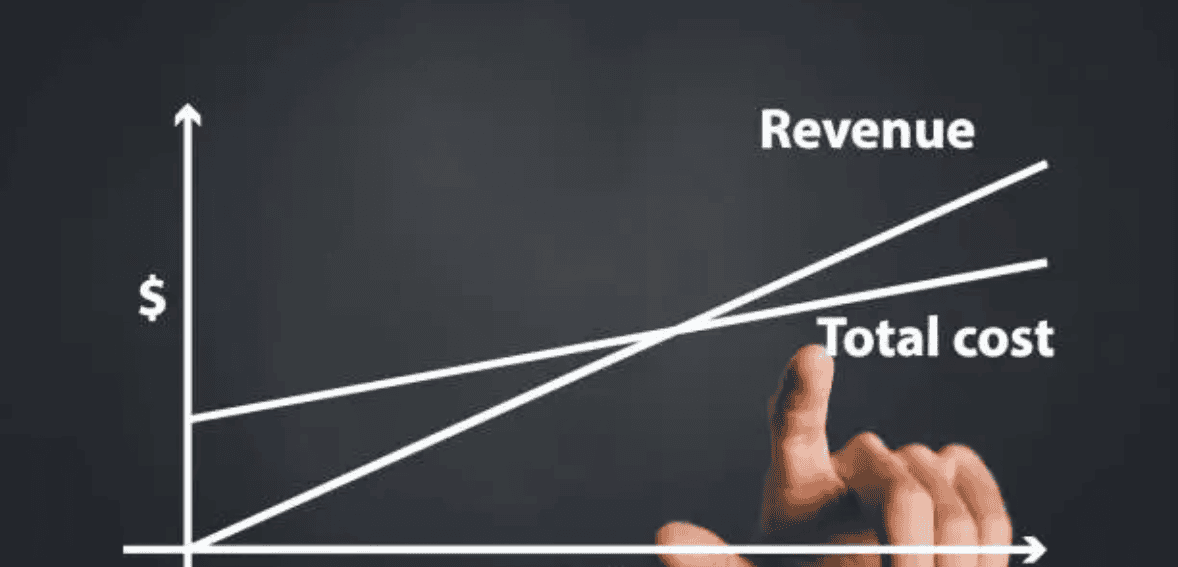
In terms of the Pay-Per-Class vs Unlimited Pricing analysis, the former class of members has always been outspending the latter one by around six months to a year. In this case, even though per-visit charges for the clients who pay per class are higher, the number of visits is lower for them.
Unlimited memberships attract long-term engagement, which results in total revenue increasing without the corresponding rise in the costs of acquiring new clients. This is the reason why such memberships are more advantageous to studios with stable demand.
Member Lifetime Value
Member lifetime value is a crucial performance indicator for the studio’s profitability. Under the pay-per-class pricing model, members sometimes undergo silent churn by means of infrequent attendance. On the other hand, unlimited pricing establishes a transparent renewal cycle, which allows the studios to take the initiative and re-engage the members.
Studios, while perfecting their boutique studio pricing model, often conclude that unlimited plans offer lifetime value that is two or even three times greater than that of single-class purchases.
Impact on Retention and Engagement
Retention Patterns in Pay-Per-Class Models
Pricing of pay-per-class does not naturally hold back retention. Customers might just stop coming without going through the cancellation process, thus making it hard to spot leavers. This type of churn is not loud, and it begins to weaken the community and give up on the growth that was planned and relied on.
Pay-Per-Class vs. Unlimited Pricing is a tussle where pay-per-class always takes the role of an entry point and thus is the least important of all the techniques to keep customers.
Retention Strength of Unlimited Memberships
Unlimited memberships are an excellent source of accountability. Members tend to feel they belong in the community and thus are willing to come back even after a brief absence. Studios can spot the at-risk members early and include them via the outreach that is specific to them.
An expensive but worth-every-penny boutique studio pricing model that is based on unlimited memberships generally brings about a higher retention rate and a better community bond in the long run.
Operating Expenses and Profit Margins

Pay-Per-Class Pricing Cost Structure
Although pay-per-class pricing can be regarded as a risk-free option, it leads to an increase in marketing costs. The studios would have to keep on luring new clients in regularly to take the place of the inactive ones. The use of instructors becomes less predictable, which may eventually lead to a negative impact on the profit margins.
In the comparison of pay-per-class to unlimited pricing, this model usually results in higher acquisition costs per dollar earned.
Margin Enhancement with Unlimited Pricing
With unlimited pricing, fixed costs are allocated over a member base that is not too different from the previous one. Revenue rises while rental, software, and staffing costs are unchanged. This arrangement gradually keeps improving margins.
A refined boutique studio pricing model is mostly used by studios that combine unlimited plans with controlled class capacity in such a way that they do not lose the profitability gained.
Scalability and Long-Term Growth

Difficulties With Scaling Using Pay-Per-Class Pricing
It is very challenging to scale a pay-per-class model. Increasing class prices or attendance volume are the two main sources of revenue growth. Both of these factors have natural limits. Without recurring income, it is very risky to expand.
When comparing pay-per-class to unlimited pricing, studios that depend only on single-class sales usually hit their limit sooner.
The Scaling Pros of Unlimited Memberships
Unlimited memberships are a fantastic way to scale your business quickly. As the number of members increases, the revenue rises at the same rate. Studios can confidently add new classes, instructors, or even locations.
Typically, a boutique studio pricing model that is scalable will be constructed upon the recurring membership revenue.
Hybrid Pricing Models: A Strategic Alternative
Combining Pay-Per-Class and Unlimited Options
Many of the successful studios have a hybrid approach. The pricing of Pay-Per-Class attracts new clients, while the unlimited memberships give revenue in the long term. This strategy provides flexibility and stability at the same time.
Hybrid models in the pay-per-class vs. unlimited pricing discussion often outperform single-structure approaches when managed intentionally.
Using Data to Optimize the Mix
Studios should keep an eye on attendance frequency, conversion rates, and retention. The data shows when the clients of pay-per-class are ready to upgrade. The automated systems make these transitions easy and smooth.
A data-driven boutique studio pricing model ensures that every pricing tier has a clear purpose.
Monitoring of Attendance and Revenue Changes
Today’s studio management software gives you access to the class attendance rate, the behavior of members, and the revenue made. These insights play a major role in the decision-making process when considering pay-per-class or unlimited Pricing.
Using accurate data eliminates making assumptions and allows for making price changes according to performance data from the beginning of the sale.
Membership Management through Automation
With automation, the burden of administrative tasks is reduced, and the experience of members is enhanced for every boutique studio. Recurring billing, waitlists, and usage reports will help studios remain profitable under all pricing models.
A technology-supported model for pricing boutique studios allows the owners to direct their attention to growth rather than being occupied with manual tracking.
Which Pricing Model Makes More Money?
The Short Answer
In most established boutique studios, unlimited pricing generates more consistent and higher long-term revenue. It supports retention, improves cash flow, and scales efficiently. In the Pay-Per-Class vs. Unlimited Pricing comparison, unlimited memberships usually outperform over time.
When Pay-Per-Class Still Makes Sense
Pay-per-class pricing works best for:
- New studios testing demand
- Highly specialized or infrequent services
- Entry-level offers designed to convert to memberships
Used strategically, it complements rather than replaces unlimited pricing.
Conclusion
It is not only a pricing matter that one has to decide between Pay-Per-Class and Unlimited Pricing. It is a business strategy that impacts the fixed income, member conduct, and the potential to grow. Studios that are aiming at long-term profitability are the ones that gain from income that is predictable, stronger retention, and scalability of the systems they use.
A pricing structure that is properly designed is in tune with the class capacity, audience behavior, and operational goals. If the pricing policy is in favor of consistency and commitment, the revenue will follow as a matter of course.
FAQ
Is the pay-per-class pricing model disadvantageous to boutique studios?
Not at all, but it is preferable as an additional alternative. By itself, it would have less impact on customer retention and consistent revenue when compared to unlimited membership plans.
Do unlimited memberships cause classes to be overcrowded?
Yes, they can if the studio does not control the number of participants. Efficient scheduling, waitlists, and rules regarding attendance help to avoid overcrowding.
Can studios modify their pricing models in the future?
Absolutely. Numerous studios do so, moving from pay-per-class to unlimited pricing in parallel with growing demand and improving systems.
How frequently should the pricing be checked?
The pricing should be checked every half year to a year, relying on the data of attendance and revenue.
What is the most favored pricing model for the boutique studio?
The most favored pricing model for the boutique studio is the one that combines recurring memberships with flexible entry options and automation.