


All communities having great success, whether it be a fitness studio, professional network, nonprofit organization, or group formed around a hobby, will face the same problem: keeping members active for a long time. The registration process is just the beginning; without continual interaction and significant ties, even the most hopeful communities have to fight hard to keep their members. Research shows that almost 65% of newly joined members lose their interest in the community within the first three weeks if they are not acknowledged or supported.
The Rule of Seven is a big help in dealing with this matter. This concept indicates that a person should receive a message, interaction, or connection over and over again—normally seven times—before he/she can feel comfortable in taking action or making a commitment. When the principle is put to community building, it becomes a blueprint for planned, repeated touchpoints that not only make relationships stronger but also increase participation and keep members as high as 95%. The building of membership starts from personalized onboarding and goes through the interactive content and peer recognition until the casual participants are finally converted into committed and long-lasting community members.
Picture a local fitness studio that puts a lot of money into advertising to draw in clientele. Though there have been many new clients, 40% of them drop out after a month. The question is, what happened? The response is very clear; the studio did not use systematic engagement strategies, which would have made the members feel attached and important. By applying the Rule of Seven, it is possible for even tiny communities to have extraordinary retention rates through the provision of numerous contact points that guarantee every member feels noticed, supported, and encouraged to stay.
The Importance of Member Retention
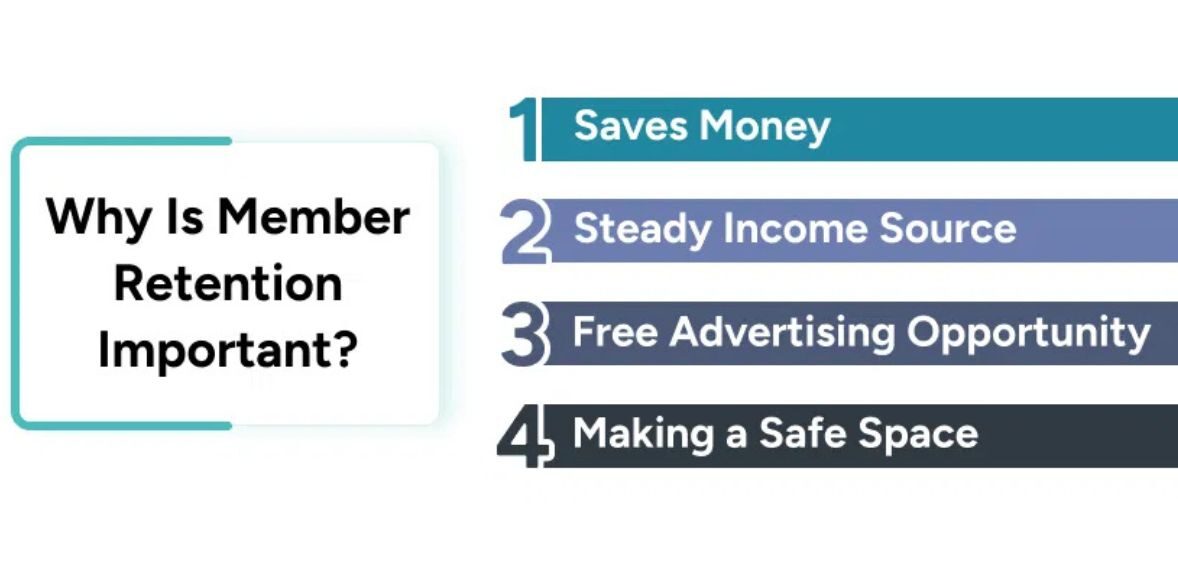 Retention is not merely a statistic; it is the very essence of a community that flourishes. Even though drawing in new members is important, the management of their involvement guarantees the growth and success of the community in the long run. If communities neglect retention and ignore principles like the rule of seven, they will experience high turnover, inconsistent engagement, and low morale, all of which will hurt their reputation.
High retention rate offers the following key benefits:
- Sustainable growth: Communities do not have to spend a lot of time on recruiting new members and can direct their efforts to the engagement that matters.
- Stronger culture: Long-time members are the source of new ideas; they also mentor others, and they keep the whole atmosphere active and positive.
- Enhanced reputation: Members who are committed become the advocates of the community, and thus, new participants are attracted organically.
- Reliable engagement: Regular participation causes the discussions, events, and projects to be vibrant and active.
The price of low retention is not only measured in terms of money, but it also slows down the community’s development, decreases the number of active members, and makes the community feel weaker. Using Member Retention Strategies like The Rule of Seven, communities can not only keep their existing members active but also make them loyal and develop a growing ecosystem.
Grasping The Rule of Seven in Community Formation

The Rule of Seven is a marketing concept where advertisers found out that a single presentation is not enough for the audience to take action. Seven times engagement is the traditional number for creating familiarity, comforting the audience, and building trust. If this idea is applied to communities, it would mean that members will feel really connected when they decide on their own to be active participants in the community’s life.
Through repeated interactions, loyalty is built.
1. Trust is established through natural means: Repetition is a sign of reliability.
2. Comfort is gradually experienced: Uncertainty is reduced by familiar situations.
3. Emotional involvement is a result of belonging: Members claim their territory.
4. Participation is more active; trust and comfort are the main drivers of contributions.
Mini Case Study: The professional networking community, in the case where only 50% of new members stayed after the first three months. They used a proper sequence of welcome messages, weekly updates, peer introductions, interactive polls, and milestone recognition to increase new members’ retention from 50% to 92% within six months. Each of the touchpoints was a trust reinforcement, a familiarity creator, and an engagement encourager.
The Power of the Seven Rule for Member Retention
 It is a common practice for people to learn through repetition of their actions. The greater the number of times people experience something, the more confident they feel, and the less they doubt. Following up on engagement using the rule of seven helps transform interactions into a regular and predictable habit instead of a rare touchpoint.
1. Repetition Helps Trust Grow
Trust comes with consistency and not with one-off relationships. The members who see constant, positive community engagement gradually and slowly become the community’s dependents and, thus, the community’s trusted resource, which aligns perfectly with the Rule of Seven.
Illustration: A fitness studio delivers weekly updates, sports tips, and motivational messages. The members start trusting the community because of the steady support that is always there behind them.
2. Familiarity Lowers Drop-off Rate
The comfort comes from the knowledge of what to expect. The members who regularly get updates, take part in events, or use resources are not likely to leave the community because consistent touchpoints supported by the rule of seven strengthen their sense of belonging.
Illustration: A professional mentorship program sends guides and prompts for discussions once a month. Members engage more because they feel part of the system and community that has a certain character and allows some behaviors.
3. Participation Leads to Feeling One Belongs
The ongoing communication helps the members to bond with the community more easily. When the rule of seven is applied consistently, they begin to consider themselves as part of it, which makes them get more even more involved.
Illustration: A group that gathers around a common hobby sets up weekly challenges, live question and answer sessions, and peer recognition. Friends are made by the members, which leads to emotional connections and thus retention in the long run.
4. Predictability Guarantees Stability
Conventional methods of communication and engagement make it easy to predict and rely on the communities. Members get the feeling of security, which makes them more likely to go through the whole process with the engagement over a long period.
Research Insight: Social psychologists’ studies show that predictable interactions lead to higher trust levels and engagement (Cialdini, 2021).
Applying the Rule of Seven: Seven Essential Touchpoints

Planning is a key factor in the utilization of the Rule of Seven. Touchpoints mentioned below are very effective ones that are able to make the members feel appreciated and keep engagement alive.
1. Powerful Onboarding Day
The first impression is the one that matters most. With an onboarding process that is clearly structured, there is less room for misunderstanding, and new hires experience a friendly welcome and are made to feel they are in the right place with confidence — a foundation strengthened by the Rule of Seven.
The key factors involved are:
- A personalized welcome message through email
- A guide for community participation through steps
- Benefits and expectations explained
- Community rules and guidelines
- Invitation to connect with other members
Pro Tip: Incorporate a short welcome video or live orientation to make the experience more human and connect with the members more strongly.
Mini Case Study: A coding community sends a “first project checklist” to new members. Their completion leads to early wins, thus providing the new person with momentum and confidence.
2. Personalized and Consistent Communication
The constant communication that occurs every week or every other week is a method that successfully reinforces the engagement.
- Community content:
- Community announcements
- Tips, guides, and tutorials
- Member spotlights
- Motivational or inspirational messages
Pro Tip: By using the members’ names or by referring to past activities, the communications can become much more personal, thus increasing the level of relevance and the connection between the sender and the receiver.
Example: A non-profit organization continues to keep its members engaged and informed by providing personalized updates concerning the availability of volunteer opportunities.
3. Early Wins for Members
The engagement of the members who undergo early success will be bigger in the long run.
Some cases:
- Completing the first challenge or task
- A community milestone achievement
- Acknowledgment of the member’s contributions
Tip: Make early wins public and celebrate them to encourage and stir the engagement of others.
4. Interactive Content that Encourages Participation
The interaction is the bridge that connects and evokes the feeling of being part of the group.
Some examples:
- Polls and surveys
- Weekly challenges
- Live Q&A sessions
- Discussion forums or comment threads
Tip: Let the members tell their way of doing things or share their opinions to incite sharing and collaboration.
5. Peer-to-Peer Connection
If there is an interaction between the members, then the community will thrive.
Means of doing so:
- Interest-based subgroups
- Mentorship or buddy systems
- Peer-led discussions
- Collaborative projects
Example: A writing group associates new members with already experienced ones, creating accountability and engagement for both ends.
6. Consistent Value Delivery
Members won’t lose interest if they are always receiving value that is meaningful and useful to them.
Ways to provide value:
- Educational guides and templates
- Webinars, workshops, or video lessons
- Exclusive insights or industry updates
- Detailed Guided Learning
Tip: Vary formats when creating learning materials to adapt to the audience’s needs and interests.
7. Recognition and Appreciation
Recognition builds emotional bonds and continuous involvement.
Strategies:
- Mark important dates or accomplishments with celebrations
- Make contributions visible to the public
- Deliver handwritten messages of gratitude
Tip: Acknowledge the processes as well as the outcomes, which will consequently engage a larger audience.
Case Study: The online fitness community presents a weekly newsletter to showcase the members’ fitness achievements, resulting in an increase of 50% in the number of regular participants.
Beyond Seven Touchpoints: Continuous Engagement Loops
Seven interactions are just the beginning. Communities need to introduce periodic engagement loops to secure long-term retention, and the Rule of Seven makes this process more structured and consistent.
Suggestions:
- Making the community participate in a challenge every month
- Arranging seasonal events and running themed campaigns simultaneously
- Having yearly rituals or parties
- Connecting people one-on-one
- Conducting small-group discussions or masterminds
Maintaining these loops makes the community alive, strengthens relationships, and offers continuous membership feelings.
The psychology behind the rule of seven.

The Rule of Seven takes advantage of fundamental psychological concepts:
- Repetition eliminates doubt.
- Familiarity creates ease.
- Consistency indicates trustworthiness.
- Peer influence reinforces trust.
Habit creation: Regular interactions help members create their participation routines, so members will no longer have to think about it and just participate.
Social identity theory: This theory claims that members of a group become more committed when they identify themselves as part of the group and, accordingly, take on the group’s identity.
Trust-building: It is a process whereby, through interpersonal contact and positive experiences, the authenticity of the bond not only gets proven but also loyalty is reinforced.
Community marketers who depend primarily on relationship-building rather than on promotions will have a greater customer retention rate. This means that customers will regard themselves as appreciated, important, and emotionally connected when the Rule of Seven is applied consistently.
For instance, a charity organization benefited from using touchpoints, recognition, and personalization in its customer strategy, as it led not only to a significant retention rate increase from 60% to 94% but also to accomplishing this miraculous turnaround in just six months.
In order to determine the impact that the Rule of Seven has, communities must track these vital metrics of engagement.
- The number of people attending events or participating in discussions
- The rates for opening and clicking through communications
- Connections made between peers
- Satisfaction scores from members
- Retention at 3, 6, and 12-month intervals
Through regular analysis, leaders can change, refine, and even increase the touchpoints’ effect on Long-Term Membership growth.
Pro Tips for Community Leaders
- Monitor engagement data closely to detect participation trends.
- Use a good mix of automation and personalization for interactions that can grow.
- Seek feedback continuously to keep the engagement strategies updated.
- Play around with various formats, such as video, live sessions, and polls.
Conclusion
Retention over a long-term period is intentional, not incidental. The Rule of Seven comes to the rescue with its practical and reliable framework for the repeated, meaningful interactions that subsequently give rise to trust, connection, and engagement.
By carefully applying The Rule of Seven through strong onboarding, consistent communication, early wins, interactive content, peer connection, recognition, and so on, the process of transforming casual participants into loyal, long-term members is facilitated. Those communities that lay particular emphasis on relationship-building, emotional investment, and consistent engagement are assured of 95% retention rates, sustainable growth, and a flourishing ecosystem.
Retention is a journey, and The Rule of Seven is the map you need. With journey, intention, and thoughtful implementation in place, it is guaranteed that every member will feel supported, engaged, and motivated to stay on for the long haul, thus driving the long-term growth of membership and relationships based on trust.
Frequently Asked Questions
What is the Rule of Seven in community building for?
It references the seven necessary interactions that will make the members feel connected, trust the community, and join in the activities regularly.
Why is the Rule of Seven significant for retention?
The touchpoints that are repeated will cause, through their very nature of being familiar, comfortable, and trusted, that the community will lose fewer members, who will thus be engaged for a longer period of time.
How can it be used in a brand-new community?
Structured onboarding, regular communications, early wins, interactive content, peer connections, and recognition strategies can all be counted as ways of applying The Rule of Seven to the new community.
What are the touchpoints?
Every case of Messages, updates, tutorials, events, peer interactions, and recognition posts is included in this category.
How does it assist in reaching 95% retention?
Frequent engagement results in the formation of the habit, trust getting reinforced, and the sense of belonging being created, thus making the high retention rate possible.