


In the boutique fitness world, attendance is the clearest indicator of long-term membership health. When someone stops showing up, you can almost feel the momentum slip away. It starts slowly, one missed class, then another and before the studio even realizes it, the member is mentally checked out. Most cancellations don’t happen randomly; they build quietly during a short window of disengagement.
This is where studios lose thousands every year. The moment a member stops attending, especially for 2–3 consecutive visits, the likelihood of quitting rises dramatically. That’s why understanding how to reduce gym member cancellations after no shows isn’t just a retention tactic, it’s a survival strategy for boutique studios competing in a crowded market.
Research across multiple fitness platforms shows the same trend: the first 72 hours after a no-show are the most critical. During this window, members are still mentally connected to their routine. Their absence is recent; their intentions remain aligned with staying active; and their motivation although shaken is retrievable. After three days, disengagement becomes emotional distance, and distance becomes cancellation.
The Psychology Behind No-Shows and Cancellation Patterns

Boutique fitness studios often assume no-shows are due to members being busy, injured, or unmotivated. While those factors play a part, the deeper issue is behavioral. No-shows follow predictable psychological patterns that, when understood, make it easier to design systems that reverse disengagement.
The Emotional Dip
Members rarely skip because they no longer care about their goals. More often, they feel discouraged:
- They had a bad workout the last time
- They missed the progress they hoped to see
- Life disrupted their routine
- They feel embarrassed about returning after a gap
- They fear being judged for losing momentum
No-shows are often the first outward sign of an internal struggle.
The “Break in Identity” Moment
People who attend regularly see themselves as “someone who works out.”
Skipping creates mental friction:
- “I’ll go tomorrow.”
- “I’m too stressed today.”
- “I’m behind, and it feels uncomfortable.”
This emotional gap grows quickly.
The Sliding Effect
After two to three consecutive no-shows, behavioral data shows:
- Members feel guilt → guilt becomes avoidance
- Avoidance → rationalization (“I don’t use it enough”)
- Rationalization → cancellation
Learning how to reduce gym member cancellations after no-shows means intercepting the slide early, before the story they tell themselves becomes permanent.
Why 72 Hours?
Behavioral science points to this timeframe for several reasons:
- Habits weaken dramatically after 48–72 hours of a break
- Motivation drops if the routine isn’t reinforced
- Emotional discomfort increases with each skipped day
- The longer the silence, the harder re-engagement becomes
If your studio doesn’t reach out during this window, you risk losing that member, not because they want to leave, but because the gap feels increasingly difficult to close.
Building Your 72-Hour Re-Engagement System
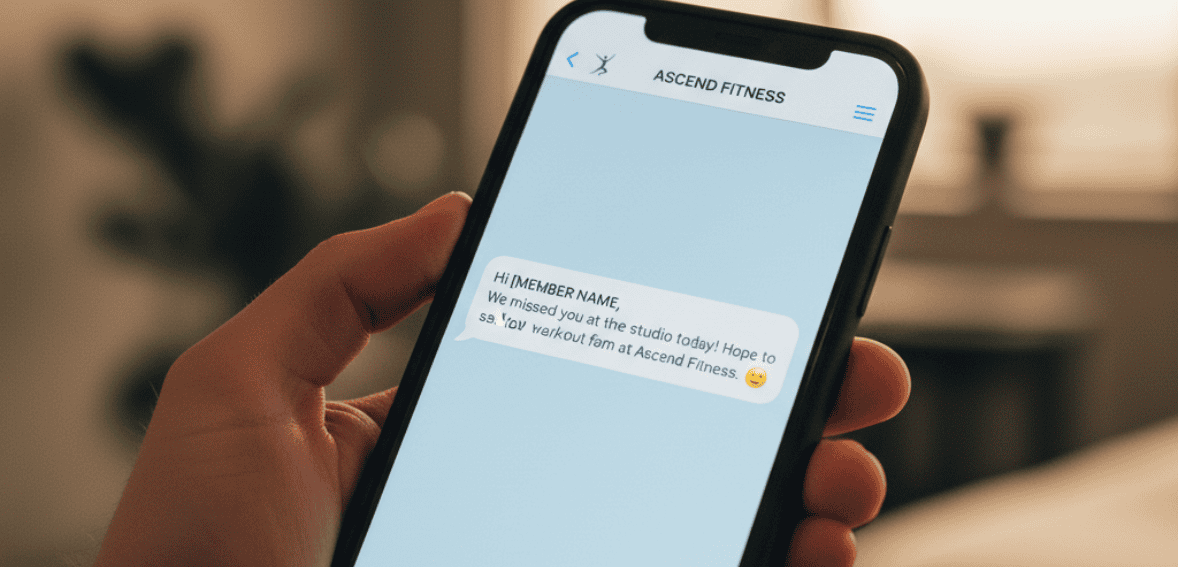
A re-engagement system isn’t a single message; it’s a structured sequence designed around human behavior. The goal is not to pressure the member but to reconnect them to their routine before the drop becomes permanent.
Here’s how a strong 72-hour system works in practice.
Hour 0–12: Gentle Acknowledgment (Text Message)
Keep it simple and warm. This is not sales, it’s a connection.
This message works because:
- It shows care without judgment
- It opens a dialogue
- It reduces the emotional gap
This early touchpoint is one of the most significant factors in reducing gym member cancellations after no-shows.
Hour 12–36: Supportive Email With Options
People ignore texts if they’re anxious. Email allows more space and offers solutions.
Tone should be supportive, not corrective:
- Suggest alternative classes
- Offer help adjusting schedules
- Provide easy reschedule links
- Remind them of personal goals, not attendance stats
A strong re-engagement email reframes fitness as something they deserve, not something they failed to show up for.
Hour 36–72: Personal Outreach (Coach or Front-Desk Call)
This is where the “human touch” matters. A short, sincere call works better than any automated message. Why? Because humans respond to humans.
Sample structure:
- “We just wanted to check in.”
- “How are you feeling?”
- “We noticed you haven’t been able to make it this week.”
- “What’s changed in your schedule?”
- “Let’s find a time that works for you.”
The purpose is care, not pressure.
When studios understand this distinction, they quickly learn how to reduce gym member cancellations due to no-shows by simply changing the tone.
Automation vs. Personal Touch: Finding the Right Balance
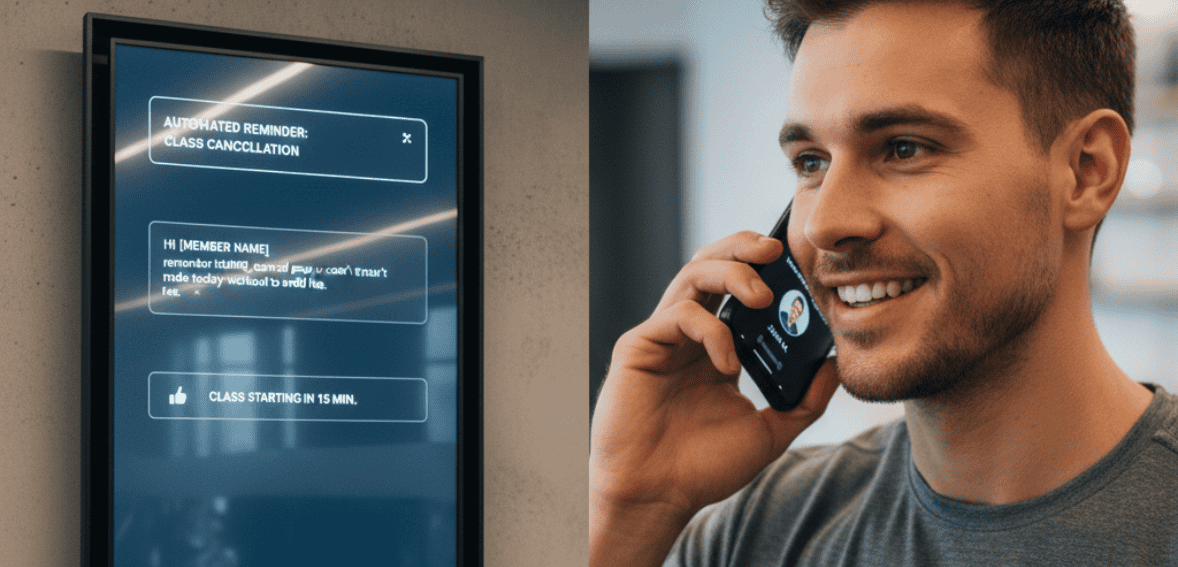
Automation is essential for consistent follow-up, but it cannot replace human connection. Members know when a message is automated versus when someone took time to reach out. The most innovative studios use automation to assist but rely on people to rebuild emotional trust.
When Automation Works
- Sending the first “missed you!” message
- Email reminders
- Rescheduling links
- Detecting patterns (like two consecutive no-shows)
- Tagging at-risk members
Automation ensures no member slips through the cracks.
When Human Contact Works Better
- Calling during the 36–72 hour window
- Helping with personal scheduling challenges
- Noticing emotional cues (burnout, insecurity, overwhelm)
- Reconnecting them with instructors or coaches
You cannot automate empathy. And when a member feels seen, they are far less likely to quit. Studios wanting to master how to reduce gym member cancellations after no shows must balance both: Automation creates consistency, humans create loyalty.
Using Attendance Tracking Data to Identify At-Risk Members
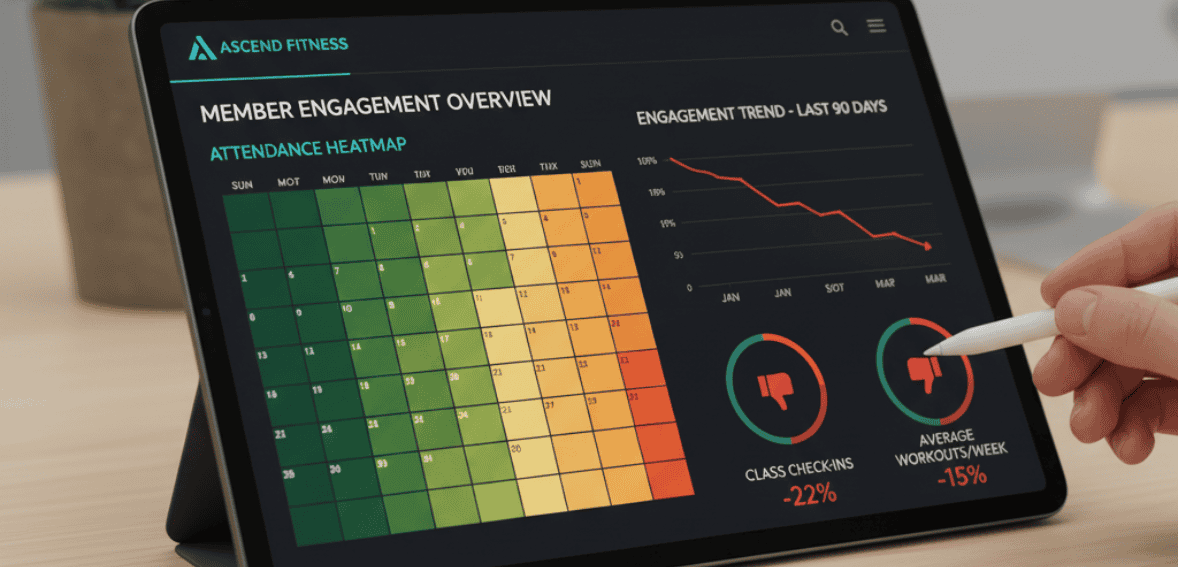
Not all no-shows are equal. Some members miss one class because of travel or illness, while others miss two and are on the edge of quitting.
Boutique fitness attendance data reveals:
- Regular members missing two classes in a row → early risk
- New members missing 1 class in first 10 days → high risk
- Members with declining history over 3 weeks → chronic risk
- Members skipping their favorite instructor → emotional disconnect
Tracking these patterns is essential for reducing gym member cancellations after no-shows, as it allows studios to intervene before the gap widens.
Attendance tracking doesn’t just tell you who isn’t coming; it tells you where they’re drifting emotionally.
Emotional First, Logistical Second: What Actually Brings Members Back

People don’t return because the class schedule is convenient. They return because the studio:
- Noticed them
- Cared enough to reach out
- Understood their struggle
- Made the return feel possible
Many studios respond to no-shows with scheduling tips or discount offers. But the barrier is usually emotional, not logistical.
Members need a feeling of belonging before they need a time slot. This is the emotional foundation for reducing gym member cancellations after no-shows.
The Studio Environment Matters More Than Most Owners Think

When a member disappears for a few days, it’s easy to assume the issue lives entirely outside the studio work, stress, family, schedule, motivation. But the studio’s internal environment plays a massive role in whether someone feels pulled back or pushed further away.
Small, emotional cues decide whether a member thinks, “I need to go back,” or “Maybe this place isn’t for me anymore.”
This is why the physical and social atmosphere of a boutique fitness space is directly connected to how to reduce gym member cancellations due to no-shows.
Warm Studio Culture Helps Re-Engagement
Members return when they feel:
- Noticed
- Welcomed
- Remembered
- Connected
If someone walks in after missing a week and no one acknowledges their return, the emotional barrier grows. On the other hand, when a coach says, “Hey, we missed you glad you’re back,” it instantly reinforces a sense of belonging. Belonging is stronger than motivation. And belonging is the antidote to cancellations.
Instructor Influence Is Huge
A member might like the studio, but they stay because of the instructors.
No-shows often appear when:
- Their favorite instructor changes schedule
- They feel unnoticed in class
- Instruction becomes routine instead of engaging
- They stop feeling progress or personal connection
Studios that underestimate instructors’ influence miss a significant lever for retention. When instructors know names, track progress, and celebrate improvements, members don’t slip away quietly.
This is why your re-engagement system can’t work on its own—your internal culture must align with it.
Creating a Consistent, Predictable Follow-Up System

A re-engagement process isn’t something you build once and hope it works forever. It must be something everyone on your team understands, follows, and can execute without hesitation.
Consistency is what makes a 72-hour system successful.
Build Internal Roles, Not Just Messages
Ask yourself:
- Who sends the first text?
- Who sends the follow-up email?
- Who makes the personal call?
- Who checks attendance alerts?
- Who adjusts the member’s schedule if needed?
- Who logs re-engagement attempts?
When no one has a clear responsibility, no-show follow-up becomes optional and optional follow-up leads to cancellations.
Studios that truly understand how to reduce gym member cancellations after no-shows treat retention as a structured part of operations, not a set of emergency actions.
Maintain a Single Place for Tracking Attempts
Whether you use spreadsheets, booking software, or a CRM, the system should track:
- The no-show date
- The stage of follow-up
- Who contacted them
- Their response
- Whether they returned
- Notes about barriers they mentioned
Patterns will appear over time on certain days of the week where no-shows increase, particular class types where members tend to drop off, or common reasons people drift.
Retention becomes much easier when you’re dealing with patterns instead of surprises.
Consistency Creates Trust
Members return when they trust the studio’s rhythm:
- Consistent check-ins
- Predictable communication
- Supportive tone
- Routine follow-up
- Stable class experience
Trust is retention. Retention is revenue. The relationship is direct.
When Discounts Work and When They Backfire
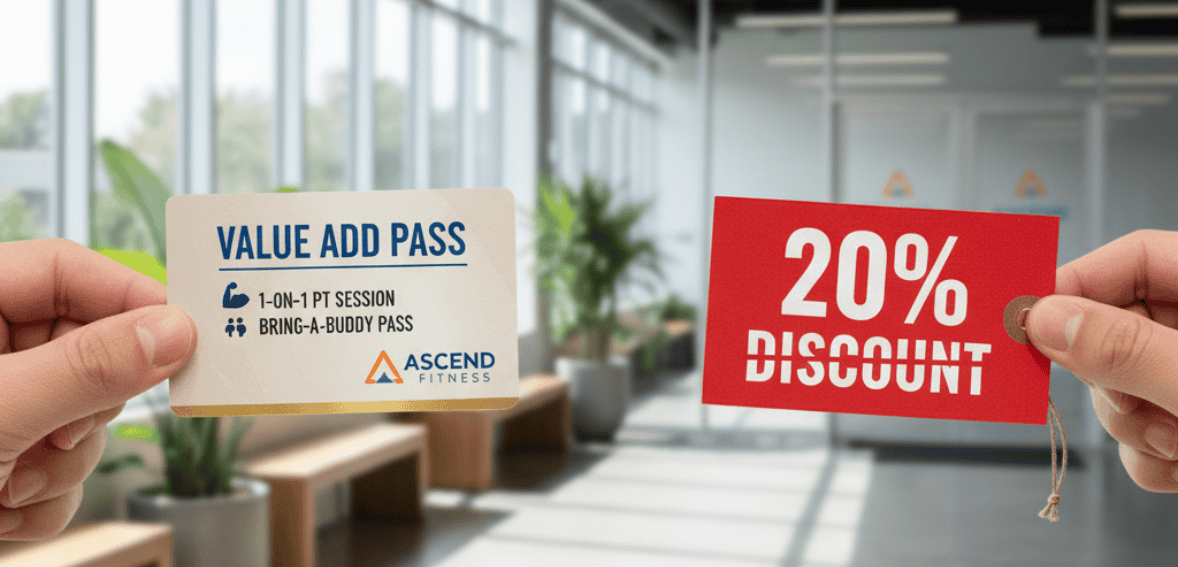
One of the biggest mistakes studios make is offering discounts the moment someone stops showing up.
Discounts can help, but they can also unintentionally:
- Devalue your service
- Set the expectation that skipping leads to deals
- Create dependence on incentives
- Condition members to wait for offers
Most fitness businesses don’t need to discount; they need to re-engage more intelligently.
When Discounts Make Sense
There are situations where a limited incentive helps pull someone back:
- If the member is overwhelmed financially
- If they’ve expressed that cost is a barrier
- if they’re transitioning between jobs or life changes
- If they need a nudge to recommit
In these cases, alternatives to discounts often work better:
- A free personal training session
- A guest pass for a friend
- A class credit for a missed week
- A session review or goal check-in
Incentives that add value are more potent than price reductions.
When Discounts Are the Wrong Move
If someone hasn’t shown up in two weeks because of:
- Stress
- Burnout
- Self-doubt
- Inconsistency
- Life chaos
- Emotional friction
Then discounts won’t fix the real issue.
This is why studios seeking genuine solutions to reduce gym member cancellations after no-shows must understand the emotional reasoning behind disengagement before offering financial solutions.
How Studio Software Supports Retention Without Replacing Human Connection
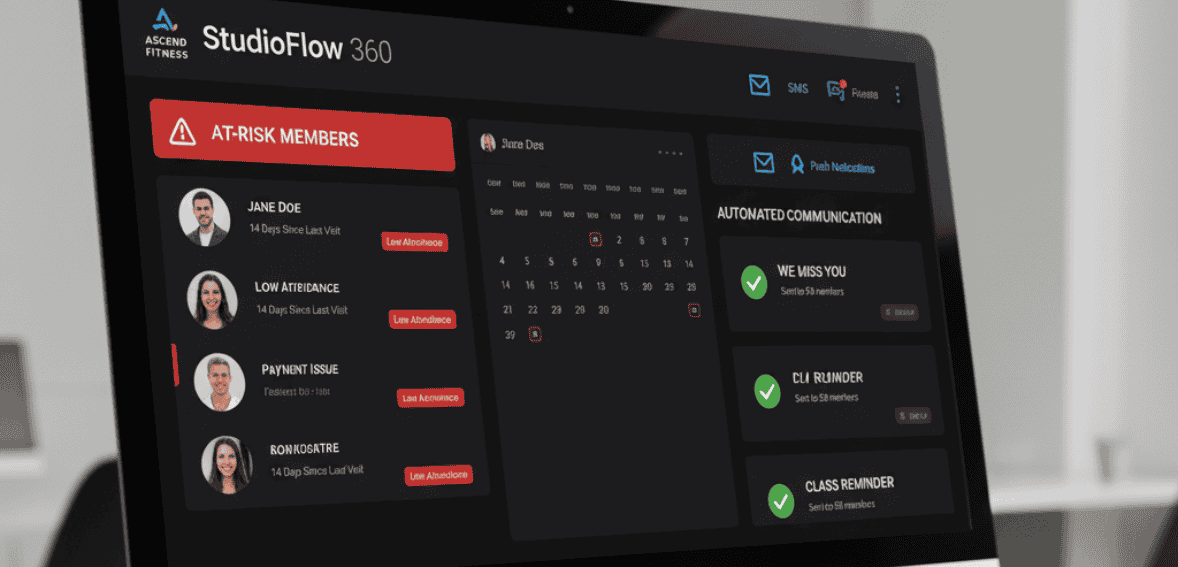
Modern boutique studios rely heavily on attendance-tracking and retention-focused software because it can catch early warning signs faster than humans can.
The right features make the 72-hour system smoother, not robotic.
Useful Software Features for Retention
- Real-time attendance monitoring
- Automatic alerts when members miss classes
- At-risk tagging
- Automated first-touch messages
- Member notes and communication logs
- Schedule flexibility tools (easy rescheduling)
- Goal tracking or progress tracking features
These tools help your team act early—before the member becomes unreachable.
Software Is a Safety Net, Not a Replacement
Technology:
- Identifies
- Alerts
- Organizes
- Tracks
- Automates the basics
But only people can actually pull a disengaged member back into the community.
Studios that excel at reducing gym member cancellations after no-shows treat software like a support structure and coaches like the heart of retention.
What Real-World Results Look Like When 72-Hour Systems Are Used

When studios commit to a re-engagement system, patterns begin to shift within weeks.
Studios typically see:
- Faster responses from no-show members
- A drop in silent cancellations
- Higher re-book rates after outreach
- Stronger relationships between coaches and clients
- Reduced anxiety among new members
- Fewer people “ghosting” the studio
- Improved class consistency
- A spike in 30-day return rates
Industry data from retention-focused case studies shows that a structured 72-hour strategy can re-engage 30–50% of at-risk members, which is significantly higher than trying to win them back after they’ve already canceled.
Elements like tone, timing, and personalization matter more than the complexity of your system. Members want to feel like they matter, not like they’re being chased for revenue.
When it comes to improving operational efficiency and member satisfaction, having the right management tools by your side matters. In the past few years, software-as-a-service (SaaS) technology has become the torchbearer to gym and fitness studio management systems – offering immense capabilities at lower costs and without self-hosting headaches.
Conclusion
No-shows aren’t a scheduling issue; they’re a psychological and emotional signal. When a member stops attending classes, they’re not deciding to quit; they’re slowly drifting. Your studio’s response over the next 72 hours determines whether that drift becomes distance or reconnection.
Understanding how to reduce gym member cancellations after no shows requires more than automated reminders. It requires human presence, emotional awareness, timely communication, and a studio environment that members want to return to even when life pulls them away.
When a studio blends data, routine follow-up, instructor involvement, and a supportive culture, the 72-hour window becomes one of the most powerful retention tools in the business. Members don’t leave because they no longer care about their goals; they leave because they don’t feel connected. A well-built re-engagement system rebuilds that connection exactly when they need it most.
Schedules change, cards fail, members churn, staff are buried in admin, and data lives in too many places. That’s exactly where membership management software earns its keep. Implemented well, it becomes an operational backbone that saves hours of staff time every week while plugging the revenue leaks you can’t see until they’re gone.
FAQs
How many missed classes indicate a member is at risk of canceling?
Most boutique studios see the risk spike after 2–3 consecutive no-shows, especially among regular attendees. For new members, even one missed class in the first 10–14 days is a concern. Tracking attendance early helps studios identify warning signs long before members consider canceling.
What should I say in a re-engagement message without sounding pushy?
Use empathetic, human language. Focus on care and curiosity rather than pressure.
Example:
“Hey, we didn’t see you in class this week. Is everything okay?”
Avoid phrases like “Why aren’t you coming?” and instead ask, “What’s changed in your schedule?” The goal is to understand, not guilt-trip.
Should I offer discounts to members who stop attending?
Discounts can help in some cases, but they should never be your first response. Overusing them lowers the perceived value of your studio. Instead, offer high-value alternatives such as a free PT session, a progress review, a buddy pass, or help finding classes that better fit their schedule.
How can studio management software help prevent cancellations?
Sound systems track attendance, flag at-risk members, automate the first follow-up message, and store communication history. They help staff stay consistent and respond quickly, which is essential in the 72-hour timeframe.
What’s the typical success rate of a structured re-engagement system?
Industry data shows re-engagement rates of 30–50% when studios use consistent, empathetic follow-up. This is significantly more effective than trying to win members back after they’ve already canceled, which often results in only 5–10% recovery.